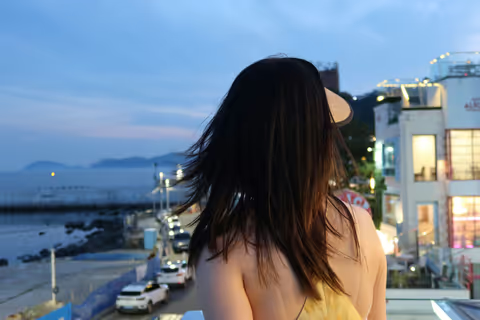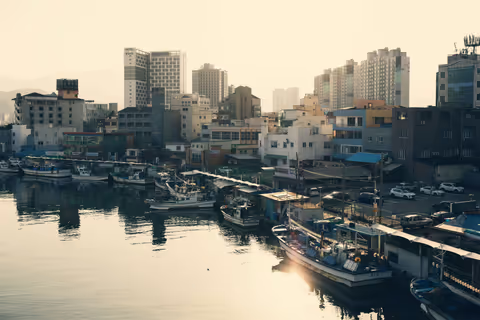

Laying out the initial route across Busan, the primary concern seemed to be clearing Gimhae Airport. Reality quickly proved otherwise. The light rail sweeps quietly from the arrivals terminal toward the city center for ₩1,600 ($1.15); the urban subway grid looks impeccably organized, and navigating downtown feels almost effortless for a day or two. The structural illusion shatters the moment you pin Haedong Yonggungsa sacred temple built directly onto the jagged coastal rocks of the northeast, only to realize the rapid transit line terminates miles short of the shore.
That sudden gap on the map changes the logistical math entirely. Busan is a sweeping, multi-centered metropolis divided by steep mountain ridges and expansive coastlines, where relying solely on public transit for outlying landmarks means spending hours transferring between local buses, climbing steep neighborhood access roads, and losing precious daylight.
A dedicated vehicle becomes essential under specific conditions:
- The Full Coastal Loop: Connecting Haedong Yonggungsa Temple, Haeundae Beach, Songdo, and Gamcheon Culture Village in one continuous run without enduring four separate bus transfers.
- Regional Excursions: Striking out beyond city limits to the ancient royal tombs and heritage sites of Gyeongju without juggling regional train timetables.
- Complex Mobility & Arrivals: Navigating airport or train terminal transfers when managing heavy luggage, family groups, or late-night arrivals.
For straightforward downtown sightseeing along the main transit lines, short local taxi rides handle the distance efficiently. The secret lies in designing an itinerary that switches fluidly between public transit for central spots and dedicated transport along the rugged shore.
Exploring tailored private drivers in Busan allows you to lock in set group rates, confirm vehicle sizes, and skip the physical fatigue of constant transfers.
This perspective naturally leads right to the arrivals curb, where testing the airport's transit options reveals how the city first greets incoming travelers.
Gimhae to the City: Light Rail, Airport Bus, and Metered Taxi Reality
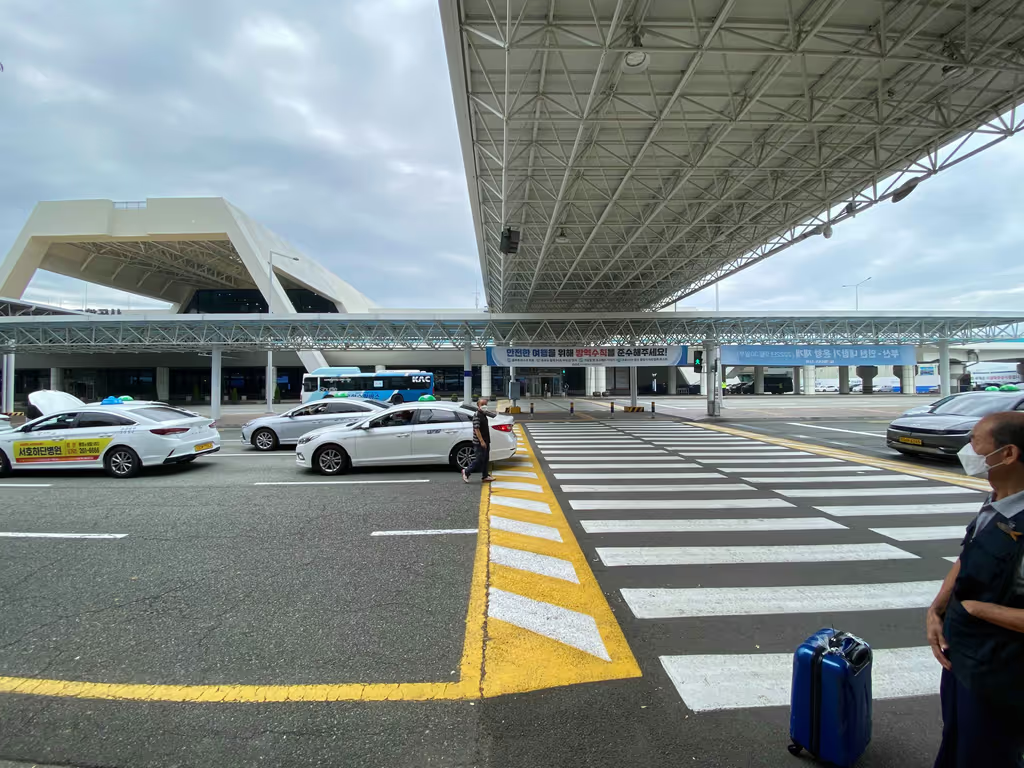
Stepping out of Gimhae International Airport, the infrastructure surrounding Busan immediately shows its strength. The airport sits roughly 15 kilometers (9 miles) west of Busan Station, and navigating into the urban core presents three distinct paths. The most economical route combines the Busan-Gimhae Light Rail with the main subway network for ₩1,600 ($1.15). Direct airport limousine buses cost between ₩7,500 and ₩9,500 ($5.35 to $6.80), dropping passengers directly at major commercial hubs like Seomyeon and Haeundae. Outside terminal arrivals, metered taxis start at a ₩4,800 base fare ($3.40) for the initial 2 kilometers, with typical metered runs reaching ₩22,000 ($15.70) to Busan Station or roughly ₩35,000 ($25.00) to Haeundae.
- Light Rail & Subway Connection: ₩1,600 ($1.15) - Best for solo travelers carrying minimal luggage heading directly to central subway stations.
- Limousine Airport Bus: ₩7,500–₩9,500 ($5.35–$6.80) - Best for direct hotel access in Haeundae without subway transfers.
- Metered Street Taxi: ₩22,000–₩35,000 ($15.70–$25.00) - Best for small groups traveling during standard daytime hours with moderate luggage.
These baseline fares shift depending on real-time traffic, urban toll roads, and arrival timing. Two critical schedule constraints define night arrivals:
- Night Surcharges: Standard metered fares increase by 20% to 40% between 11:00 PM and 4:00 AM.
- Bus Service Limits: Airport limousine buses cease operation shortly after 9:00 PM.
Landing past 11:00 PM transforms arrival logistics. Public transit halts, leaving late-night arrivals dependent on taxi queues where language barriers, late-night tariffs, and luggage space quickly become immediate hurdles. For families managing heavy bags or anyone navigating an unfamiliar city after a long flight, arranging a designated airport transfer in Busan eliminates arrival confusion, guarantees clear flat-rate pricing, and ensures a personal driver waits at the terminal gate regardless of flight delays.
Understanding airport arrival routes naturally raises broader questions about navigating everyday street transport across the city, particularly when recent local headlines reveal how street hail fares can occasionally go wrong.
Street Hail Realities: Meters, Apps, and Understanding Local Taxi Norms
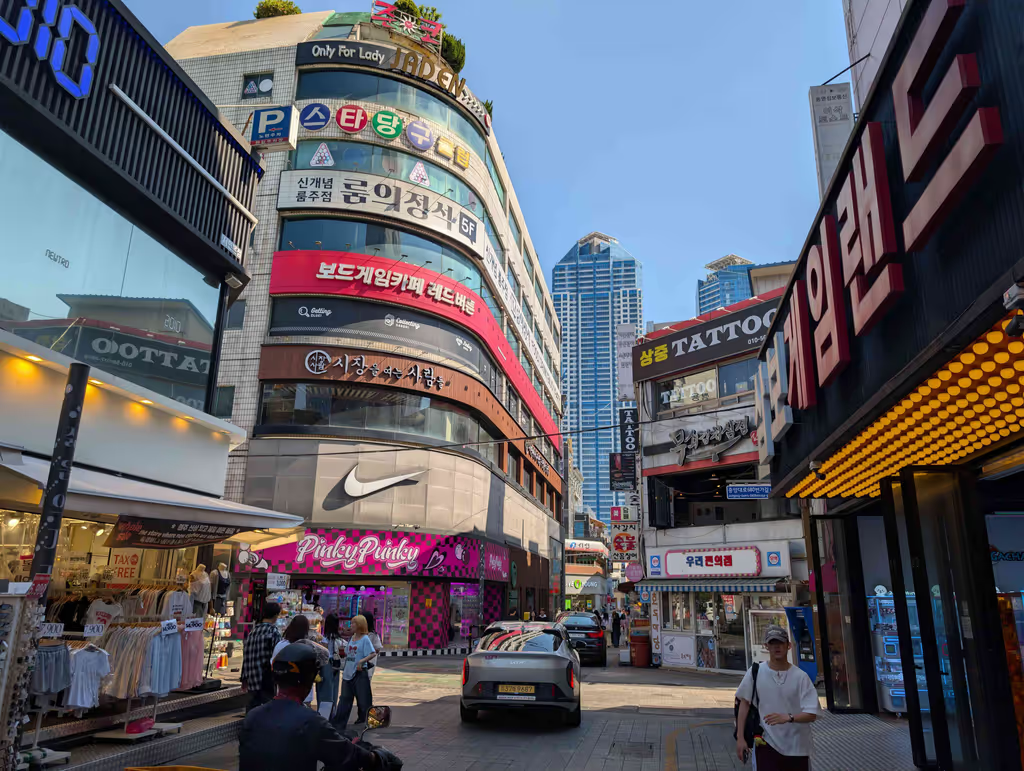
Investigating urban mobility along the coast reveals specific nuances in how local street taxis operate. Reports surfaced regarding an international visitor traveling between Haeundae and Gwangalli beaches, a standard 15-minute coastal drive, who was billed ₩80,000 ($57.00) instead of the customary ₩10,000 to ₩15,000 ($7.15 to $10.70) range. Investigations indicated the driver manually keyed the fare into the payment terminal rather than relying on the taximeter output, a situation the driver later attributed to an accidental additional zero.
While extreme payment discrepancies represent isolated incidents, Municipal Tourism Inconvenience Center data indicates transport fare disputes account for nearly thirty percent of foreign visitor inquiries in the region. Local authorities actively monitor key transport hubs, including Busan Port and Busan Station, to curb passenger refusals and unmetered fixed-price quotes.
Digital ride-hailing platforms present their own operational quirks:
- App Language Barriers: Standard local hailing applications frequently require a local Korean mobile number and local credit card processing.
- Foreign User Apps: Specialized international versions like k.ride accept foreign credit cards, yet occasional payment processing timeouts still occur during peak evening hours.
- Receipt Verification: Paper receipts or in-app payment records remain necessary for verifying distance calculations or filing official inquiries.
Safeguarding street hailing experiences involves four core practices:
- Meter Verification: Ensure the physical taximeter activates immediately upon stepping into the vehicle.
- Estimate Cross-Checking: Compare the final digital transaction against initial ride estimates before exiting.
- Receipt Preservation: Retain paper receipts or digital ride summaries for payment confirmation.
- Official Support Channels: Utilize local Tourism Inconvenience Helpline resources when fare errors arise.
Busan remains an exceptionally safe, world-class city. Navigating variable street fares simply underscores the value of price predictability. Securing an upfront private car tour in Busan establishes transparent, group-based flat rates long before stepping into the vehicle, eliminating payment negotiations entirely.
Recognizing how fixed-rate transport removes financial surprises sets the stage for examining where public subway transit officially hits its geographical boundary along the shore.
Where Busan's Subway Stops: Yonggungsa, Gamcheon, and Gyeongju Without Your Own Wheels
Busan’s subway network is exceptionally clean, efficient, and user-friendly. Yet, it remains fundamentally an urban city grid, while the very landmarks that define Busan’s identity are scattered along jagged coastal ridges and deep into surrounding hillsides.
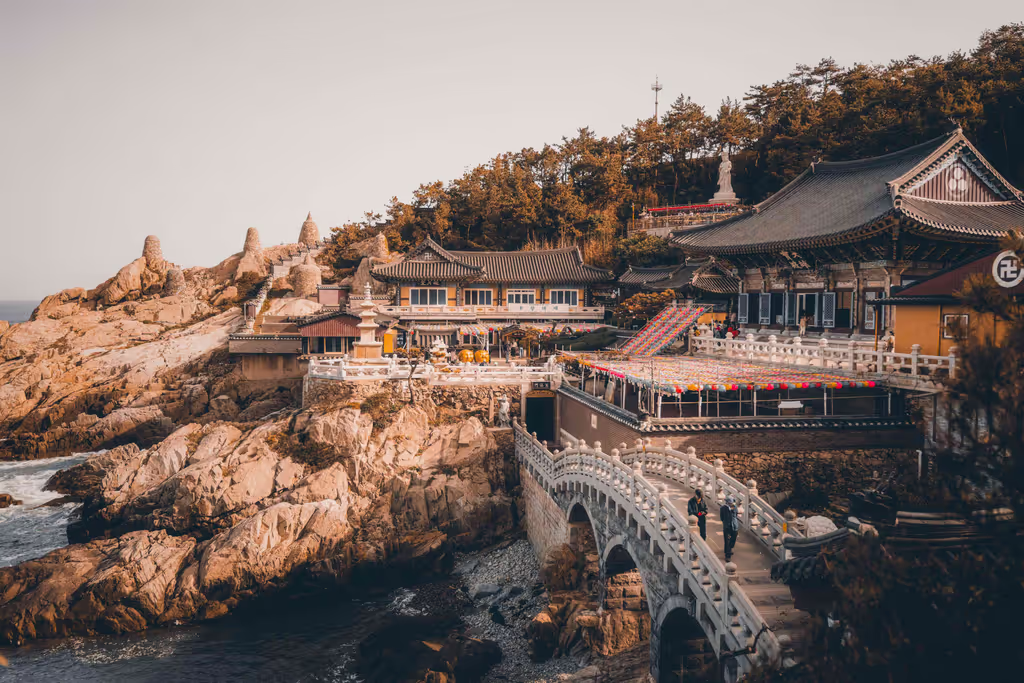
Haedong Yonggungsa Temple showcases this geographic disconnect clearly. First established in 1376, it stands directly on the cliffside above the breaking waves, a striking departure from Korea’s traditionally mountain-bound sanctuaries. Reaching this site via transit requires taking Line 2 to Haeundae or Jangsan Station, transferring to a local feeder bus, or taking the Donghae Line to Osiria Station followed by an additional bus leg. Every public route finishes with a 15-minute uphill trek along exposed coastal roads. While manageable for an energetic traveler, it consumes an entire morning in multi-leg transit for a single landmark.
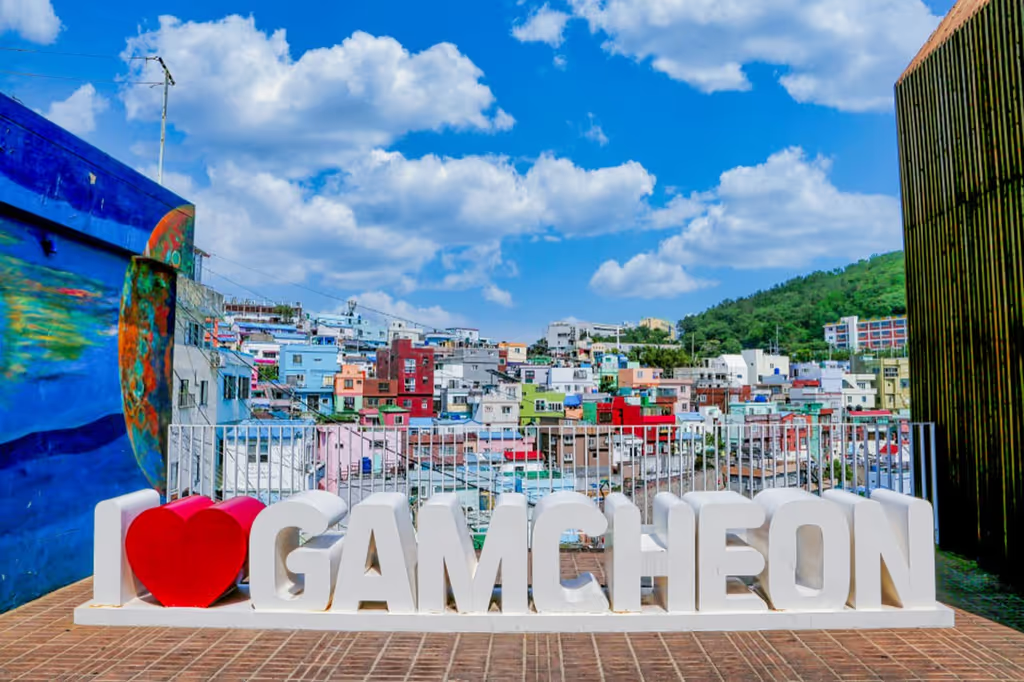
Gamcheon Culture Village presents a distinct topographical obstacle. Originally built by Korean War refugees who constructed tiered homes along steep hillside terraces, its vibrant pastel alleys and hillside murals draw travelers from around the world. However, vehicle access terminates strictly at the village perimeter. Navigating the surrounding steep access roads on foot or waiting for packed local mini-buses adds considerable physical exertion to the afternoon.
Linking these iconic spots across the city highlights the true logistical puzzle:
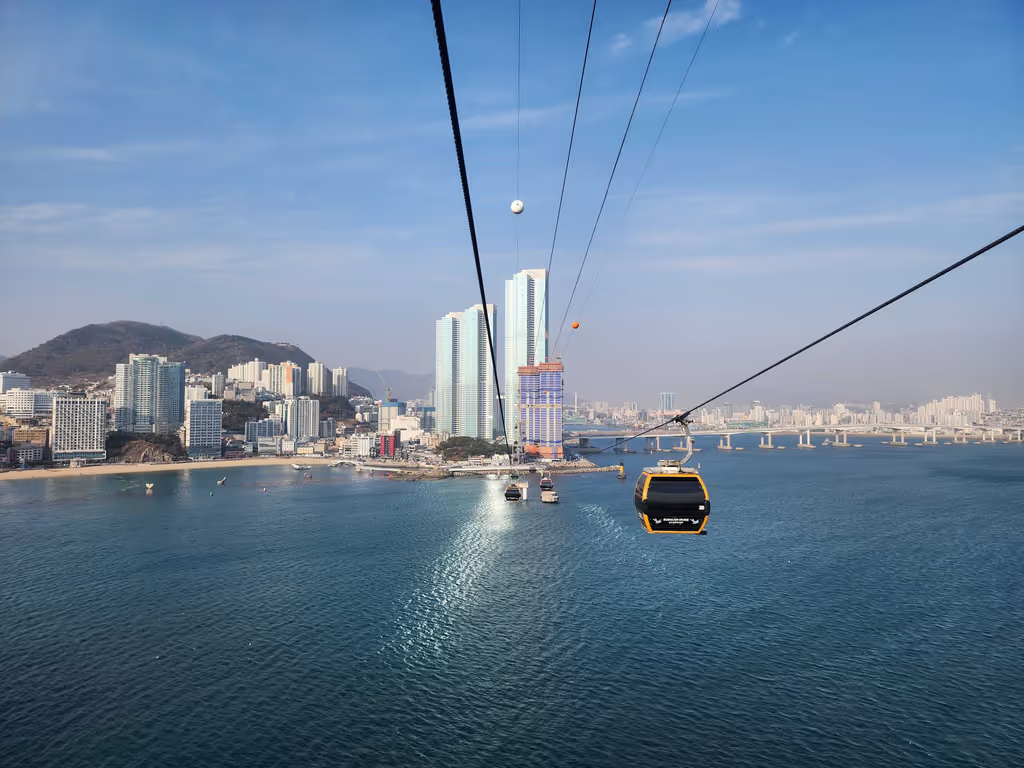
- The Coastal Perimeter: Connecting Haedong Yonggungsa in the northeast, Cheongsapo's Sky Capsule rail, Songdo Marine Cable Car in the southwest, and Gamcheon’s western hillside terraces requires jumping between multiple subway lines, suburban buses, and endless terminal waits.
- Out-of-Town Heritage Excursions: Venturing to Gyeongju, the ancient capital of the Silla Kingdom located 90 minutes north, involves coordinating express KTX trains, local city buses, and regional transfer stations.
Having a dedicated vehicle transforms the fundamental cadence of exploration. Instead of watching transit clocks, an experienced driver maneuvers through coastal highways, manages park-and-drop locations, adjusts stops during sudden rain showers, and maintains a seamless rhythm between destinations.
Coordinating a comprehensive private tour in Busan ensures a dedicated vehicle and local expert await at every vantage point, turning a chaotic multi-transfer itinerary into a relaxed, memorable day.
Evaluating how seamless private transport streamlines these complex coastal connections leads directly to examining the financial reality of how daily transport rates compare in real terms.
Evaluating Daily Rates: Comparing Dedicated Vehicles Against Rail and Metered Transit

Pricing private transportation across Busan requires looking beyond base fare figures. A single transit ticket moves one person from point A to point B, whereas a dedicated vehicle reserves a mobile base, an experienced driver, and complete route flexibility for an entire group. Conversions stay aligned around a standard benchmark of roughly 1,400 KRW to 1 USD.
Understanding the broader financial spectrum starts with baseline public and semi-private options:
- Public Transit Baseline: Airport light rail and subway connections cost ₩1,600 ($1.15) per seat, while regional airport limousine buses run ₩7,500 to ₩9,500 ($5.35 to $6.80).
- Point-to-Point Metered Taxis: Standard airport taxis to KTX Busan Station run roughly ₩22,000 ($15.70), while rides out to Haeundae Beach reach ₩35,000 ($25.00).
- High-Speed Intercity Rail: KTX express trains connecting Seoul to Busan average ₩59,800 ($42.70) per standard class seat for the 2.5-hour journey.
Dedicated vehicle services operate on total group rates rather than individual seat tickets, completely altering the cost breakdown for families or small groups:
- Full-Day Private Sedan (Driver-Only): $300 total per group (up to 4 passengers) for an eight-hour daily block.
- Full-Day English-Speaking Driver (Taxi Tour): $400 total per group (up to 4 passengers) for custom coastal routes.
- Full-Day Licensed Guide with Private Vehicle: $425 to $500 total per group (up to 5 to 7 passengers) combining vehicle transport with dedicated cultural commentary.
- Intercity Private Van Transfer (Busan to Seoul): $840 total per group (up to 12 passengers) including up to 16 large luggage pieces.
Verifying any transport arrangement involves reviewing three essential details before confirming:
- Group vs. Per-Person Pricing: Verify that the rate covers the entire vehicle rather than individual passenger seat surcharges.
- Inclusions & Out-of-Pocket Extras: Check for separate attraction entry fees, meals, and optional transit passes like the Songdo Cable Car (₩17,000 to ₩22,000 / $12.15 to $15.70 per person) or the Haeundae Sky Capsule ($40.00 per 4-person capsule).
- Overtime & Regional Pickup Zones: Confirm whether complimentary pickups extend beyond central downtown districts and clarify hourly overtime policies for extended evening stops.
For four travelers splitting a $300 to $400 daily vehicle cost, the expense breaks down to $75 to $100 per person, a figure comparable to crowded commercial coach tours, but with total control over the pace, itinerary stops, and departure times.
Comparing these transport tiers makes it easy to explore private drivers in Busan and review transparent group pricing upfront, giving you complete cost certainty before final decisions are made.
Breaking down these cost structures clears the path to review specific vehicle operators and tailor-made driver arrangements currently available across the city.
Five Busan Cars Worth Messaging Before You Land
Examining the local ground transport market reveals that no single vehicle configuration fits every travel scenario. Navigating Busan’s steep urban layout, coastal highway networks, and regional transfer corridors requires aligning transport arrangements directly with group size, language preferences, luggage volume, and desired level of cultural commentary.
Evaluating distinct vehicle setups across the city highlights five curated arrangements designed for specific travel preferences:
Busan Private Sedan Taxi Tour (Driver-Only)
Operating as an eight-hour daily coastal circuit, this sedan option suits small groups seeking efficient, non-negotiated point-to-point transportation. Accommodating up to three passengers comfortably with two standard 24-inch suitcases, the vehicle links outlying coastal highlights including Haeundae Blueline Park, Haedong Yonggungsa Temple, Oryukdo Skywalk, Songdo Marine Cable Car, and Gamcheon Culture Village.
Key details define this option:
- Pricing & Capacity: $300 total per group (up to 4 passengers) for an eight-hour allocation.
- Inclusions & Logistics: Fuel, toll fees, parking, central hotel pickup, and standard vehicle accident insurance.
- Service Model: Drivers possess basic operational English skills backed by real-time online coordinator support.
For travelers who prefer independent sightseeing without needing dedicated cultural commentary at every landmark, reviewing the Busan Private Sedan Taxi Tour provides a flexible, affordable vehicle base for navigating the coast.
Transitioning from basic operational transport to fluent in-person communication opens up options specifically built for clear, direct interaction throughout the drive.
Busan Private Taxi Tour with English-Speaking Driver (Driver-Only)
Upgrading to an English-speaking driver setup eliminates language barriers entirely during transit, creating a seamless environment for real-time route adjustments and spontaneous roadside stops. Covering an expanded eight-hour coastal perimeter, this service incorporates additional scenic stops such as Huinnyeoul Culture Village alongside classic coastal destinations.
Core features include:
- Pricing & Capacity: $400 total per group (up to 4 passengers) for an eight-hour allocation.
- Pickup Flexibility: Direct pickup available from central hotels, KTX Busan Station terminals, or cruise port arrivals.
- Communication Focus: Direct, fluent English dialogue with the driver, removing the need for translation apps during the trip.
Travelers prioritizing smooth communication and custom routing can explore the Busan Private Taxi Tour with English-Speaking Driver to secure direct driver coordination across major transit hubs.
While driver-only options focus purely on efficient transit, adding a certified local guide transforms the vehicle into a mobile cultural deep-dive.
Busan’s Top Attractions on a Private Tour with a Licensed Guide

Combining private vehicle comfort with deep historical storytelling, this option features a licensed local guide fluent in English, Korean, and Mandarin. The comprehensive eight-hour itinerary covers key cultural landmarks, including Haedong Yonggungsa, Cheongsapo Daritdol Skywalk, Haeundae Sky Capsule, Gwangalli Beach, Gukje Market, Gamcheon, BIFF Square, and Jagalchi Fish Market.
Key highlights include:
- Pricing & Capacity: $425 total per group (up to 7 passengers).
- Guiding Focus: Deep cultural commentary, historical context, and guided walking navigation through complex local markets.
- Out-of-Pocket Extras: Attraction admission, meal stops, and Sky Capsule tickets ($40.00 for up to four passengers) are managed separately.
For larger families or cultural enthusiasts seeking rich historical context behind every stop, checking Peter J.’s Licensed Private Tour guarantees an expert storyteller and private vehicle for the entire group.
For travelers seeking a tailored experience led by a lifelong local, individual owner-operator services offer dedicated personal attention.
Busan Full-Day Private Tour in English with Changwoo Y.

Managed directly by a native Busan resident with extensive professional tour experience, this seven-hour private excursion emphasizes spacious vehicle comfort and personalized hospitality. The route adjusts fluidly around traffic conditions, weather shifts, and group energy levels.
Essential aspects include:
- Pricing & Capacity: $500 total per group (up to 5 passengers) in a spacious, climate-controlled vehicle.
- Inclusions: Vehicle expenses, toll charges, parking, bottled water, and custom airport or hotel pickups.
- Local Insight: Personalized recommendations for authentic local seafood eateries and hidden coastal viewpoints away from standard tour buses.
Groups traveling with family who value extra vehicle legroom and native local guidance can review Changwoo Y.’s Full-Day Private Tour to customize an itinerary around their preferred pace.
Beyond single-day city tours, managing heavy intercity transit with large groups demands specialized high-capacity transport solutions.
Private Van Transfer: Busan Hotel to Seoul Hotel
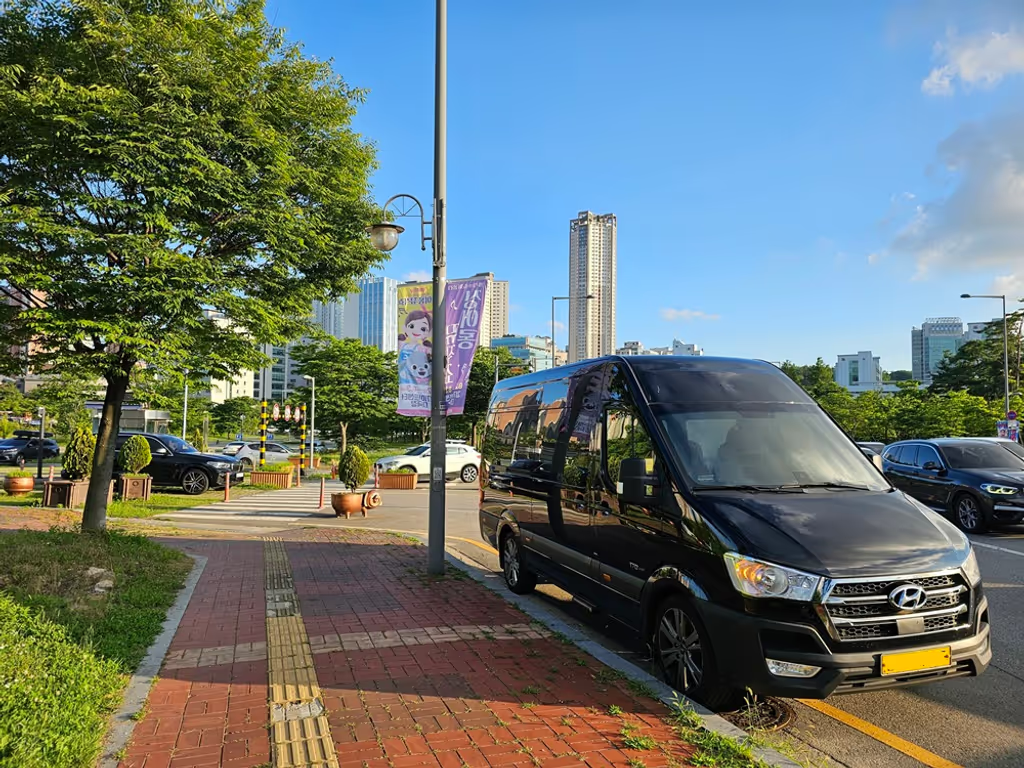
Connecting South Korea’s two major metropolises without navigating railway terminals or managing multiple luggage transfers, this direct six-hour intercity van service handles door-to-door group transfers across the peninsula.
Service parameters include:
- Pricing & Capacity: $840 total per group (up to 12 passengers) with capacity for up to 16 large suitcases.
- Route Comfort: Direct hotel-to-hotel highway transit including scheduled 20-to-30-minute rest-stop breaks along scenic highway plazas.
- Operational Fit: Dedicated driver transit focused on long-distance road safety; specialized English-speaking guide add-ons are available upon request.
Large groups or multi-generational families managing substantial luggage loads can examine the Intercity Private Van Transfer to streamline long-distance travel without luggage friction.
Evaluating these distinct vehicle configurations reinforces a crucial travel lesson: maximum value comes from deploying private transport strategically on days where public transit friction threatens to compromise your schedule.
Analyzing these specific vehicle choices leads naturally into identifying the exact itinerary days where booking a dedicated driver delivers the highest return on your time and comfort.
Busan Station Arrivals, Haeundae Mornings, and High-Value Driving Scenarios
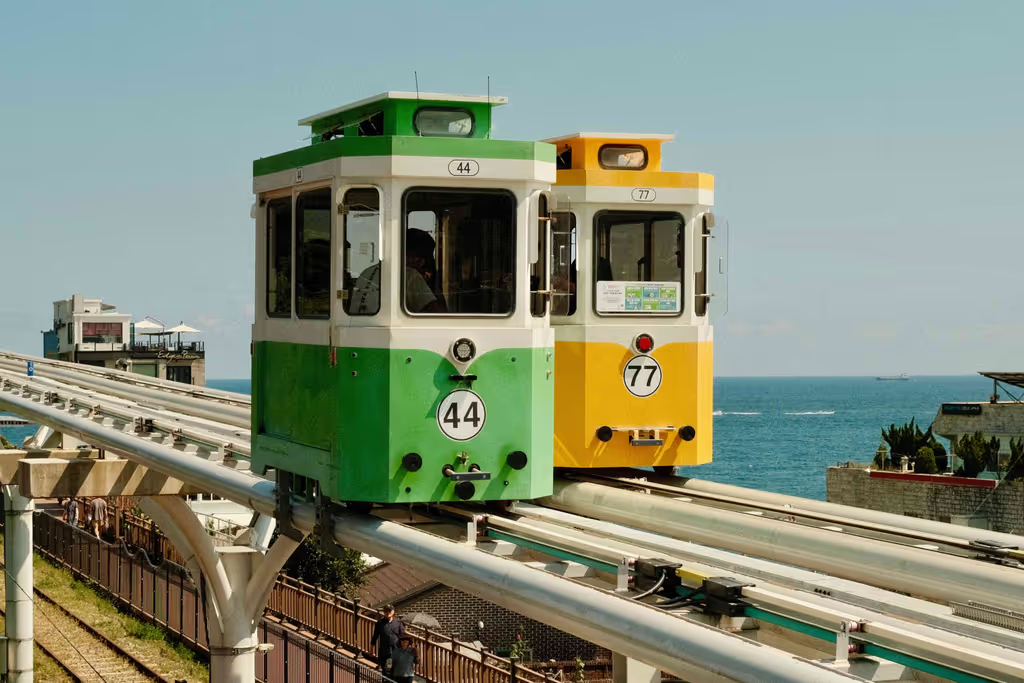
Having evaluated where public transit shines across central Busan, identifying the exact itinerary moments where private transport delivers maximum ROI becomes essential. The value of a dedicated vehicle rests on strategic deployment, sparing energy and daylight when public infrastructure encounters steep terrain, complex transfers, or rigid timing constraints.
Examining high-value driving scenarios highlights key travel moments where dedicated transport transforms your experience:
- The Extended Coastal Perimeter: Linking Haedong Yonggungsa, Cheongsapo, Haeundae, Gwangalli, Songdo, and Gamcheon Culture Village in a single seamless route. A waiting vehicle turns what would be six disjointed transit legs into an unhurried, comfortable day along the shore.
- KTX Arrivals Carrying Heavy Luggage: High-speed trains from Seoul arrive directly at Busan Station on Subway Line 1. While solo travelers with carry-ons manage transit effortlessly, families managing four large suitcases and navigating transfers out to Haeundae Beach benefit immensely from direct train-to-door vehicle transfers.
- Regional Out-of-Town Excursions: Venturing 90 minutes north to Gyeongju, the historic ancient capital of the Silla Kingdom, demands complex rail, bus, and local taxi coordination. A private driver handles highway navigation, parking, and tight timing, allowing you to immerse yourself in UNESCO heritage sites without checking train schedules.
- Late-Night Airport Landings & Early Departures: With airport limousine buses stopping shortly after 9:00 PM and metered taxis imposing 20% to 40% night surcharges after 11:00 PM, a pre-arranged driver tracking flight arrivals removes late-night terminal uncertainty.
- Direct Intercity Group Moves: For groups of six to twelve passengers traveling with substantial luggage between Busan and Seoul, a private van offers door-to-door convenience that rivals managing multiple train tickets and luggage racks.
- Cruise Port Excursions with Tight Departure Windows: Ocean liners docking at Busan Port operate under strict shore leave schedules where a missing-ship scenario is simply not an option. Having a dedicated vehicle guarantees complete return-to-port timing confidence. If you are arriving by sea, consulting Busan Cruise Excursions: Which Terminal Are You Docking At? (Essential Port Guide) helps identify whether your ship berths at the North Port International Terminal or Yeongdo Terminal, ensuring your pickup location aligns perfectly with your arrival berth.
Conversely, central urban activities require no dedicated car. Exploring the bustling street food alleys of Nampo-dong, enjoying an evening stroll along Gwangalli Beach, or shopping through Seomyeon's commercial district are best experienced using local subway lines, saving your transit budget for complex coastal days.
To secure complete route control across these high-friction scenarios, choosing a tailor-made private tour in Busan locks in an experienced local operator who adjusts the day around your group’s exact pace and priorities.
Categorizing these high-value scenarios establishes a practical decision blueprint for mapping out individual days across your itinerary.
Structuring Your Itinerary: Subway Days, Taxi Days, and Private Driving Days
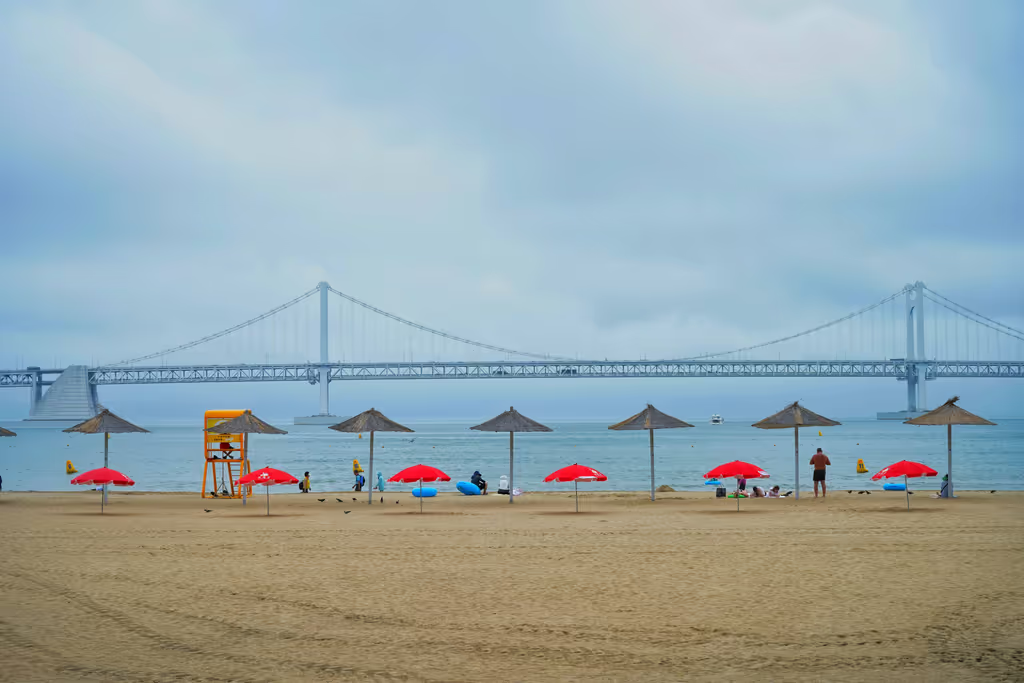
Structuring a smooth trip across Busan comes down to matching your transport method directly to the daily terrain and luggage demands. Adopting a flexible, hybrid approach relying on the efficient public subway network for central urban exploration while deploying private drivers for complex coastal loops maximizes both your travel budget and overall comfort.
Sorting your daily itinerary involves applying these straightforward decision parameters:
- Central Downtown Days with Light Luggage: Staying near central subway arteries like Seomyeon or Nampo-dong with minimal baggage call for public transit. The airport light rail, subway lines, and occasional short street-metered taxis handle these routes effortlessly.
- Hilly Hotel Locations & Heavy Suitcases: Accommodations perched along Haeundae’s hillside roads or near Gamcheon Culture Village’s steep perimeters warrant arranging a direct arrival transfer to eliminate hauling heavy luggage up incline streets.
- Late-Night Arrivals & Early Departures: Landing past 9:00 PM after airport limousine buses cease operation or catching an early flight requires reserving a dedicated driver upfront, complete with flight tracking to handle late-night arrivals smoothly.
- The Single-Day Coastal Loop: Combining Haedong Yonggungsa, Cheongsapo, Haeundae, Songdo, and Gamcheon into one day demands a dedicated driver to protect your schedule and eliminate multi-leg bus connections.
- In-Depth Cultural History Days: Exploring ancient temples and historic quarters benefits immensely from combining private transport with a licensed local guide who provides deep historical storytelling between stops.
- Regional Excursions to Gyeongju: Crossing city limits to explore Silla-era heritage sites requires a dedicated driver-and-guide team to manage highway navigation, parking, and site transfers efficiently.
- Family Travel with Young Children: Families traveling with toddlers should verify child seat availability before booking, as standard sedan taxis frequently lack dedicated child safety seats.
- Intercity Group Moves (Busan to Seoul): Large parties of six or more traveling with substantial luggage benefit from a private long-distance van, whereas couples with carry-ons will find the high-speed KTX train faster and more cost-effective.
Connecting directly with experienced private guides in Busan allows you to review your proposed route, clarify local transport requirements, and confirm whether a dedicated vehicle or a simple transit card best serves your specific itinerary.
Distinguishing between self-guided transit days and dedicated driving routes brings the complete transport plan into clear focus.
Striking the Balance: City Subways for Downtown, Private Transport for the Coast
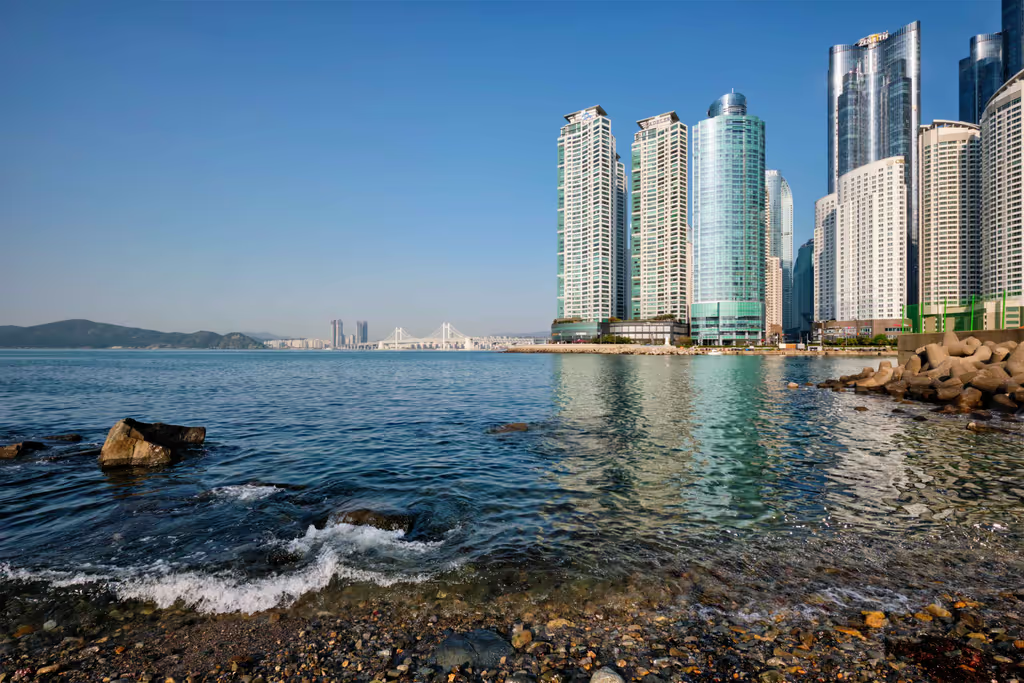
Reflecting back on that initial entry into the city, the primary lesson becomes crystal clear. The airport light rail sweeps in smoothly, the central subway grid looks flawlessly organized, and then Busan’s coastal geography presents itself: the most iconic landmarks sit right along the ocean, and the ocean is precisely where the tracks end.
A dedicated driver is not necessary for every single hour of your trip, but rather a targeted option for specific routes. Standard subway lines and metered street taxis handle central urban days affordably and efficiently. Yet, when tackling the extended coastal perimeter, heading out to Gyeongju, landing past midnight, or moving across cities with a large group and heavy luggage, a pre-arranged vehicle removes the exact logistical friction that threatens to drain your daylight.
Understanding upfront pricing, local taxi meter dynamics, and driver communication options gives you complete control over how your days unfold.
- Total Itinerary Freedom: Every group holds distinct priorities, and if standard routes do not quite fit your vision, local operators offer fully customizable private tours in Busan tailored to your exact pace, stops, and schedule.
- Direct Local Communication: You can message local hosts directly before confirming to adjust route details, verify vehicle sizing, or fine-tune timing.
Pinpointing those complex coastal legs on your calendar opens the door to connect directly with experienced local hosts through custom private tour options in Busan. Reaching out ahead of time allows you to verify exact availability, share specific accessibility or luggage requirements, and tailor a personalized route that completely eliminates transit guesswork, turning what could be an exhausting multi-transfer hustle into an effortless, unhurried journey along the coast.
Setting your transportation plan in place early leaves you free to simply take in the sweeping ocean views, vibrant hillside alleys, and legendary coastal temples that make visiting Busan an unforgettable experience.
Busan Transport and Private Driver FAQs
How much does hiring a private driver in Busan cost?
Full-day group rates generally range between $300 for driver-only sedans and $500 for licensed guide services with a private vehicle. Prices cover the entire vehicle rather than individual seat tickets, though attraction entries and meals remain separate out-of-pocket costs.
Is relying on the subway enough to explore Busan?
Subway trains serve downtown districts like Seomyeon and Nampo-dong cleanly and affordably for roughly ₩1,600 ($1.15). Outlying coastal destinations like Haedong Yonggungsa Temple and hillside villages require multiple bus connections, where a private vehicle saves hours of transit time.
How can travelers prevent taxi overcharges in Busan?
Verify that the physical taximeter activates immediately before the vehicle pulls away, and request a receipt at the end of your trip. Booking a dedicated vehicle in advance eliminates fare disputes entirely by fixing total group costs prior to arrival.
Do private drivers in Busan speak English?
Language proficiency depends on the service level chosen during booking. Basic sedan options include operational English backed by online support, whereas dedicated guide tours feature fluent English-speaking hosts throughout the entire day.
What expenses are typically excluded from a private driver quote?
Standard vehicle quotes cover fuel, tolls, parking fees, and driver service hours. Sightseeing admission passes, local meals, and optional activities like the Haeundae Sky Capsule or Songdo Marine Cable Car are billed separately.