"The meter is broken. Special price, 300 Egyptian pounds." That exact phrase echoed off the tile walls of the arrivals terminal the moment I stepped into the humid air, and it was the moment I realized I needed to map out what private transport in this city actually costs. Navigating transport along the Nile comes down to knowing where a dedicated ride saves your day and where walking works just fine:
- Airport Transfers: Securing a fixed-rate pickup removes the arrival hassle before you touch down.
- The West Bank Circuit: A dedicated vehicle waiting outside tombs keeps you moving through intense desert heat without repeated negotiations.
- Long Temple Road Trips: Direct day trips out to Dendera and Abydos require reliable round-trip transport that stays with you.
- The East Bank Core: Temples, markets, and riverfront hotels sit close enough together for quick walks or brief local rides.
Getting around requires stepping past inconsistent fares and zero functioning meters. Fares from the airport toward the Nile range anywhere from 200 to 400 Egyptian pounds ($4 to $8 USD), while short inner-city runs sit closer to 70 to 90 Egyptian pounds ($1.50 to $2 USD). Rather than guessing, establishing your route early lets you step past airport arrivals with complete clarity.
Navigating your options comes down to choosing between two distinct setups: driver-only transport that handles the roads, or licensed Egyptologists who guide you through every temple gate. Having mapped the geography, heat, and fair market rates, taking a moment to explore private driver listings gives you total control over your vehicle and schedule before stepping foot into the scorching heat.
Building on that baseline of fixed transport costs, the next hurdle is wrapping your head around how the Nile physically splits this ancient capital into two completely different daily rhythms.
Two Banks, One River: Navigating Luxor's Geographic Divide
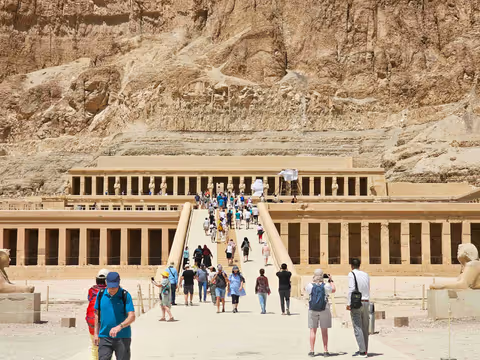
Standing along the dusty banks of the Nile, you quickly realize how completely this river dictates your day. Luxor is physically sliced down the middle, with history neatly organized on either side. The East Bank hosts Karnak Temple, Luxor Temple, bustling markets, and the majority of hotels. Across the water, the West Bank holds the Valley of the Kings, Hatshepsut's terraced temple, and the towering Colossi of Memnon. Moving between these worlds means crossing the water at least once, and more often twice:
- East Bank Walkability: Karnak and Luxor Temple connect along the riverfront corniche, making short walks or quick local taxis entirely manageable.
- West Bank Distance: Monuments scatter across miles of exposed, sun-baked desert without natural shade between stops.
- Transit Differences: Local river ferries get you across, but leave you hunting for secondary taxis on the dusty opposite bank.
- Crowd Timing: Tour buses, river cruises, and school groups cluster around the main gates during identical morning windows.
Tackling the riverfront on foot works beautifully for an evening stroll, as covered in this East Bank walkability guide. Out on the West Bank, however, open desert roads stretch out under punishing sun. Hiring a car that stays parked at each temple gate transforms six separate fare arguments into a single agreed price. More importantly, a driver who understands local crowd flow can pivot your schedule on the fly, steering you toward a quiet tomb entrance while the large tour buses line up elsewhere.
For anyone planning a morning among the tombs without the heat or haggling, reviewing a dedicated West Bank private car tour lets you secure an air-conditioned vehicle that paces the route around your exact energy levels.
Understanding where these ancient sites sit on the map leads directly into managing the relentless midday heat that dictates when those gates open and close.
Out by Seven: How Heat, Tomb Tickets, and Early Starts Shape a Luxor Day
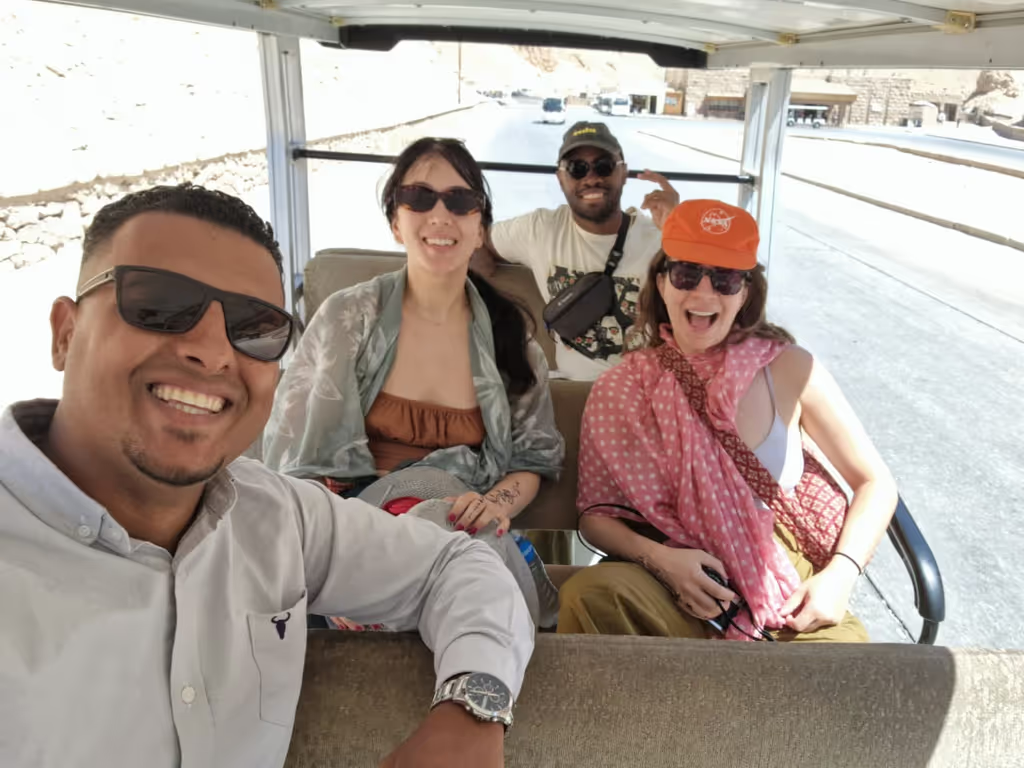
Stepping out of an air-conditioned lobby at six in the morning hits you immediately with that cool, crisp desert air before the sun clears the mountains and begins baking the limestone cliffs. By ten, the West Bank transforms into a giant reflection dish, with stone courtyards radiating intense heat and zero shade in sight. Beating that heat is the entire game in southern Egypt. Setting off at dawn means gliding through the Valley of the Kings and Hatshepsut’s terraced colonnades in relative peace, leaving the scorching midday hours for air-conditioned museums or a cold drink by the riverfront:
- Dawn Pickups: Having a pre-arranged vehicle waiting at your hotel entrance at first light eliminates the headache of trying to hail an off-duty cab at 6:00 AM.
- Flexible Morning Timing: Setting off early keeps you ahead of the massive tour bus convoys, though pickups can easily shift to accommodate a slower breakfast pace.
- Card-Only Ticket Counters: Ministry of Tourism ticket offices at all major archaeological sites require Visa or Mastercard; cash is no longer accepted at ticket windows.
- Tomb Access Inclusions: Standard general admission passes cover entry into three designated tombs, while iconic sites like Tutankhamun or Seti I require separate individual tickets.
Entrance fees sit outside your vehicle rental cost, so factoring them into your overall daily budget prevents surprises at the gate. Standard adult tickets run approximately 750 Egyptian pounds ($15 USD) for the Valley of the Kings, 600 Egyptian pounds ($12 USD) for Karnak, 500 Egyptian pounds ($10 USD) for Luxor Temple, and 440 Egyptian pounds ($9 USD) for Hatshepsut. Extra tomb passes range from 220 Egyptian pounds ($4.50 USD) for KV9 up to 2,000 Egyptian pounds ($40 USD) for Seti I. Keeping a stack of small banknote bills ready for tipping, carrying plenty of water, and wearing sturdy shoes for loose gravel paths makes navigating these complex sites vastly easier.
When sorting through tomb numbers, extra passes, and intricate hieroglyphic history starts feeling overwhelming, pairing dedicated transport with an Egyptologist through a private West Bank guided tour lets a licensed professional handle ticket window lines, navigate crowd movement, and unpack three thousand years of royal burial secrets while you focus purely on the monuments.
Getting your morning timing locked down and understanding entry fee rules brings you directly to the practical question every traveler wrestles with: what an honest ride across town actually costs.
Local Fares, Dollars, and Unposted Rates: What Transport Actually Costs
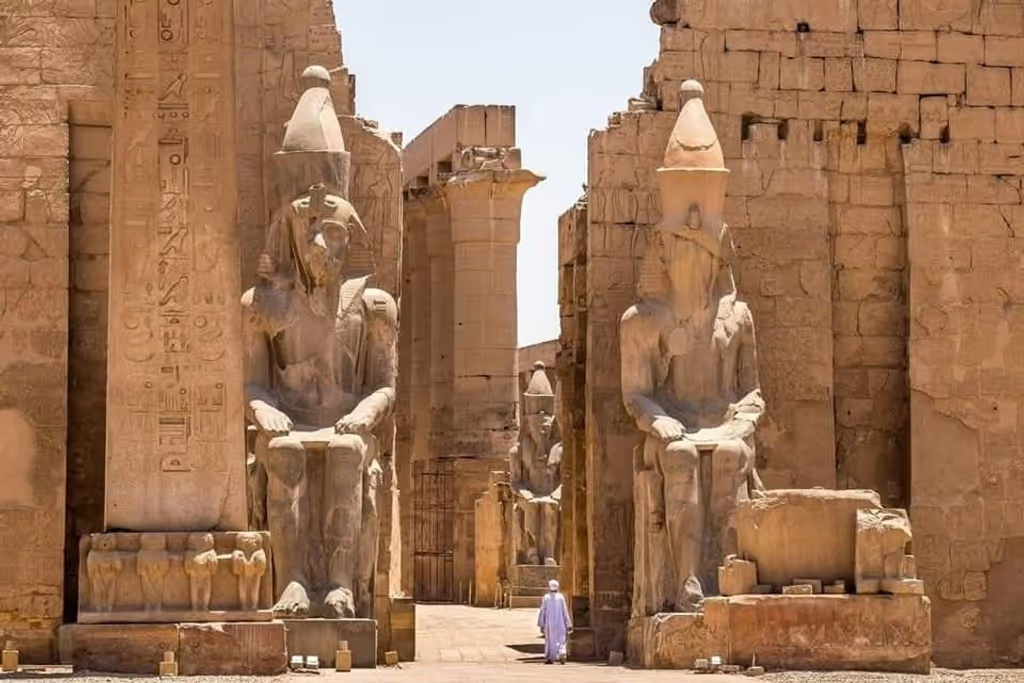
Finding a fixed taxi meter in this city is like searching for a fresh tomb. There are no official published rate sheets mounted on dashboards, which means every ride becomes an open bargaining match the moment you signal a vehicle. Having a firm grasp of realistic price ranges keeps you from paying triple the local rate before your luggage hits the trunk:
- East Bank Foot Travel: Completely free, and the easiest way to wander between Luxor Temple, local markets, and riverfront dining spots.
- Short City Taxi Rides: Local drivers usually ask for 200 to 300 Egyptian pounds ($4 to $6 USD) for short hops, though local metered runs technically calculate between 70 and 90 Egyptian pounds ($1.50 to $2 USD) if you negotiate firmly.
- Airport Arrivals Runs: Standard fair rates range from 200 to 400 Egyptian pounds ($4 to $8 USD), though drivers standing inside the terminal frequently open negotiations at three to five times that amount.
- Ride-Hailing App Reality: Uber does not operate in Luxor. Alternative apps like InDrive or Careem have very limited drivers, making pre-arranged vehicles or street cabs your main options.
- Pre-Arranged Private Vehicles: A dedicated half-day West Bank car sits around $80 per group (covering two adults), while a complete full-day service including airport pickup runs $140 per vehicle ($70 per person).
- Licensed Guide Packages: Half-day West Bank routes accompanied by a reviewed local guide start around $50 per person.
Pay close attention to pricing terms when comparing transport options online. Shared shuttle services advertise ultra-low rates around $15 USD, but those require waiting for large groups and following rigid timelines. Private vehicles give you dedicated space and flexible timing. Tipping remains a separate customary gesture; keeping a handful of 50 or 100 Egyptian pound banknotes ready lets you reward genuine service without altering the base fare you settled on before getting in.
Locking down a fixed rate in writing before your flight lands takes the friction out of arriving, which makes locking in a full-day private car with airport pickup a seamless way to guarantee your vehicle, secure your driver, and settle payment details long before stepping into the terminal madness.
Knowing the numbers is half the battle, but recognizing the exact verbal script drivers use at arrivals is what prevents you from overpaying on night one.
"The Meter Is Broken": Navigating the Airport Arrivals Script
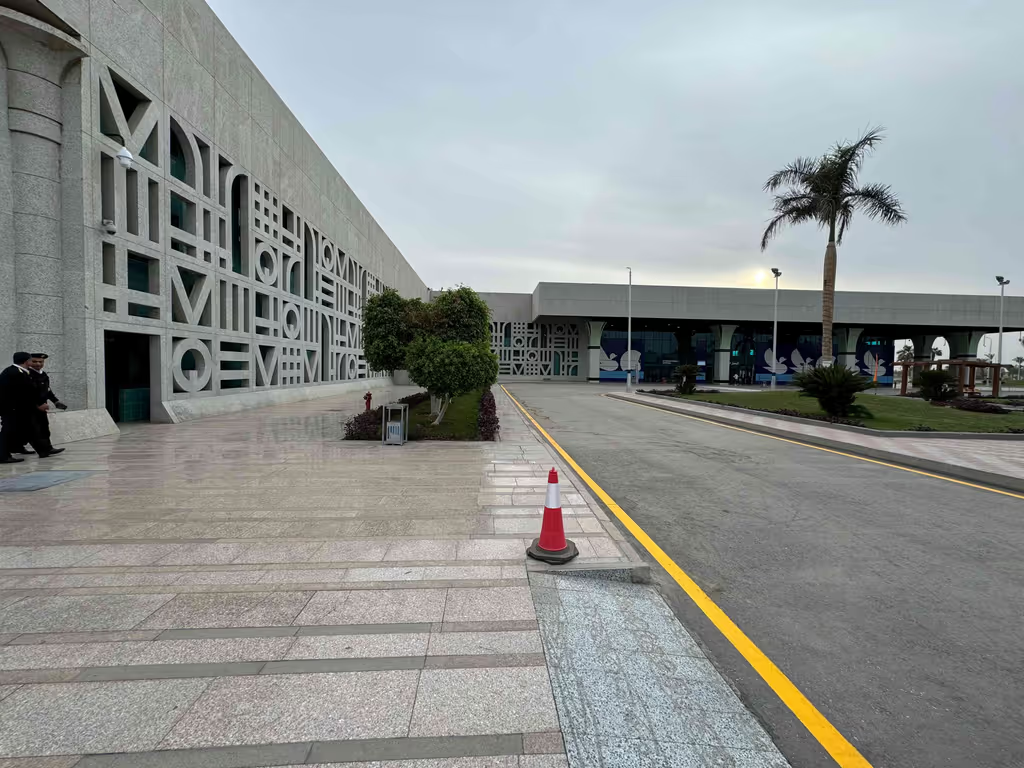
Walking through the sliding glass doors into the arrivals hall, you will almost certainly be met by a wall of drivers holding laminated cards, each eager to grab your luggage. The scene follows a classic playbook: someone points to an impressive-looking "official rates" poster taped to a pillar, and the moment you glance at the dashboard, you hear the familiar line: "The meter is broken, my friend; special price 300 pounds ($6 USD)." That opening quote is routinely triple the fair local rate into town.
While plenty of honest cabbies operate across the city, this terminal routine happens often enough that having a clear plan keeps your arrival completely stress-free:
- Pre-Set Your Maximum: Establish your absolute top limit in your head before your plane wheels touch down.
- Disregard Unofficial Boards: Wall signs inside arrivals carry no government authority; Luxor has no binding taxi tariff.
- Lock Fares Verbally: State the total figure clearly in Egyptian pounds, confirming it covers all passengers, fuel, and luggage together.
- Maintain Personal Belongings: Keep hold of your passport, daypack, and bags rather than letting anyone carry them toward a curb uninvited.
- Firm Walking Away: Stepping toward another exit usually drops inflated quotes by half in a matter of seconds.
Should a driver attempt to raise the rate mid-ride, remain calm. Ask them to pull over in a well-lit, public area along the main road, restate the agreed Egyptian pound figure clearly, and prepare to step out if they refuse to honor it. The moment a driver sees you are ready to walk away, inflated demands almost always vanish.
Sidestepping that late-night negotiation entirely comes down to having a driver waiting at arrivals with your name printed on a sign. Booking a seamless airport transfer with full-day transport secures a professional vehicle, locks in your rate in writing, and gets you straight to your hotel after an exhausting flight without haggling over luggage fees.
Once you know how to handle the arrivals hall, examining the specific operators, vehicles, and guide options across the city becomes straightforward.
Five Local Transport Options to Compare Before the Nile Heats Up
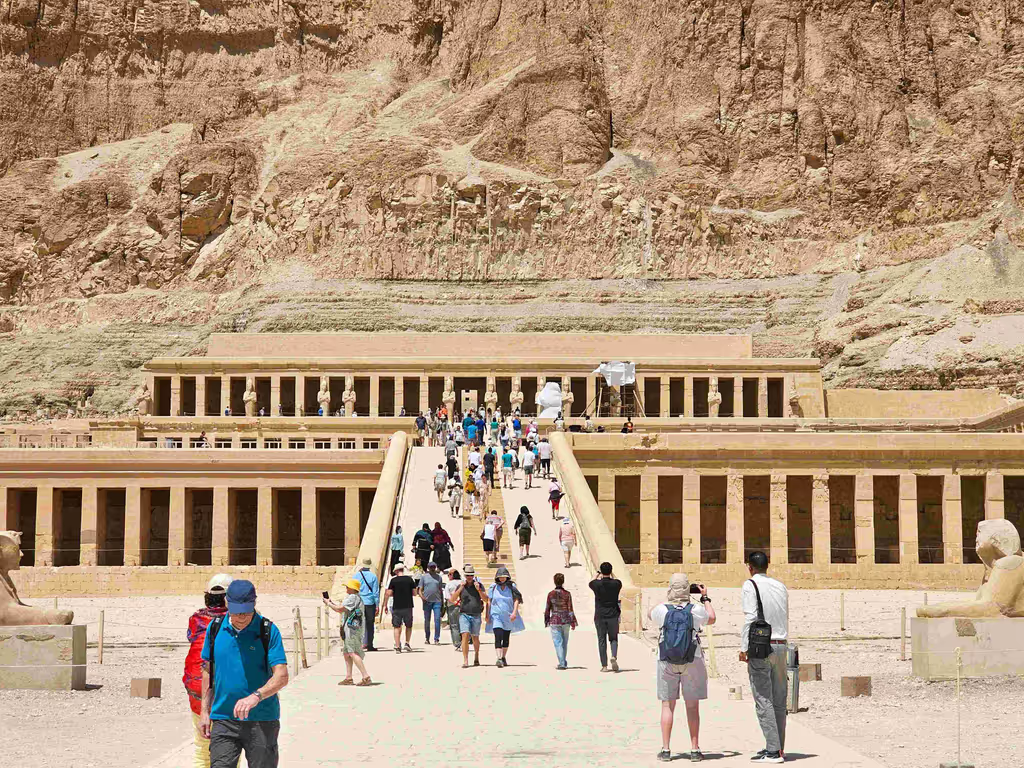
Picking a ride along the Nile comes down to a fundamental choice: do you simply want an air-conditioned vehicle with a quiet driver waiting at each gate, or do you want a licensed Egyptologist behind the wheel who brings tomb hieroglyphs to life? Transport listings in this city fall neatly into two camps. The first group consists of driver-only vehicle hire provided by licensed local transport agencies, offering private air-conditioned minivans with flexible routing, zero guide commentary, and separate site entry tickets. The second group features veteran, highly-reviewed private guides who combine seamless door-to-door transport with deep historical storytelling throughout the morning.
Evaluating any transport listing requires running through a quick mental checklist before sending your deposit. Confirming these key details in writing ensures your pickup runs flawlessly on the day:
- Driver Verification: Confirming the exact driver name and vehicle registration in advance prevents last-minute handoffs.
- Inclusions & Extras: Checking whether road tolls, parking fees, security permits, and cold bottled water are included in the quoted fare.
- Flight Tracking: Sharing your flight arrival number so your driver can adjust for airport delays without charging extra waiting fees.
- Passenger & Luggage Space: Clarifying your total group count and suitcase volume so the operator dispatches the right size van.
- Cancellation Policies: Double-checking free cancellation windows, typically 48 hours, to protect your funds if flight plans shift.
Comparing these vetted local transport options side by side reveals exactly how each vehicle, route, and guide service fits into your daily schedule.
West Bank Half-Day Driver-Only Car
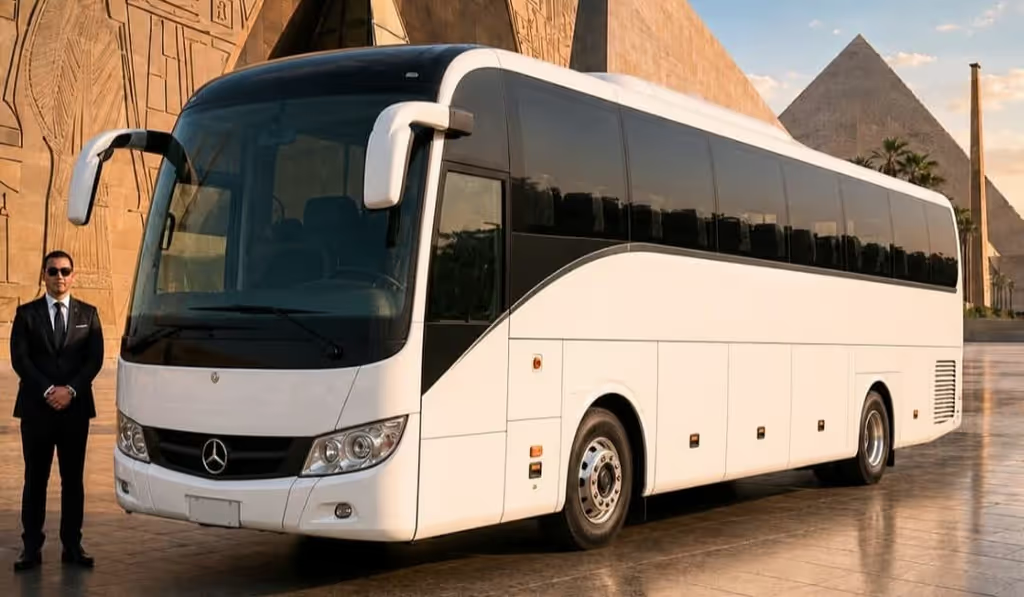
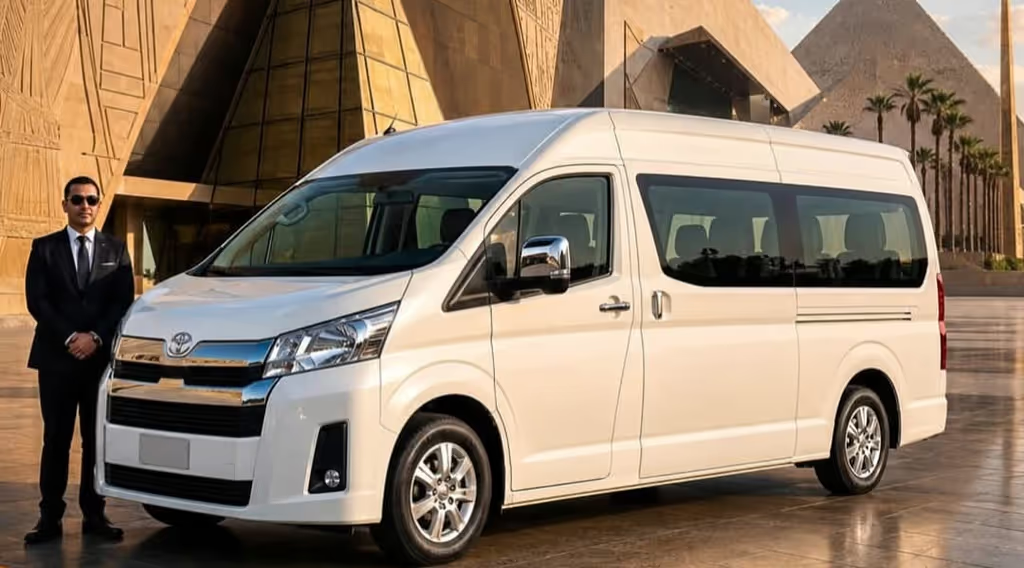
Stepping into a private vehicle at 6:00 AM gives you a massive tactical advantage over tour bus crowds. This four-hour driver-only option provides an air-conditioned van that handles the river crossing, shuttles you between monuments, and stays parked right outside each temple exit while you explore at your own speed. It is the most straightforward, zero-fuss way to cover the West Bank without haggling for street cabs at every stop.
- Duration & Capacity: 4 hours total, accommodating groups up to 15 passengers.
- Flat Vehicle Rate: $80 total per vehicle for two adults.
- Departure Time: Early 6:00 AM start time designed to beat peak desert heat.
- Key Exclusions: Entry tickets, tour guide commentary, and driver gratuities are paid separately.
For travelers who prefer managing their own site research while enjoying dedicated, air-conditioned transport, taking a moment to explore this half-day West Bank car tour lets you secure a private vehicle that stays glued to your schedule.
When your travel plans involve arriving by air and hitting major temples on both sides of the river in a single day, expanding your coverage with an airport-inclusive setup makes even more sense.
Full-Day City Car Tour with Airport Pickup and Drop-Off
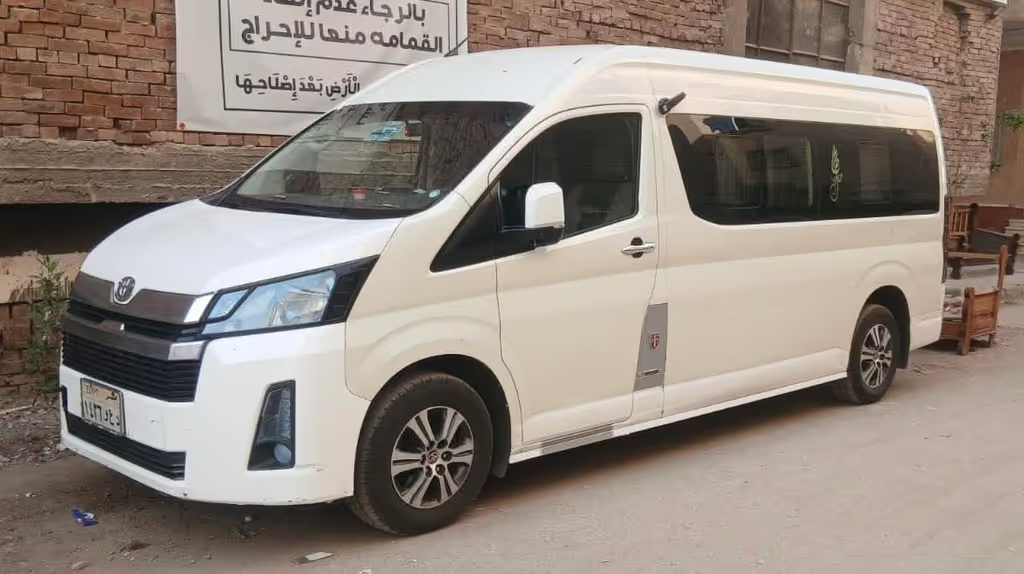
Combining your arrival airport transfer with a full seven-hour sightseeing route solves two massive logistical headaches in one single booking. Your driver meets you directly inside the arrivals terminal with a name board, packs your suitcases securely into the trunk, and drives you straight to the Valley of the Kings, Hatshepsut's temple, an alabaster workshop, and Karnak Temple before dropping you at your hotel or returning you to the airport.
- Duration & Routing: 7 hours covering both West Bank and East Bank highlights.
- Transparent Pricing: $140 per vehicle ($70 per person for two adults).
- Included Extras: Pre-cleared military checkpoint security permits and chilled bottled water inside the van.
- Flexibility: Includes time for an optional local lunch stop along the Nile Riverfront.
If you are flying in on a tight schedule and want to convert your arrival day into a seamless sightseeing run without fighting terminal taxi quotes, you can check this full-day car with airport pickup to lock in your driver and rate in writing before take-off.
While inner-city circuits cover the core monuments, venturing far beyond town into the desert requires a heavy-duty transport arrangement built for long highway miles.
Full-Day Private Car to Dendera and Abydos Temples
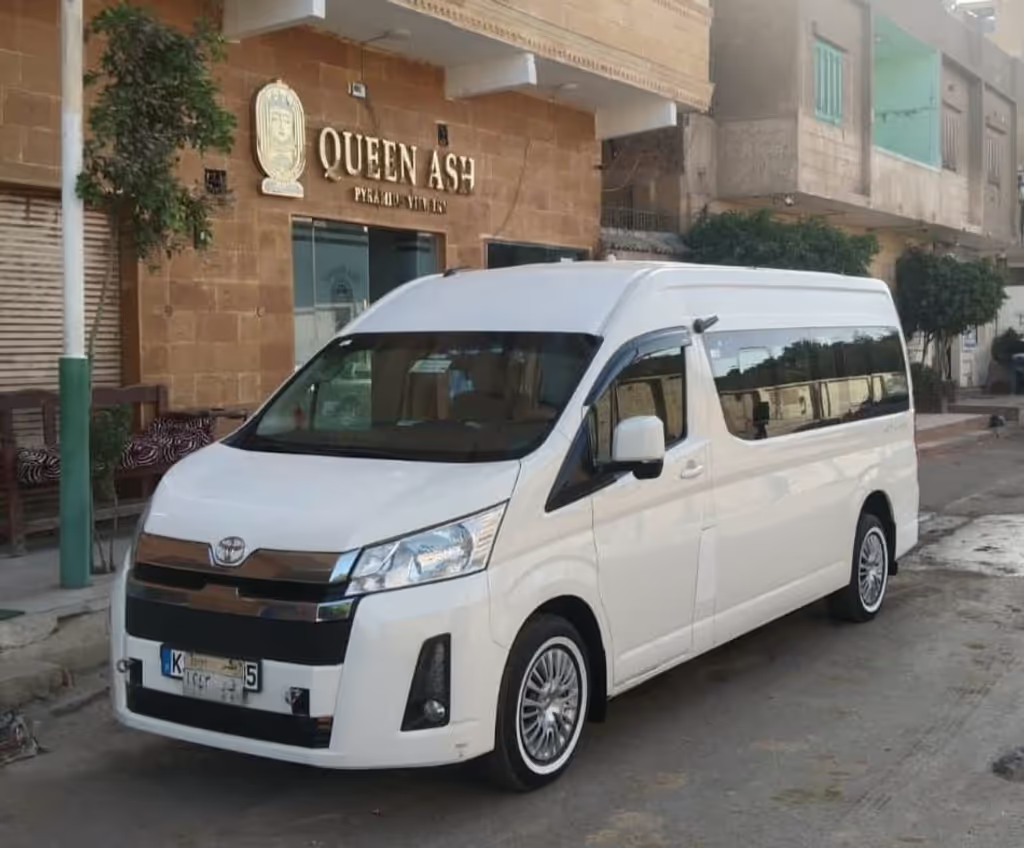
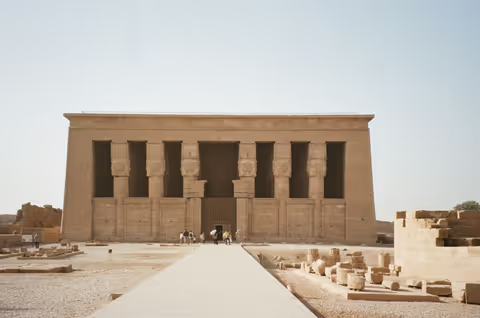
Driving north into the Qena Governorate to reach the astonishingly preserved blue ceilings of Dendera and the ancient sacred complex of Abydos requires nine hours on open highway. Public transport on this route is notoriously slow and complicated, making a dedicated private vehicle with an experienced long-distance driver the only comfortable way to conquer these distant sites in a single day.
- Journey Scope: 9-hour round-trip road journey covering distant northern temple sites.
- Starting Rate: From $125 per person for private round-trip highway transport.
- Route Coverage: Direct transfer to Hathor Temple at Dendera and Seti I Temple at Abydos.
- Road Comfort: Air-conditioned long-distance vehicle with dedicated driver waiting at both remote complexes.
Travelers seeking to experience two of Egypt's most magnificent, uncrowded temple complexes without negotiating highway transit can review this Dendera and Abydos day trip to secure dedicated round-trip transport across the desert.
If you prefer having an expert historical storyteller walk alongside you through relief-carved tomb corridors rather than just waiting in the parking lot, switching over to guide-led options brings a completely different layer of value.
Private West Bank Tour with Licensed Egyptologist (Ali S.)
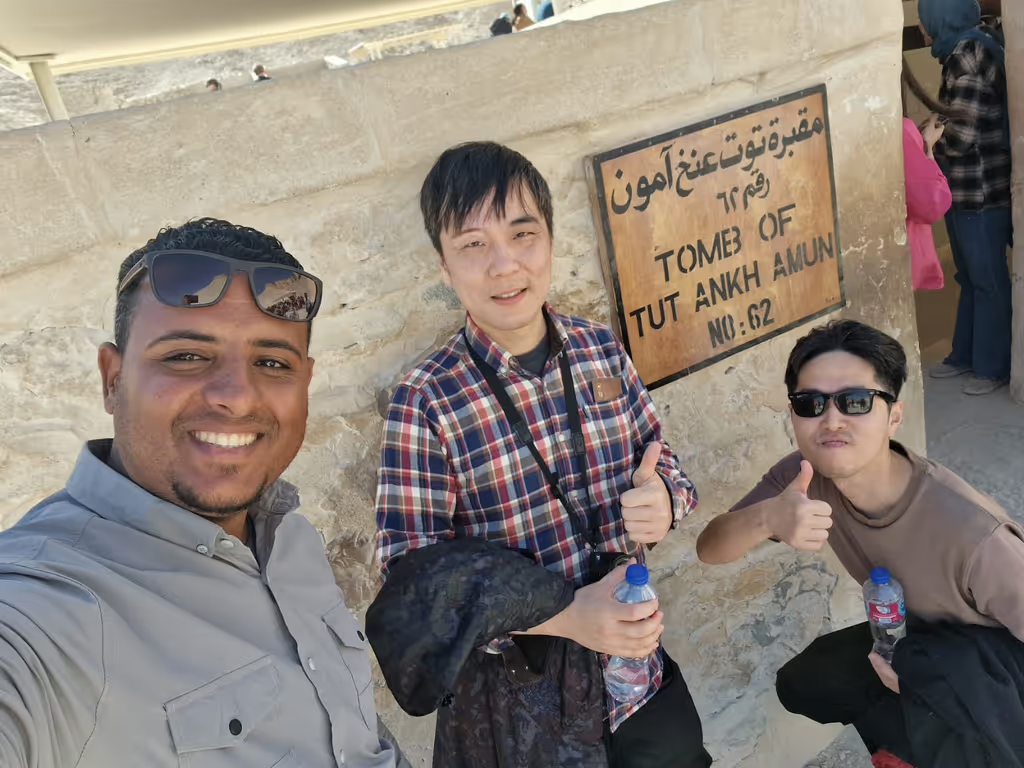
Partnering with an acclaimed, top-rated local Egyptologist transforms a simple drive through the mountains into an immersive historical masterclass. Over five unhurried hours, Ali guides you through the Valley of the Kings, Hatshepsut's temple, and the Colossi of Memnon, deconstructing intricate tomb hieroglyphs, steering you around sudden tour group bottlenecks, and adjusting walking movement around your personal stamina.
- Duration & Rating: 5 hours, rated 5.00 across more than 80 verified traveler reviews.
- Tour Cost: From $50 per person for a fully guided private experience.
- Expertise Included: University-trained Egyptologist commentary and personalized schedule adjustments.
- Proven Track Record: Praised repeatedly by travelers for exceptional route flexibility and emergency airport assistance.
When deep historical context, expert crowd-dodging, and a trusted local host matter most for your West Bank morning, taking a moment to message Ali about his guided West Bank tour lets you tailor your tomb itinerary directly with a veteran guide.
For travelers operating on tighter morning schedules who still want licensed historical guidance through the essential highlights, a streamlined half-day option offers the perfect balance.
Streamlined West Bank Private Tour (Hamada S.)

Designed specifically for travelers who want a sharp, focused four-hour exploration of the primary West Bank highlights, Hamada's private guided tour focuses directly on the Valley of the Kings and Hatshepsut's temple. It offers an efficient, highly polished walkthrough that delivers rich historical storytelling while getting you back across the river before the fierce midday sun peaks.
- Duration & Rating: 4 hours, rated 5.00 across more than 30 verified traveler reviews.
- Tour Cost: From $50 per person for a focused guided tour.
- Core Highlights: Direct guided access through top royal tombs and Hatshepsut's terraced colonnades.
- Efficient Pacing: Ideal for travelers seeking high-impact historical context within a compact morning window.
If you want a crisp, energetic morning route that pairs a private vehicle with sharp historical commentary, you can explore Hamada's streamlined West Bank tour to confirm availability for your preferred morning start.
Evaluating these five distinct transport and guide options gives you total clarity on how to structure your time in town. Send the same concise set of questions to your top picks, confirming driver details, inclusions, departure times, and luggage capacity so you can finalize your setup with absolute confidence.
Laying out your transport options around the city center sets the stage for exploring those long, rewarding desert highways where having a private car truly proves its worth.
North to Dendera, South to Edfu: The Long Highway Runs Where a Private Ride Earns Its Keep
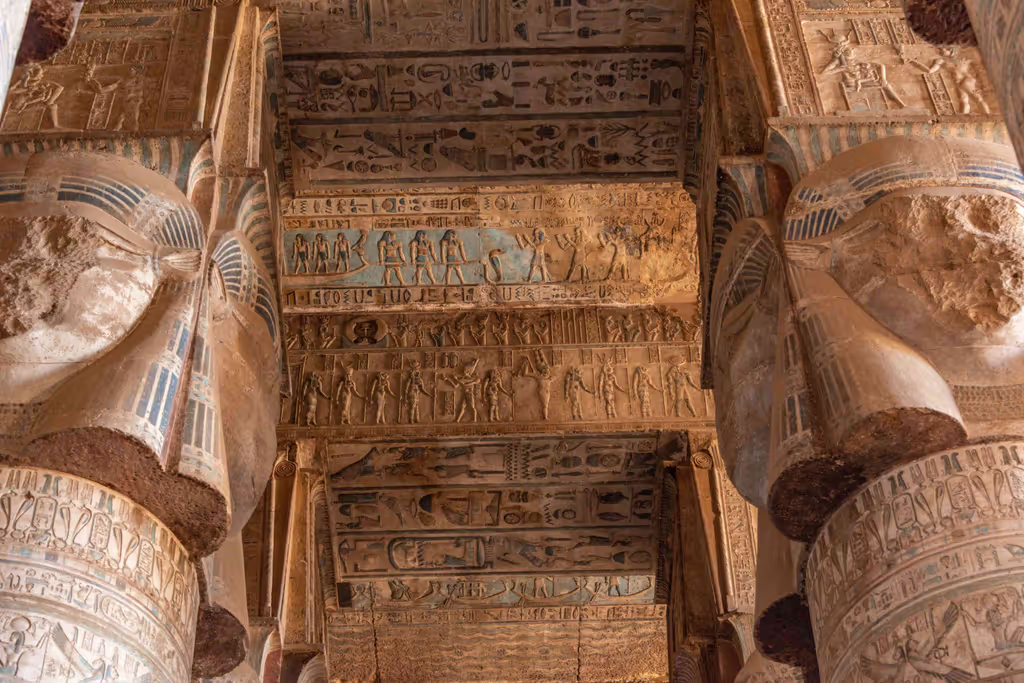
Setting off on the open highways beyond city limits is where booking a dedicated vehicle transitions from a sensible convenience into an absolute travel necessity. Remote sites like Dendera and Abydos sit miles away across northern agricultural plains, where public transit becomes a grinding exercise in regional minibuses, endless transfers, and lost afternoon hours. A pre-arranged private car removes every bit of highway friction, securing your round-trip vehicle, locking in waiting time outside remote temple gates, and eliminating roadside bargaining when you are far from town.
Covering long desert stretches requires factoring in key logistical realities that keep long-distance transit running smoothly:
- Remote Bargaining Isolation: Standing outside distant temple gates, leaving Qena or Edfu without a waiting driver leaves you completely helpless against inflated local return quotes.
- Turnkey Highway Fares: Securing a flat round-trip vehicle rate guarantees all highway tolls, fuel refills, and driver waiting hours are settled before setting out.
- Sightseeing Transfers: Turning required travel days between cities into active road trips allows you to stop at major monuments along the way without losing a full day to pure transit.
- Timing Protections: Eliminating unexpected fuel hunts, missed parking turnoffs, and vehicle changes saves hours of valuable daytime light on long routes.
Distant routes demand a vehicle setup that handles long desert miles without hassle. The nine-hour circuit covering both Dendera and Abydos runs from $125 per person for dedicated private transport, sitting well below market packages that often hit $180 to $220 USD when bundled with guides and tickets. One-way highway routes offer similar efficiency: taking a six-hour journey south toward Aswan with sightseeing breaks at Edfu and Kom Ombo, or heading five hours east toward the Red Sea coast at Hurghada with a stop at Dendera's Hathor Temple, both start around $150 per person. Even shorter three-hour regional runs to Esna sit around $100 per person, giving you quick access to remote reliefs without spending an entire day behind the wheel.
When planning a full day exploring the vivid blue ceilings of Hathor and the ancient sacred halls of Seti I without fighting highway transport, taking a moment to review this full-day Dendera and Abydos tour lets you lock in dedicated round-trip vehicle transport before stepping onto the northern highway.
Having mapped out where a dedicated driver proves indispensable across city streets and long desert highways, examining when you can easily skip a car altogether puts complete control over your daily travel budget back in your hands.
Walk It, Ride It, or Hire It: Matching Transport to Your Itinerary
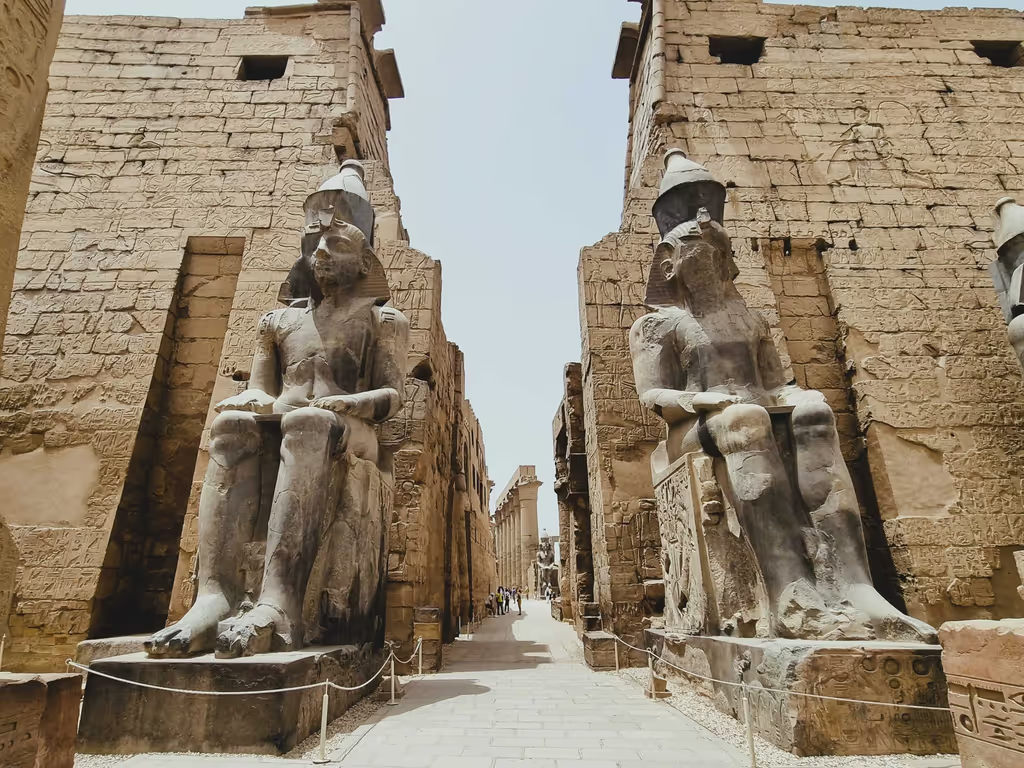
Determining whether a dedicated vehicle belongs on your daily itinerary comes down to analyzing your length of stay, group mobility needs, and daily route complexity. Not every day on the Nile requires a private car on standby. Mapping your stay into distinct, manageable blocks ensures you invest in dedicated transport exactly when it saves you energy, while leaning on foot travel when exploring local riverfront neighborhoods:
- Single-Night Express Stays: Focusing purely on the East Bank allows you to walk comfortably between Karnak, Luxor Temple, and local markets, reserving pre-arranged transport strictly for late-night airport arrivals.
- Two-Night Dual-Bank Routes: Reserving a dedicated half-day vehicle for an early West Bank morning run covers spread-out tombs efficiently, leaving afternoon hours free for unhurried foot travel along the East Bank corniche.
- Extended Three-to-Four Night Trips: Adding a long-distance day trip north to Dendera or south to Edfu introduces one dedicated road day, keeping remaining city time flexible and light.
- High-Heat Summer Visits: Extreme summer temperatures tilt the scale heavily toward dedicated transport; having an air-conditioned car waiting outside every tomb gate far outperforms hunting for street taxis or crossing dusty riverbanks on foot under a 100°F desert sun.
Specific traveler needs should immediately tilt your decision toward a dedicated vehicle. Families traveling with young children, seniors navigating uneven stone pathways, and travelers managing physical mobility limits gain immense comfort from door-to-door vehicle service. Conversely, solo travelers keeping budgets tight can stretch funds by combining river ferry crossings with short local taxis, referencing that dedicated East Bank walking guide to gauge distances on foot.
If you find yourself facing three separate fare negotiations in a single morning, locking down a single fixed rate in writing pays for itself in time and ease. Taking a moment to connect with a verified local guide lets you review your proposed daily schedule, confirm route feasibility, and fine-tune your itinerary with an expert before making final arrangements.
With your travel plan clearly mapped across the city, pulling these logistical pieces together into a practical, stress-free plan brings your Nile journey into sharp focus.
Lock in Fair Rates Early and Enjoy Cool Desert Mornings
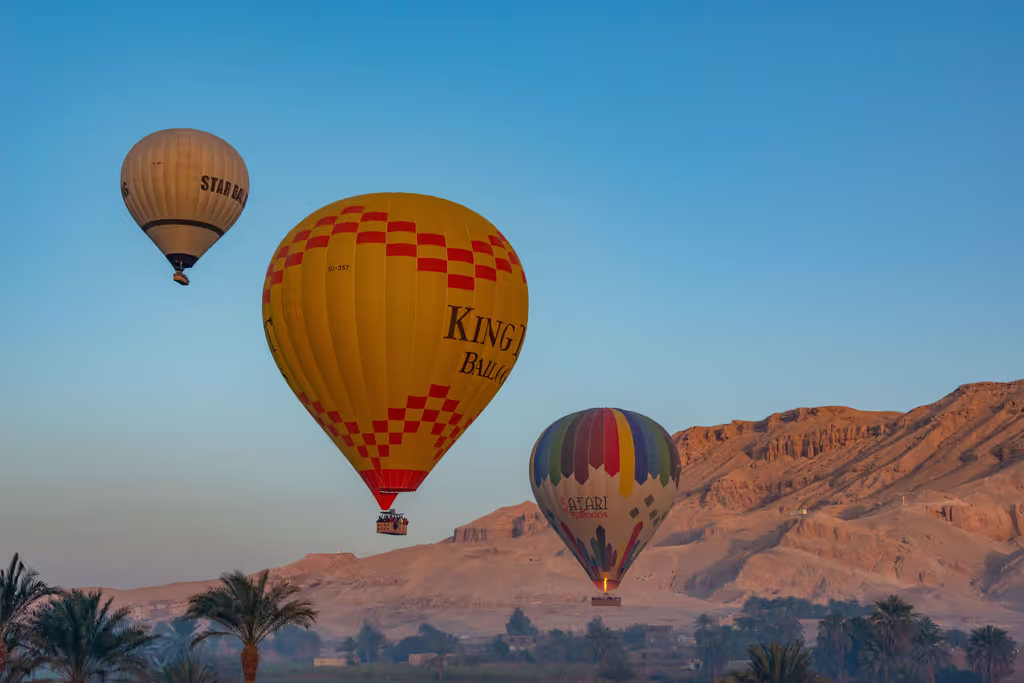
Looking back across this entire journey along the Nile, one takeaway stands out above everything else: this ancient city never requires a private driver on call for every waking hour, but it absolutely rewards having one booked for the moments that matter most. Securing a dedicated vehicle for late-night airport arrivals, early morning West Bank tomb runs, and long highway trips north to Dendera removes nearly all the daily friction from your itinerary, leaving the rest of your stay free for unhurried foot travel along the riverbank:
- Settle Transport First: Locking down your key transit legs in advance lets you enjoy sunset at Karnak Temple and slow dinners along the corniche without transit stress.
- Remove the Bargaining Trap: Setting your total fare in writing beforehand completely neutralizes the classic broken-meter lines at arrivals.
- Prioritize Early Light: Standing outside royal tombs at dawn with an air-conditioned car waiting in the shade makes exploring the West Bank remarkably comfortable.
- Flexible Custom Routing: Every private itinerary can be adjusted, shifted, or completely customized around your exact travel pace, favorite sites, and group needs.
What stuck with me most was how quickly this city transforms the moment transport logistics are settled. Instead of spending your morning haggling over fares in the heat, you step out of your hotel, meet your driver, and head straight into the desert while the air is still crisp.
If you want complete flexibility over your schedule or prefer creating a custom route that is tailored directly to your timing, taking a moment to explore customizable private tours lets you message local hosts, adjust your daily stops, and confirm your fixed rates long before your flight touches down.
Stepping into the cool morning shade of the West Bank with your ride settled, your rates locked in, and the golden light hitting ancient limestone cliffs is when this timeless city on the Nile opens up into an unforgettable journey.
Essential Luxor Driver FAQs
How much does hiring a private driver cost in Luxor?
Half-day West Bank driver-only options run around $80 total for two adults, while full-day services with airport transfers sit at $140 per vehicle. Sightseeing tickets, guide commentary, and driver gratuities are separate expenses.
Do Uber or other ride-hailing apps work in Luxor?
Uber does not operate in Luxor, and alternative apps like Careem or InDrive have very sparse coverage. Relying on pre-arranged private cars or negotiating local street taxis remains the standard option.
Are entrance tickets included in private driver rates?
No, entrance fees are excluded and must be paid separately at each site. All official ticket counters now enforce mandatory Visa or Mastercard credit card payments, as cash is no longer accepted.
What is typically excluded from a driver-only booking?
Driver-only bookings cover fuel, road tolls, vehicle parking, and driver time, but exclude monument entry passes, lunch, licensed guide commentary, and driver tips. Chilled bottled water and military checkpoint permits are usually included.
Can I book a private driver before landing in Luxor?
Yes, pre-arranging a pickup allows your driver to track your arrival flight and meet you inside the terminal with a name sign. Setting your rate in writing beforehand completely sidesteps terminal haggling.
Do I need a dedicated driver for my entire stay?
No, dedicated vehicles are only necessary for airport transfers, early West Bank tomb runs, and long regional day trips. East Bank temples, markets, and hotels sit close enough together for quick walks or brief local taxi rides.