
 This article was researched and written by Hamza C. and Nick O., drawing on their firsthand experience exploring Nairobi's CBD with a local private guide.
The autumn air over Moi Avenue was already humming with the distinct, kinetic energy of East Africa’s economic heartbeat when our group of seven converged on the imposing steps of the Kenya National Archives. It was 8:30 AM on October 30, and each of us carried an unspoken apprehension we’d spent weeks turning over in our heads: Is Nairobi actually safe to walk around? Weeks of doom-scrolling through travel forums had left us with a messy patchwork of conflicting advice. Official government advisories flashed red warnings of "extreme caution," while local acquaintances whispered contradictory reassurances that the capital was as safe as any European metropolis, provided you stayed out of certain alleys after sunset.
Tired of second-guessing our travel plans, we decided to cut through the digital noise the only way that matters: by experiencing a Nairobi walking tour with a seasoned local expert. Choosing the Kenya National Archives as our launchpad wasn't just a matter of convenience; it was a masterclass in urban storytelling. Nestled right at the southern edge of the central business district on Moi Avenue, this landmark serves as the ultimate transitional portal between Nairobi's chaotic modern present and its colonial origins. By anchoring our meeting point here right next to the historic Hilton hotel block, our guide bypassed the confusing maze of downtown side streets, giving us an immediate, highly secure, and easily identifiable starting line before we took a single step deeper into the grid.
Sammy M., our guide, greeted us there and asked each of us what we hoped to get out of the morning. Some wanted history, some wanted to understand how the city works day to day, and one of us was mainly interested in the markets. That question set the tone of the rest of the tour.
This article draws on that customized private walk, Footsteps Through Time: The Nairobi Story, led by Sammy M. While Sammy’s standard public listing starts at Ambank House and runs for 2.5 hours, we messaged him ahead of time to customize the plan for our group of seven, shifting our meeting point to the Kenya National Archives steps and extending the walk to three hours so we could linger at the stops that interested us most.
Our observations come from one daytime walk, and they are a starting point rather than a verdict on the whole city. They offer practical context to help you answer the question every first-time visitor asks before lacing up their walking shoes.
Is Nairobi Safe to Explore on Foot?

Yes, with conditions. The CBD can be explored on foot by visitors who choose daylight, plan their route, and take ordinary urban precautions. To help you digest the core takeaways instantly before we dive into the full story, here is the essential breakdown of what to expect when exploring Nairobi on foot:
- Daytime Safety Status: The central business district is generally safe to navigate on foot during daylight hours when traveling with a group, a clear plan, and situational awareness.
- The Advisory Gap: International travel warnings apply broad national risk frameworks that rarely capture the reality of a secure, bustling weekday morning in the capital.
- Logistical Advantages: Partnering with a private local guide eliminates navigation anxiety, handles crowd management, and unlocks historical context that self-guided tours miss entirely.
- Essential Gear: Keep valuables secure in front pockets, carry minimal cash, wear durable walking shoes, and plan your route to conclude well before dusk.
With these baseline expectations clear, the smartest move you can make right now is to look past the sensationalized headlines and, just like our group did, reach out to a local tour guide to start mapping a route that fits your comfort level.
During our walk, the gap between the official warnings we’d read and the city around us was the first thing we noticed. Official advice covers whole countries, so it doesn’t tell you much about a weekday morning on Kenyatta Avenue. Here is how the two compare, and what we took from it.
Decoding the Safety Hype: Official Advice vs. Street Reality

If you rely solely on foreign office travel advisories, you’d likely picture Nairobi as a city best viewed exclusively through the tinted windows of an armored SUV. But there is a massive gap between broad national risk assessments, published by bodies like the UK Foreign, Commonwealth & Development Office, the US Department of State, Global Affairs Canada, and Australian Smartraveller, and the lived reality of a weekday morning in the CBD. Because these official advisories cover entire countries, including remote border regions hundreds of kilometers away, they often lag months behind shifting urban realities and rarely capture the community-driven cadence of a city going to work.
Checking these advisory pages on the day you book, before you travel, and on the morning you set out remains essential to establish your baseline boundaries; however, our firsthand walk showed that sensible daytime precautions, planning your route in advance, and keeping valuables secure allow you to navigate those boundaries with confidence.
For us, seeing how those boundaries worked in practice started the moment we stepped into the weekday rush and watched the city center go to work.
Is It Safe to Walk Around Nairobi CBD During the Day?

For most visitors who take sensible precautions, a daytime walk through the CBD is a reasonable, highly rewarding plan. Our choice for a daytime tour made a lot of sense: streets were busier, more people were about, and it was easier to see where we were going. However, daylight is not a security guarantee. Petty crime can happen in the day, and crowds are where pickpockets work best because a crowd gives them cover. Our experience on the day showed that the real question is less about whether it is daytime and more about how you move through the streets.
On our walking tour of Nairobi, Sammy set a steady pace from the start. He slowed where a stop needed time and moved briskly across busier junctions. He stopped often and welcomed questions, so the morning never felt like a forced march. When a question led somewhere unexpected, he followed it, sometimes with a short detour and sometimes by adjusting a planned stop.
Our recommended daytime safety habits:
- Stick strictly to daylight hours: Schedule your urban explorations to wrap up well before dusk, avoiding quiet side streets and underpasses as the evening commute begins.
- Move in a cohesive pack: There is safety in numbers. Agree on a designated leader and rear guard so no one gets separated in dense pedestrian traffic.
- Audit your carry: Leave original passports, high-limit credit cards, and excessive cash locked in your hotel safe. Take a digital or paper copy of your ID, a modest amount of local currency in small shilling notes, one primary phone, and a compact water bottle.
- Stow your tech: Never walk while staring down at a glowing smartphone. If you need maps or ride-hailing apps, step inside a café, hotel lobby, or secure shop entrance.
- Establish a clear route and exit strategy: Know your starting coordinates, your pacing milestones, and exactly how you will return to your accommodation once the tour wraps up.
- Wear sturdy shoes: Nairobi's CBD sidewalks feature uneven paving stones, occasional construction gaps, and high curbs. Leave designer heels and thin loafers at the hotel.
Following these exact habits kept all seven of us comfortable, together, and focused on the tour rather than our pockets. Once those routines became second nature on our walk, the city center felt far less intimidating. Still, good habits only go so far without knowing what specific situations to watch out for on the street.
Navigating the Main Safety Risks

During our planning and on the walk itself, we learned that most visitors who run into trouble do so through a predictable handful of situations. We kept these specific risks in mind:
- Petty Theft and Opportunistic Crime: Phone snatching, pickpocketing, and bag snatching are the hazards travelers meet first. We carried our bags on our front or in our hand, keeping our phones zipped away securely when not in active use.
- More Serious Crime: Robbery and violent crime are a separate category from petty theft, and busy daytime streets do not completely rule them out. We carried little, avoided isolated spaces, steered clear of late-night detours, and noted that if anyone is ever confronted, possessions can be replaced while safety cannot.
- Demonstrations and Political Unrest: Spontaneous demonstrations can close roads, disrupt public transport, and alter access to certain sectors. Checking local news on the morning you head out is vital. If a gathering is underway, the best move is to postpone your walk or alter your route entirely.
- Solo Travelers: Solo travelers (particularly solo women) may occasionally face unwanted attention or urban harassment. We planned routes rigorously in advance, dressed in line with local norms, and walked together.
Ultimately, staying safe in Nairobi isn't about wrapping yourself in bubble wrap or abandoning your travel plans; it’s about replacing abstract anxiety with grounded, practical awareness. When you are ready to put these safety habits into practice, reach out to a verified local guide to discuss your group’s comfort level and start mapping a secure route.
Once your baseline habits are locked in, the city opens up, so let's trace the exact landmarks we covered once we stepped off the archive steps.
What to See on a Nairobi Walking Tour

As we stepped away from the Archives steps, the street opened onto a dense, multi-layered urban landscape where centuries of architecture collide. Our bespoke route strung together the CBD's most iconic heavyweights, moving seamlessly from colonial foundations to modern civic power structures:
- Kenya National Archives: Housed in a former bank building, this stop shattered several historical myths we’d unconsciously carried regarding Kenya’s early commercial development, offering rare photographic archives and tribal artifacts.
- Dedan Kimathi Monument: Standing before the towering bronze statue of the legendary Mau Mau freedom fighter executed in 1957 anchored our walk firmly in the country's fierce, uncompromising struggle for independence.
- World War Memorials: Located right on Kenyatta Avenue, these quiet bronze plaques honor those who served in East African campaigns, a sobering historical layer many hurried commuters walk right past.
- Sarova Stanley: Operating since the early 1900s, this legendary hotel intersection has witnessed the entire evolution of Nairobi's colonial and modern hospitality sectors, hosting royalty, writers, and explorers.
- Jamia Mosque: A striking architectural masterpiece blending traditional Islamic design with local white-and-green stone, showcasing how religious and commercial life grew hand-in-hand downtown.
- McMillan Memorial Library: Built in 1931, its neoclassical columns stand as a testament to the city's early elite aspirations and ongoing cultural restoration efforts.
- City Market: A sensory overload of aromatic spices, woven baskets, and bustling trade where everyday Nairobi pulses at full volume, offering an unfiltered look at local commerce.
- Kipande House: A stark, historic stone landmark where colonial authorities once issued the oppressive kipande passbooks that restricted African movement. Gazetted as a National Monument, the distinctive stone building with its domed clock tower was acquired by Kenya Commercial Bank (KCB) in 1976 and still operates as a working bank branch today.
- Government District: Walking along Harambee Avenue put us face-to-face with the nation's political machinery. This high-security corridor anchors Kenya's most vital state institutions, including Harambee House, the administrative hub tied to the presidency; Sheria House, housing the Office of the Attorney General; and the National Treasury, providing a sharp, imposing architectural contrast to the bustling commercial blocks surrounding them.
- KICC Rooftop: Scaling the Kenyatta International Conference Centre delivered an expansive 360-degree panorama that finally stitched our entire walking route together from the clouds, giving us a true spatial map of the capital. Known as one of the most photographed architectural landmarks in East Africa, its iconic rooftop helipad offers the definitive bird's-eye view of Nairobi's skyline.
- Supreme Court: Our final footstep on City Hall Way provided a dignified, reflective bookend to our urban exploration. Pausing outside the main entrance to observe the historic Hamilton Fountain, featuring its striking bronze statue symbolizing the blind, fearless nature of justice, we tied Kenya's judicial foundation directly back to the vibrant streets we had just mastered.
Navigating these waypoints independently can feel overwhelming, so if you want a tailored route with an expert who knows the stories behind every corner, consider touring with a local guide.
Looking back on the morning, the landmarks themselves were only half the story. What really made the city click was how our guide handled the walk. That human element is precisely what transforms a simple city stroll from an intimidating maze into an engaging conversation.
Is a Private Guide Worth It for a Nairobi Walking Tour?

Paying for a local guide adds an upfront cost and ties you to a planned schedule, so it is worth weighing what you gain over navigating downtown on your own or relying on taxis. In Nairobi’s CBD, the right choice depends on how familiar you are with the streets, how much time you have, and whether you want historical context alongside route navigation.
On the upside, a great guide doesn't just recite Wikipedia facts; they manage the invisible friction of group dynamics with effortless expertise. With Sammy leading our group of excited explorers, the morning unfolded through a series of thoughtful, ground-level observations that completely transformed how we experienced the city:
- Punctual and Personalised Beginnings: Our guide arrived well before our scheduled start time, setting an immediate tone of reliability and breaking the ice by asking what each of us was most eager to discover.
- Transparent Route Outlining: Before setting foot off the curb, he walked us through the day's roadmap, detailing anticipated stop durations and building an instant sense of shared comfort.
- Proactive Safety Micro-Actions: Safety wasn't enforced like a strict military drill; it lived in the details. When crowds surged near us, he adjusted our pacing; when the equatorial sun began to peak, he discreetly secured cold bottled water for everyone before anyone even had to ask.
- Contextual Depth Beyond the Guidebooks: Rather than sticking to generic tourist trivia, he blended political background and economic history that resonated deeply even with members of our group who had lived in Nairobi for years.
- Frictionless Administration: All entry fees and ticketing logistics were pre-arranged behind the scenes, meaning we never stood awkwardly waiting at gates or fumbling with currency changes.
- Dynamic Schedule Pivoting: When our deep dive inside the National Archives ran longer than planned, he seamlessly compressed minor transitional stretches without sacrificing the core highlights of the morning.
That flexibility is the biggest practical advantage of booking a private walk over a fixed-schedule group tour. Because you are working directly with the guide, you do not have to treat the public itinerary as a rigid script. Before booking, you can message your guide to tailor:
- The meeting and ending points: Arrange to meet at a recognizable landmark near your hotel, or finish near a specific café or pick-up zone (just as we shifted our start from Ambank House to the National Archives).
- Pacing and total duration: Extend a standard 2.5-hour route to three hours if your group likes asking questions, or tighten the schedule if you are working around a tight layover window.
- Stop priorities: Spend extra time bargaining inside City Market, dive deeper into colonial architecture, or add a nearby stop like the Supreme Court exterior based on what your group actually cares about.
The walk with our local guide gave us a clearer sense of how the CBD fits together. Historic buildings, markets, religious sites, and monuments sit within a relatively compact area, and the city made more sense once someone explained why each place mattered. That context is what we would want a first-time visitor to take away. It did not make the city entirely risk-free, but it gave us a better foundation for deciding how to explore it.
If a guided walking experience matches how you like to travel, compare Nairobi private tour options to find a verified local guide whose experience and pacing fit your group. To give you a head start, explore the following live tour options we have carefully curated for you.
Five Nairobi Tours to Consider With a Local Guide

Moving beyond a standard urban walkthrough, these five private itineraries approach Nairobi through distinct lenses: its independence history, broad architectural core, railway heritage, matatu commuter culture, and artisan markets. Because each experience is fully private, you set the pace, direct the questions, and tailor the focus. We begin with Footsteps Through Time, the specific route featured in this article, before expanding outward into specialized local themes.
Footsteps Through Time: The Nairobi Story with Sammy M.

This focused introduction to downtown Nairobi's most iconic monuments sets the pace with an expert storyteller who connects colonial relics directly to modern civic life.
- Duration: ~2.5 hours
- Price: From $30 per person
- Focus: Downtown Nairobi’s colonial past, independence struggle, and civic landmarks.
- Key Stops: Kipande House, City Market, Jamia Mosque, McMillan Library, World War monuments, Sarova Stanley, Dedan Kimathi Monument, Government District, and KICC rooftop.
- Inclusions & Logistics: Guide fee and KICC rooftop entry included (hotel pickup/drop-off excluded). Starts near Ambank House / National Archives and finishes at KICC; private group up to 10.
Message Sammy directly through the Footsteps Through Time tour page to confirm your preferred morning start time and group size.
Moving from a concise downtown walking loop to a broader historical sweep, the next option incorporates indoor museum heritage to provide a more comprehensive timeline.
Nairobi Historical City Tour by Moses O.

Combining street-level historical exploration with indoor museum exhibits, this half-day option expands the scope to cover the city's deeper cultural heritage.
- Duration: ~5.5 hours
- Price: From $40 per person
- Focus: Colonial history, the struggle for independence, cultural heritage, and the Nairobi National Museum.
- Key Stops: Dedan Kimathi Monument, Askari Monuments, McMillan Library, Jamia Mosque, Nairobi National Museum & Snake Park, August 7 Memorial Park, and KICC Rooftop Helipad.
- Inclusions & Logistics: English-speaking guide and bottled water included (museum entry fees, meals, and tips excluded). Starts and ends at Kencom Bus Station; private group up to 15.
Transitioning from general colonial history to industrial heritage, this specialist itinerary zeroes in on the capital's founding transport roots.
Inside Kenya’s Railway History: Locomotives & Engineering with Lewis N.
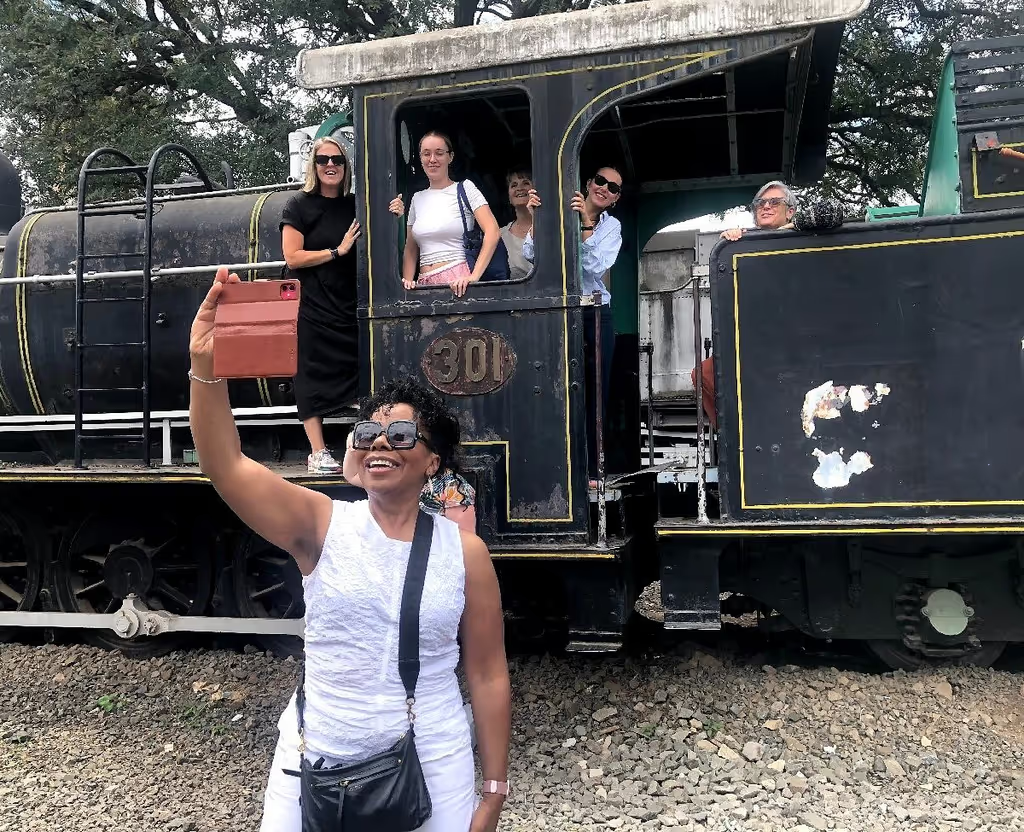
Designed for history and engineering enthusiasts, this specialist visit explores the machinery and rail lines that anchored Nairobi's founding as a railway depot.
- Duration: ~2.5 hours
- Price: From $49 per person
- Focus: Kenya’s railway engineering, historic locomotives (including Garratt engines), and modern rail infrastructure.
- Key Stops: KICC meeting point, main gallery historical archives & Tsavo lion claws, historic locomotive yard, and metre-gauge vs. standard-gauge comparison stations.
- Inclusions & Logistics: Specialist guide, museum entry fee, photography stops, and bottled water included (food, tips, and transport excluded). Meets at the KICC main entrance; private group up to 15.
Shifting tracks from historical locomotives to contemporary street transit, the next experience dives straight into Nairobi's famous commuter culture.
Matatu Culture Tour Experience with Esoyi N.

Blending a guided city walk with an inside look at Nairobi's legendary commuter culture, this immersive outing dives straight into the city's modern street energy and youth arts.
- Duration: ~5 hours
- Price: From $90 per person
- Focus: Nairobi’s decorated matatus, youth music, street slang, fashion, and central landmarks.
- Key Stops: City Market, Jivanjee Gardens, Jamia Mosque, Tom Mboya and Dedan Kimathi monuments, National Archives, Parliament buildings, and a local cultural rest stop.
- Inclusions & Logistics: Guide fee and matatu cultural transport fees included (tips and hotel pickup excluded). Starts at 8:00 AM; private group up to 10 with moderate walking.
Moving from high-energy street transit to artisan craft workshops, the final option focuses entirely on local shopping and markets.
Nairobi City, Crafts & Local Shopping with Lewis N.
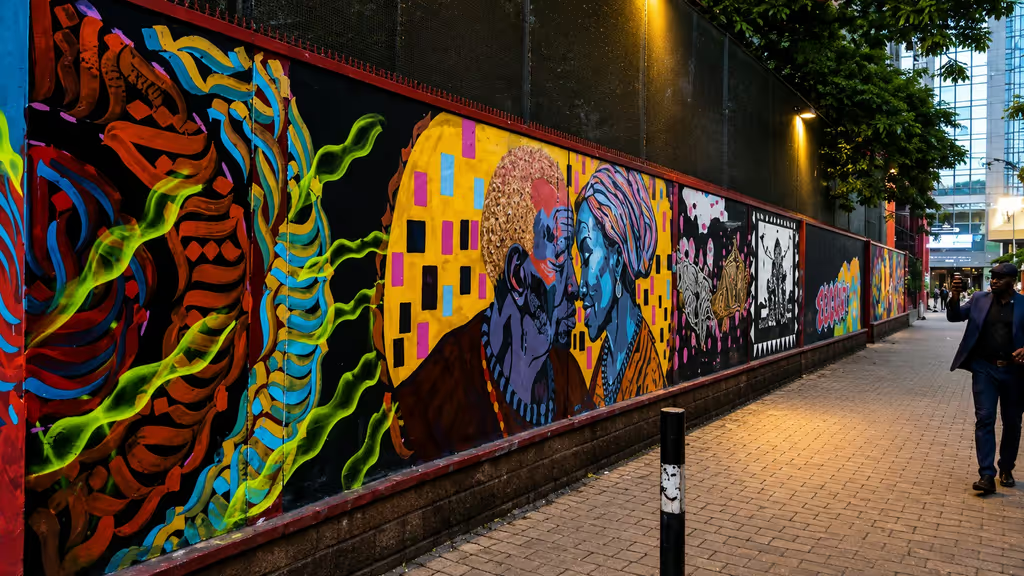
Tailored for visitors who want expert guidance while navigating local markets and artisan workshops, this walk emphasizes fair pricing, bargaining customs, and direct interaction with local makers.
- Duration: ~4 hours
- Price: From $52 per person
- Focus: Markets, craft spaces, handmade Kenyan products, local pricing, and bargaining customs.
- Key Stops: Central Nairobi markets, artisan craft stalls, local vendor spaces, and a neighborhood café or food spot.
- Inclusions & Logistics: Private local guide, walking tour, and cultural insights included (food, personal shopping, and museum entry excluded). Meets at the KICC main entrance; private group up to 15.
Connect with Lewis before booking the Nairobi City, Crafts & Local Shopping Tour to share your specific souvenir list and shopping goals.
Across the five tours, the best choice depends on what you want from the city. If you are unsure which fits, message a Nairobi-based private guide with your dates, group size, and interests, and they can suggest a route that works for you. To explore more of the capital’s calmer neighborhoods, green spaces, and creative hubs beyond the central business district, take a look at our broader Things to Do in Nairobi: A Calm, Local Guide to the City's Best Experiences.
Before you lock in a date with any guide, a quick checklist will ensure there are no surprises on the morning of your walk.
What to Check Before Booking a Nairobi Walking Tour

As our own customized three-hour walk proved, settling the practical details with your guide ahead of time removes guesswork and keeps you from having to figure out directions, transport, or extra costs on the street. Public tour listings serve as a starting outline rather than a rigid script, as meeting points, stops, and routes can vary depending on your group or local street conditions on the day.
Take it from us, a little checking before you book prevents most surprises once you arrive; therefore, review these details before confirming your walk:
- Meeting point and end point, so you know where to be and how you will get home.
- Duration and walking distance, including the pace the tour expects.
- Included landmarks and stops, so you know what the tour covers.
- Group size and language, particularly if you need a specific language.
- Entrance fees and extras, including what is covered and what you pay separately.
- Hotel pickup arrangements, which may not be included.
- Flexibility and changes, including what happens if conditions change or a route must be altered.
- Cancellation terms, so you understand your options if plans change.
Ask questions before you book. A good guide will be happy to explain their route and arrangements, and you should feel comfortable with the answers. Message a verified local guide directly so you can confirm inclusions, route flexibility, and return transport before booking.
With those practical questions answered, the final decision comes down to whether a walk through Nairobi city centre suits your trip.
Conclusion: Is Exploring Nairobi on Foot Safe for You?

When our group of seven first gathered on the steps of the Kenya National Archives at 8:30 a.m., we were weighed down by weeks of doom-scrolling, caught between red-flag government advisories and casual local reassurances. Stepping into the kinetic pulse of Moi Avenue alongside our local guide Sammy quickly cut through that digital noise. What we found wasn't a city to be feared, nor one to wander blindly, but a living, layered metropolis where basic, common-sense precautions and the right local context unlock a deeply rewarding day on foot.
Walking from colonial-era landmarks into the bustling rhythms of modern downtown showed us that Nairobi reveals its best self when you engage with it intentionally. Ultimately, whether exploring the CBD on foot makes sense for your itinerary comes down to a few key factors:
- Your Route & Timing: Choosing daylight hours and sticking to busy, pre-planned streets rather than quiet side lanes.
- Your Daily Habits: Keeping phones and valuables out of sight while staying alert in crowds.
- Current Conditions: Checking official travel advice and local news on the morning you head out.
- Your Travel Style: Deciding whether you prefer navigating independently or walking with a local who knows the streets and their history.
One morning starting on Nairobi’s Moi Avenue didn't settle the safety question for all of Nairobi, nor would we pretend it could. What it did was replace vague, online anxiety with lived clarity, showing us which streets hum with daytime energy, which street-smart habits actually matter, and what East Africa's economic hub looks like when it's simply going about its day. Truly understanding a place takes more than reading headlines, and walking those blocks beside someone who knew their history made all the difference.
If you're ready to trade first-time uncertainty for a well-planned walk, take a moment to compare Nairobi private tours and message a verified local guide who can tailor a route to your dates, pace, and interests.
With a little preparation and the right awareness, Nairobi’s centre isn't just walkable; it's one of the most rewarding ways to experience the city firsthand.
Frequently Asked Questions
Is Nairobi CBD safe for tourists during the day?
For most visitors, yes, provided you take basic precautions. Many travellers explore Nairobi without serious issues, though petty theft and occasional disruptions from demonstrations are real risks. Stick to busy, well-known streets, plan your route in advance, and check official travel advice before your dates.
Is it safe to walk alone or at night in Nairobi?
Walking alone is fine on busy daytime routes you know well, but you should avoid unfamiliar areas, isolated streets, or active demonstrations. After dark, walking carries much higher risk; arranging a taxi or app-booked ride in advance is the safer choice for most visitors.
What should travellers avoid in Nairobi CBD to protect their valuables?
Avoid displaying phones, cameras, jewellery, or cash in public, and steer clear of quiet detours and large political gatherings. Keep your phone zipped away when you aren't using it, carry only the cash and cards you need for the day, and leave expensive jewellery at your accommodation.
Is it better to walk or take a taxi around Nairobi CBD?
For short distances along busy streets in daylight, walking works well. For longer stretches across town, after dark, or whenever there is traffic disruption or unrest, booking a taxi or ride-hailing car is usually the better option.
Is a private walking tour in Nairobi worth it?
It can be, especially for first-time visitors, travellers on a tight schedule, or anyone interested in local history and street culture. A verified local guide brings route knowledge, context, and smoother navigation, though a guide provides local awareness rather than a guarantee of security.