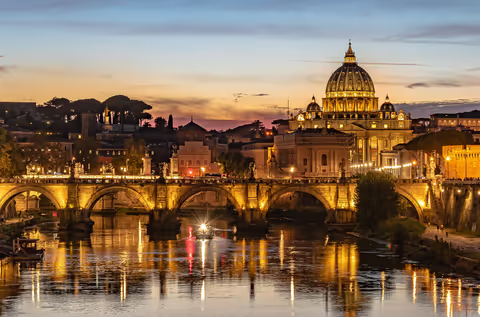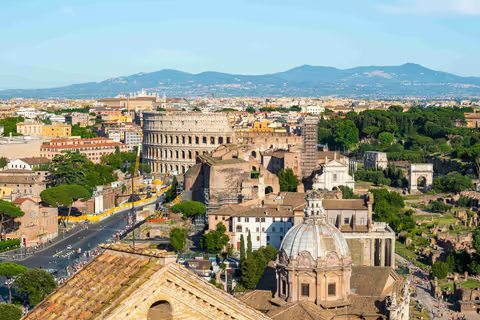

Picture two travellers from Ohio standing in Piazza Navona on the evening of December 23, one holding a paper cone of roasted chestnuts, the other checking whether the Vatican is open the next morning. Christmas in Rome can be one of the most memorable holidays you'll ever have, but the same city can also leave you with closed doors and a long walk you hadn't planned for.
This guide helps you tell those two experiences apart before you book, covering which parts of the season suit your group, which days need extra planning, and how private Rome tours can be shaped around holiday hours. Before getting into schedules, let's look at whether Rome is the right fit for your Christmas trip.
Is Christmas in Rome Worth Visiting?
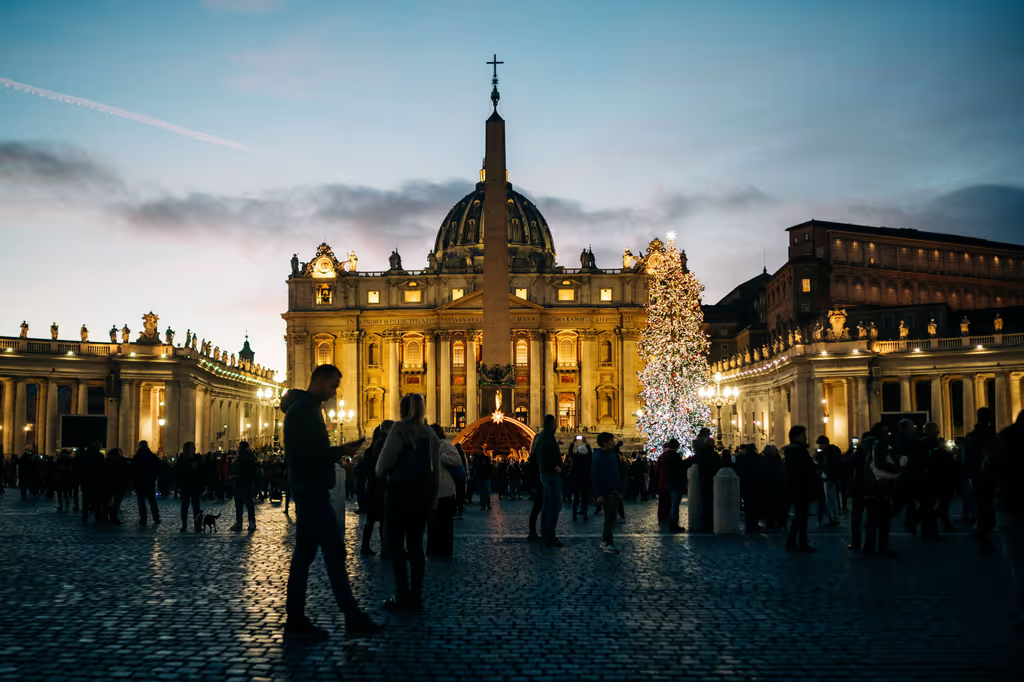
Christmas in Rome is a rewarding trip for the right traveller, though its appeal lies less in sleigh bells and more in the city's religious and cultural life. The Vatican sets up its tree and nativity scene in St Peter's Square, churches across the centre hold Masses and display presepi, and the historic piazzas take on a softer, slower rhythm. Beyond browsing the stalls, you can watch the Pope's Christmas blessing, step inside quiet churches, and sample seasonal sweets such as torrone and panettone from local bakeries. Anyone expecting a Germanic-style market experience may be disappointed, because Rome's version is smaller, more local, and closely tied to religious tradition.
How well the season fits depends largely on who is travelling:
- Couples who enjoy cities and food: Tend to love the glowing streets, relaxed evening walks, and festive restaurant atmosphere on December 24.
- Multigenerational groups: Often appreciate the religious services, historic nativity displays, and unhurried daytime pace.
- Families with younger children: Can enjoy the street lights and Piazza Navona's Befana market, provided they plan around holiday closures and early bedtimes.
- First-time visitors: Should expect to check off fewer major landmarks than on a regular trip, particularly around December 25.
The key distinction is between visiting Rome in December and being in the city on Christmas Day itself. The wider December season offers plenty to see and do, while December 25 is noticeably quieter with many major sights and shops closed. If you are weighing which experiences fit your group's pace, comparing private tours in Rome can show how local guides structure a winter day, and once you know the season suits your trip, the next step is deciding what to put on your schedule.
Best Things to Do in Rome at Christmas
Rome's Christmas highlights are scattered across the historic centre and Vatican rather than clustered in one single festival, ranging from open-air stalls and civic lights to quiet church displays and seasonal tables. Because each one delivers a very different atmosphere and different crowd levels, a little planning goes a long way toward picking what fits your trip. The main experiences to weigh include:
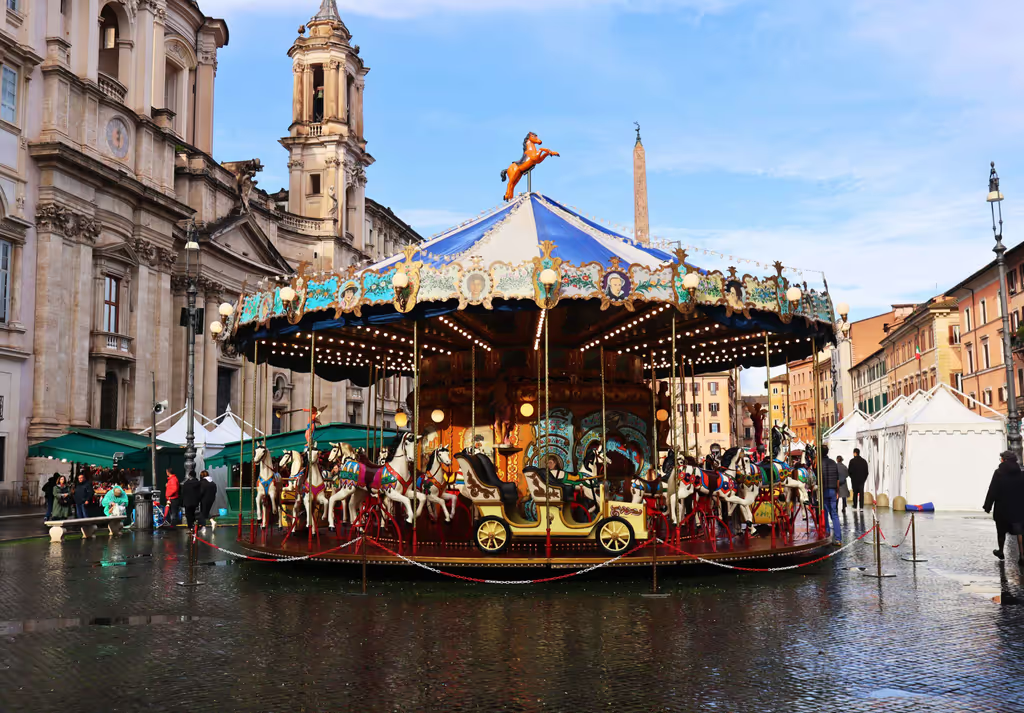
- The Piazza Navona Christmas market. This is the best-known seasonal event in Rome, and it is nothing like a Munich or Vienna market. The stalls sell nativity figures, sweets, toys, and the Befana-themed decorations linked to the Epiphany tradition. The square is framed by Bernini's Fountain of the Four Rivers and the baroque church of Sant'Agnese, so the setting does much of the work. Plan an hour or two to wander, and go in the early evening when the lights come on. Weekends get crowded, so a weekday visit feels more relaxed.
- The St Peter's Square tree and nativity. The Vatican's Christmas tree and nativity scene stand in St Peter's Square and cost nothing to see. The square is busy throughout the season. It is worth visiting once during the day and once in the evening, because the atmosphere changes noticeably. The Vatican typically unveils and lights the tree in early to mid-December; verify the exact 2026 ceremony date on the official Vatican schedule before you travel.
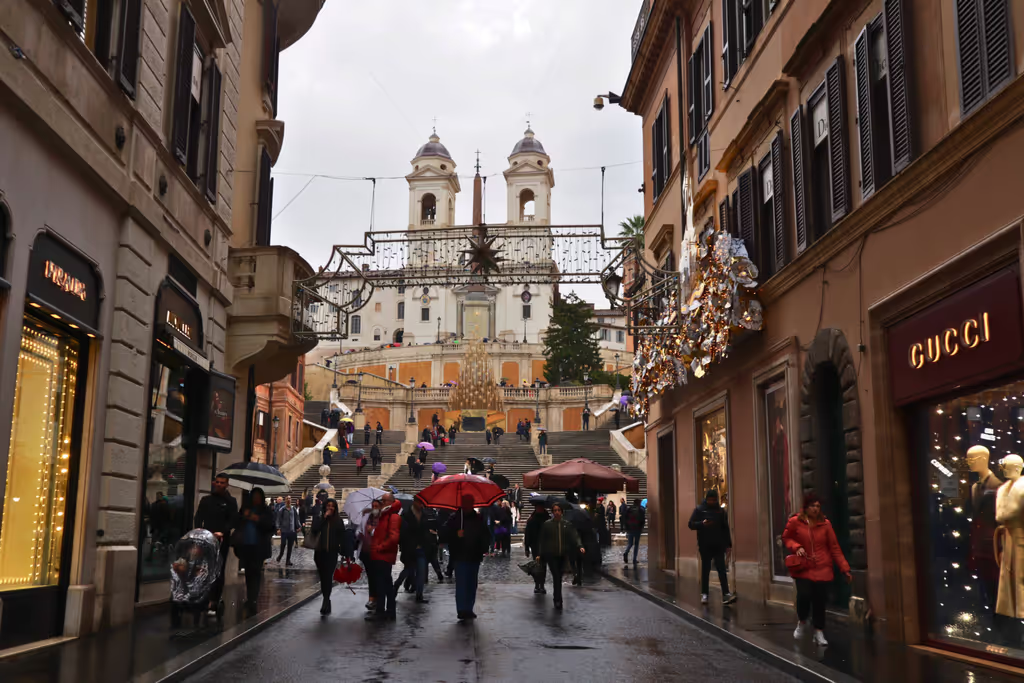
- The illuminated streets. The centre's main streets, particularly the routes around Via del Corso and the Trevi Fountain, are decorated during the season. Walking after dark is one of the best ways to experience the city at this time of year. Bring a warm layer, because December evenings are cold and damp.
- Traditional nativity scenes. Many of Rome's churches display presepi, some of them elaborate and historic. Santa Maria in Aracoeli on the Capitoline Hill and the churches around Trastevere are good places to look. Seeing these quietly is a different experience from the markets, and many travellers find them more memorable.
- Festive food and concerts. Bakeries sell panettone and pandoro, and many restaurants offer holiday menus, especially on December 24 and 31. Some churches stage concerts through the month, but the schedules change every year, so check current listings before you go.
One tip matters more than any other here: a standard sightseeing tour will not automatically include the lights, the markets, or the seasonal events, so ask what is included before you book anything. If you want to weave several of these stops into a single afternoon, private guides in Rome can help shape a route around landmarks, neighbourhoods, and local culture, and once you know what you want to see, the next step is timing your visit around the season's shifts.
When Is the Best Time to Visit Rome at Christmas?
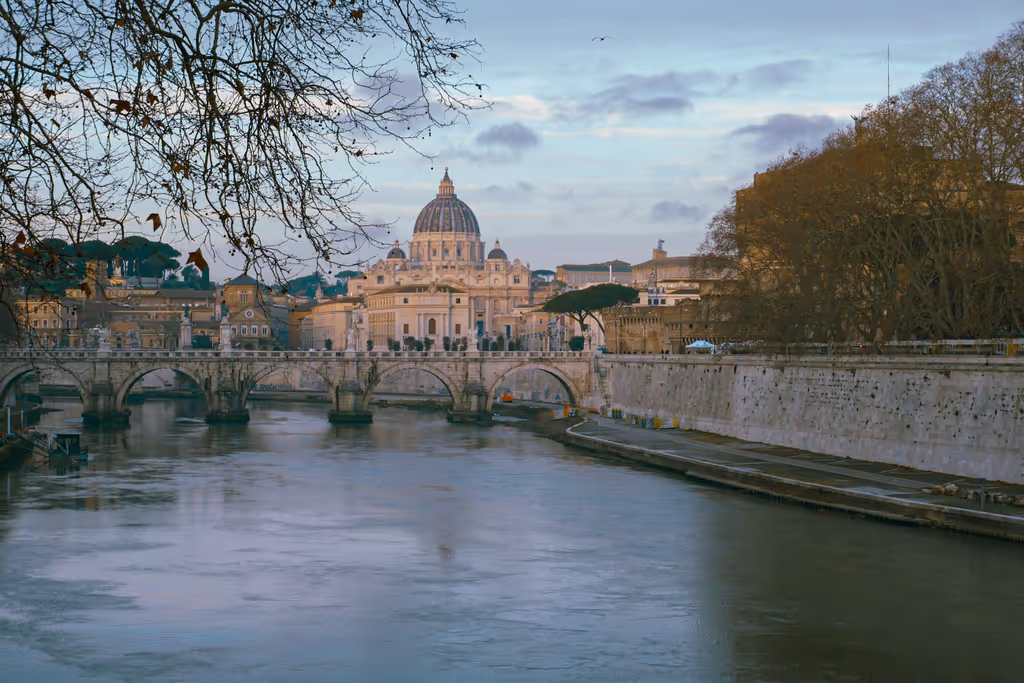
Rome's holiday season is not a single uniform stretch, because crowds, decorations, and attraction schedules shift noticeably from week to week. Choosing the right window comes down to balancing festive atmosphere against museum closures and peak-season foot traffic. The main phases of the calendar break down as follows:
- Before December 8. This is the quietest period. The city is still preparing, lights are still going up, and the Vatican is less crowded. Hotels may be more affordable, and you can see major sights with shorter queues. The trade-off is that the festive mood is still building.
- December 8 to the weeks before Christmas. The Immaculate Conception on December 8 marks the start of the season for many Romans. From here, the markets open, the lights switch on, and the centre feels festive without the heaviest crowds. For most visitors who want atmosphere without the Christmas-week rush, this is the sweet spot.
- Christmas Eve and Christmas Day. This is the most distinctive and most complicated part of the season. On the 24th, restaurants fill with families, churches hold evening Masses, and the streets stay lively late. On the 25th, many museums and shops close, the city goes quiet, and public transport runs on reduced timetables. Most visitors spend the day at St Peter's Square or in calmer neighbourhoods.
- Between Christmas and New Year. The 26th is St Stephen's Day, and many attractions stay closed. Shops and restaurants gradually reopen, and the city is busy again by the 27th. The days up to New Year's Eve suit relaxed walks and visits to the markets, which remain open.
- Epiphany and the Befana tradition on January 6. The season closes with the Befana, a kindly witch who brings gifts to children. The Befana market in Piazza Navona and the closing celebrations draw large crowds. Some attractions may be closed or on reduced hours, so check before you plan a full day.
Before you settle on dates, message a guide about availability for the period you're considering. Ask how they plan a day around holiday hours and which dates they operate.
Knowing the calendar helps you choose a date, but it also shows where things tend to go wrong. The next section covers those problems and what you can do about them.
What Can Go Wrong When Visiting Rome at Christmas (And How to Avoid It)
Most holiday hiccups in Rome catch travellers off guard, not because the city is chaotic, but because festive schedules, shorter winter days, and crowd surges alter everyday routines. Planning around those friction points before you arrive saves you from wasted transit and last-minute scrambling. The main pitfalls to watch for include:
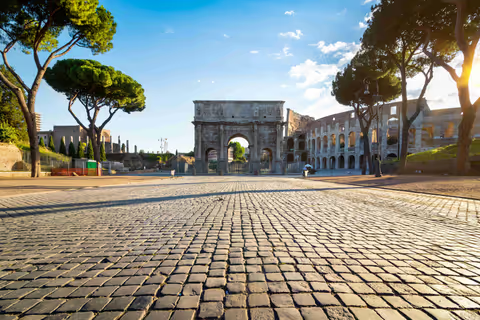
- Attractions closing on Christmas Day. The Vatican Museums and the Sistine Chapel close on December 25 and 26. Many Italian state museums, including the Galleria Borghese and Castel Sant'Angelo, are normally closed on the 25th too. Check each attraction's holiday hours and build flexibility into your plan. Confirm the Colosseum and Roman Forum hours separately, since they can change.
- Confusion about Vatican access. St Peter's Basilica is generally open on Christmas Day, but access can be restricted during services. The Christmas Eve Mass requires a free ticket, requested in advance from the Prefecture of the Papal Household, and tickets are limited. Don't assume you will get in. Plan for the possibility of watching from St Peter's Square on the big screens. The Urbi et Orbi blessing at noon on December 25 needs no ticket, but the square fills up quickly.
- Crowds at the main festive locations. Piazza Navona, St Peter's Square, and the Trevi Fountain are busiest in the evenings and on weekends. Visit early in the day or after dinner, and avoid building your 24th around these spots.
- Restaurant reservations and holiday dining. Restaurants fill fast on December 24 and 31, and some close on the 25th. Book at least a week ahead for the 24th and confirm the place is open. Many Romans eat late, so 8 pm and after is normal.
- Public transport and taxis. Services run on reduced timetables from December 24 to 26. Metro trains may be less frequent, and taxis are harder to find on the 25th. Walking is often the most reliable way to move around the historic centre, though it takes longer than the map suggests.
- Walking distances, weather, and daylight. Sunset comes early in December, often before 5 pm. Expect cold, wet weather and cobbled streets that are hard on the feet. Pace your day, wear waterproof shoes, and schedule outdoor sightseeing for daylight.
A guide who has worked the holiday period can tell you how they handle closures, queues, and transport on the day. Message a verified local guide with your dates and ask them directly.
Practical problems are easier to avoid when you know exactly what is open, which is where the next section starts.
What Is Open in Rome on Christmas Eve, Christmas Day, and December 26?
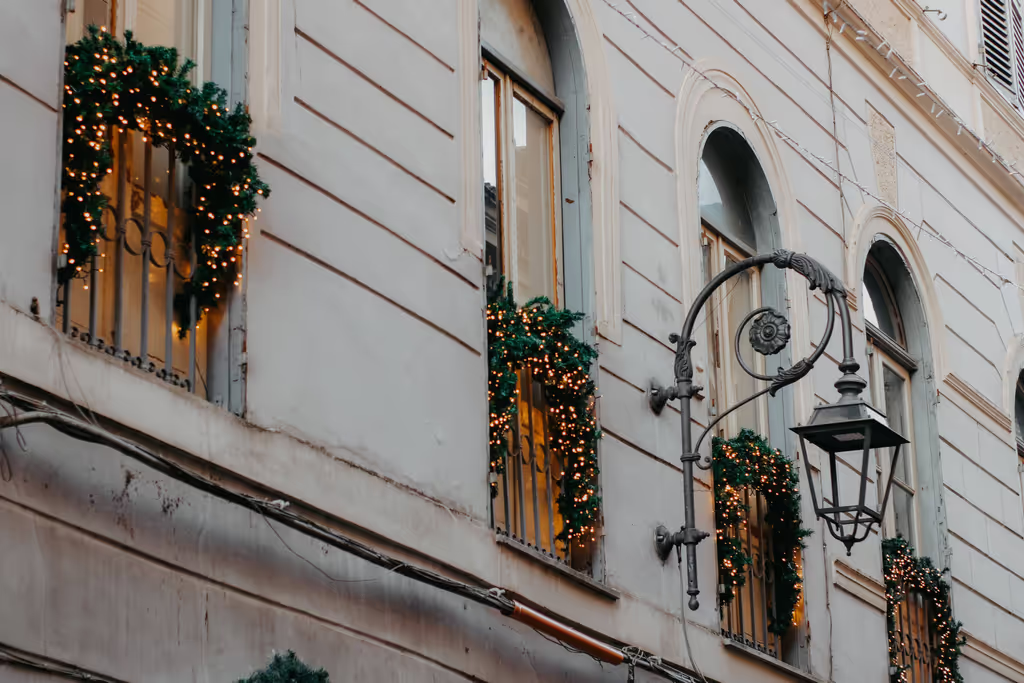
Each of these three holiday dates follows a distinct rhythm, with hours shifting across museums, shops, churches, and restaurants rather than shutting everything down uniformly. Treating them as separate planning days keeps you from building an itinerary around a closed attraction or an empty restaurant list. Here is how each day typically plays out:
- Christmas Eve (December 24). Many shops and restaurants keep shorter hours, and some museums close early. The city's main event is the evening Mass in St Peter's Basilica. Sources report different start times, so confirm the Vatican's official schedule before you plan. Other churches, including the Pantheon and Santa Maria Maggiore, also hold Christmas Eve services, but availability and ticketing vary, so check each church's website. Restaurants are busy, so book early.
- Christmas Day (December 25). This is the quietest day. The Vatican Museums and the Sistine Chapel are closed, and most state museums and many shops are closed as well. St Peter's Basilica is generally open, though access may be restricted during services. The Pope gives the Urbi et Orbi blessing at noon from the central loggia of St Peter's Basilica, and St Peter's Square is the place to be. A few restaurants open for lunch, but the choice is limited, so don't count on a casual meal in the centre.
- December 26 (St Stephen's Day). The Vatican Museums stay closed, and many attractions remain shut. Some shops and restaurants reopen, and the city slowly returns to normal. This is a good day for a relaxed walk through the historic centre, a visit to a church, or a stroll along the Tiber.
For all three days, confirm opening hours with each attraction directly. Holiday schedules are often announced close to the date and can change without much notice.
With the closures understood, the next challenge is putting sights into a workable route.
How to Plan a Christmas Itinerary in Rome
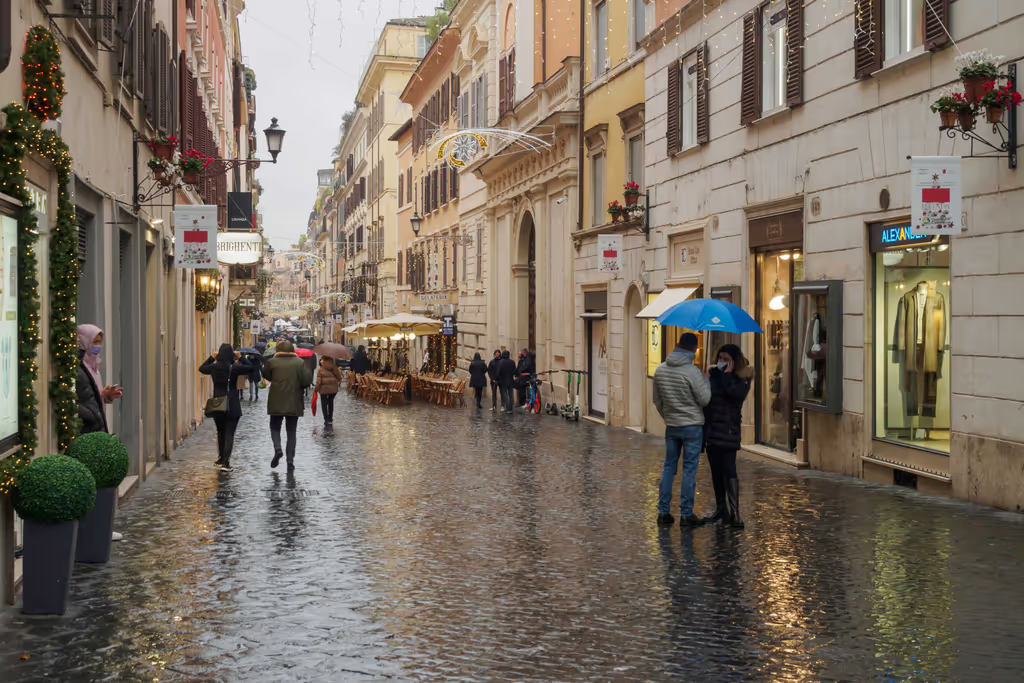
Rome rewards planning by neighbourhood, especially in December when shorter daylight hours and holiday closures punish zigzagging across the city. Trying to cover the Colosseum, the Vatican, and Trastevere in one afternoon will leave you exhausted and disappointed, whereas grouping nearby stops keeps walking manageable and leaves room for weather and crowds. These practical routes and pacing options give you a starting point:
- The historic centre walk (half a day). Start at Piazza Navona, where the market and Bernini's fountain sit side by side. From there it is about five minutes on foot to the Pantheon, so check its holiday hours before you go. Continue along the narrow streets toward Campo de' Fiori, then the Jewish Ghetto and Tiber Island. The route is compact and mostly flat, which makes it a good choice for the 26th or a late December afternoon.
- The Vatican and Christmas traditions route (one full day). Arrive at St Peter's Square early to see the tree and nativity before the crowds build. Visit St Peter's Basilica if it is open and not restricted, then climb the dome if you want to see the tree from above. If you're there on the 25th, be in the square for the noon blessing and keep the afternoon for a quieter walk. Skip the Vatican Museums on the 25th and 26th.
- The evening lights and market route (two to three hours). Head to Piazza Navona in late afternoon, when the lights come on. Walk through the streets around the Pantheon and along the illuminated shops on Via del Corso, then finish with dinner in the centre or in Trastevere. Trastevere is a short taxi ride across the river and makes a good setting for a relaxed meal.
- A family-friendly itinerary. Younger children tire quickly on long walks. Start with the Piazza Navona market in the afternoon, when children can enjoy the stalls and the carousel if it is running. Give the next day to one major site, such as the Colosseum (check the holiday hours first), and leave room for a playground, gelato, and an early dinner.
- How many days to allow. Three to four days covers the highlights without rushing, provided you spread the Vatican and central sights across different days. Two days works if you focus on the centre and the markets. Five or more days allow slower exploration of neighbourhoods such as Trastevere and Monti, and room for a day trip.
Treat these routes as flexible templates rather than rigid checklists, since holiday hours, rain, and crowd levels can shift how fast you move. If you share your group size, pace, and walking comfort with a private Rome guide, they can help tailor a route around your exact dates, and once you have a rough route in mind, the next question is how to get around and whether a guided tour makes sense.
How to Choose the Right Christmas Tour in Rome
Guided tours can take plenty of friction out of a December trip, but only when their format and scope match both your group's energy and Rome's holiday realities. Because a standard sightseeing route is not automatically a seasonal experience, weighing movement style, geography, and focus upfront keeps you from booking something ill-suited to cold weather or holiday hours. The main tour dimensions to compare include:
- Walking, cycling, or driving. Walking tours suit a compact historic-centre visit and let you stop at markets and churches. E-bike tours cover more ground, which helps if your sights are spread across the centre, but they need a reasonable level of fitness and comfort on a bike in cold, wet weather. Driving tours suit travellers with limited mobility or trips beyond the centre, where distances are longer, and public transport is thinner over the holidays.
- Central sightseeing or beyond the historic centre. Central tours cover the landmarks you'll recognise. Tours beyond the centre, such as the Appian Way or the countryside parks, offer a different perspective with fewer people, but they take longer and depend more on the weather.
- Cultural or food-focused tours. A cultural tour focuses on history, architecture, and religion. A food tour introduces local flavours, which fit neatly with Rome's seasonal bakeries and restaurants. Check whether a tasting is a full meal or a series of small bites.
Before you book, confirm the following:
- Whether the tour runs on the exact dates you plan to visit, especially December 24 to 26.
- Whether the route can be adjusted for your interests and pace.
- Walking or cycling requirements, and any physical limitations to consider.
- Group size limits and whether the guide can take your party.
- What is included, such as tastings, transport, and entrance fees, and what isn't.
A listing description only tells you so much about how a day will actually run in December, so asking direct questions about holiday schedules and seasonal inclusions is usually the quickest way to judge fit. Once you narrow down a few options, messaging a guide with your dates and requirements before booking helps confirm whether the tour matches your plans, and looking at a few concrete examples next is one practical way to see how those choices play out.
Recommended Private Tours in Rome
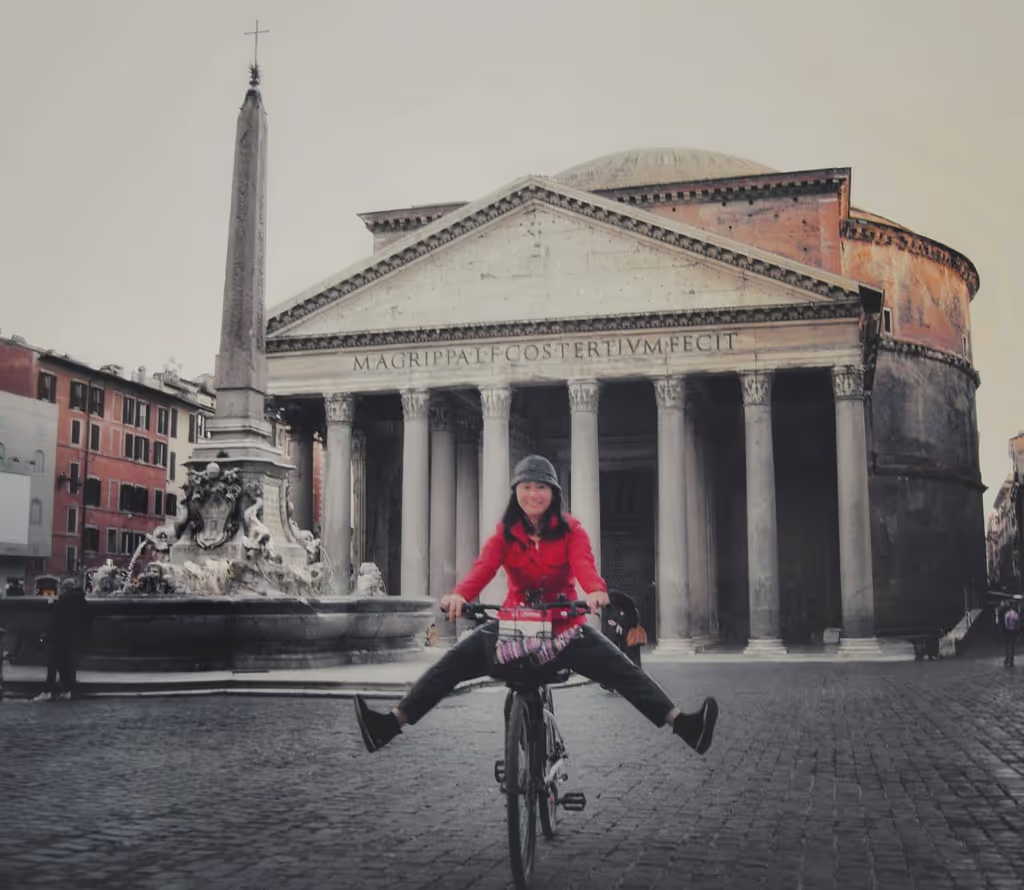
While most private tours in Rome operate year-round rather than as fixed holiday packages, local guides can adjust their routes around December lights, open churches, and holiday hours. The private tours below pair well with a winter itinerary; message the guide before booking to confirm holiday availability and seasonal adjustments.
Rome by E-Bike: The Guided Tour of the City Centre
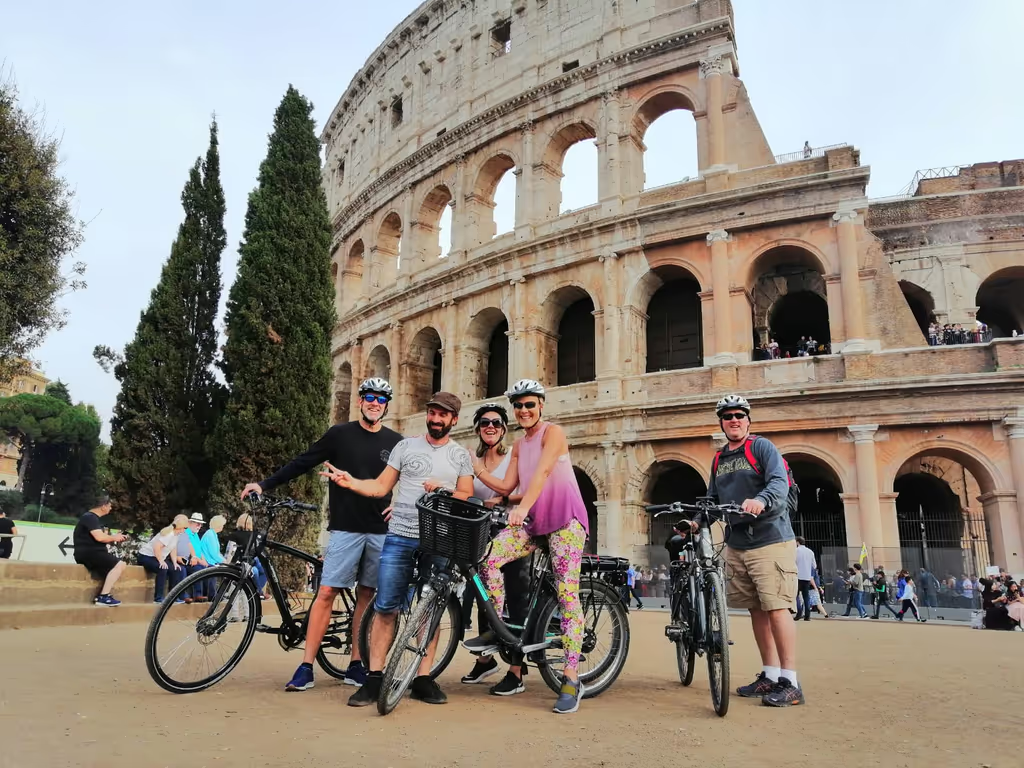
Cover far more of Rome in a single morning than you could on foot, riding with a top-rated local guide who can adjust the route around winter opening hours and festive stops.
To see how this morning circuit fits your schedule, the key tour details break down as follows:
- Tour type: Private e-bike sightseeing tour of the historic centre (up to 15 guests).
- Area: River Tiber cycle path, Tiber Island, Circus Maximus, Colosseum, Piazza Venezia, Jewish Ghetto, Campo de' Fiori, Piazza Navona, Castel Sant'Angelo, St. Peter's Basilica, Pantheon, Trevi Fountain, Spanish Steps, and Piazza del Popolo.
- Best for: First-time visitors, couples, and active families who want to see Rome's major landmarks in one morning and keep the afternoon free for the Piazza Navona market or St. Peter's Square.
- Duration: 4 hours (9:30 AM to 1:00 PM).
- Price: From $75/person.
If you want to pair landmark riding with local flavours rather than covering central sights on their own, the next option shifts the focus toward food.
Pedal and Taste: Top Five Tastings of Rome by E-Bike
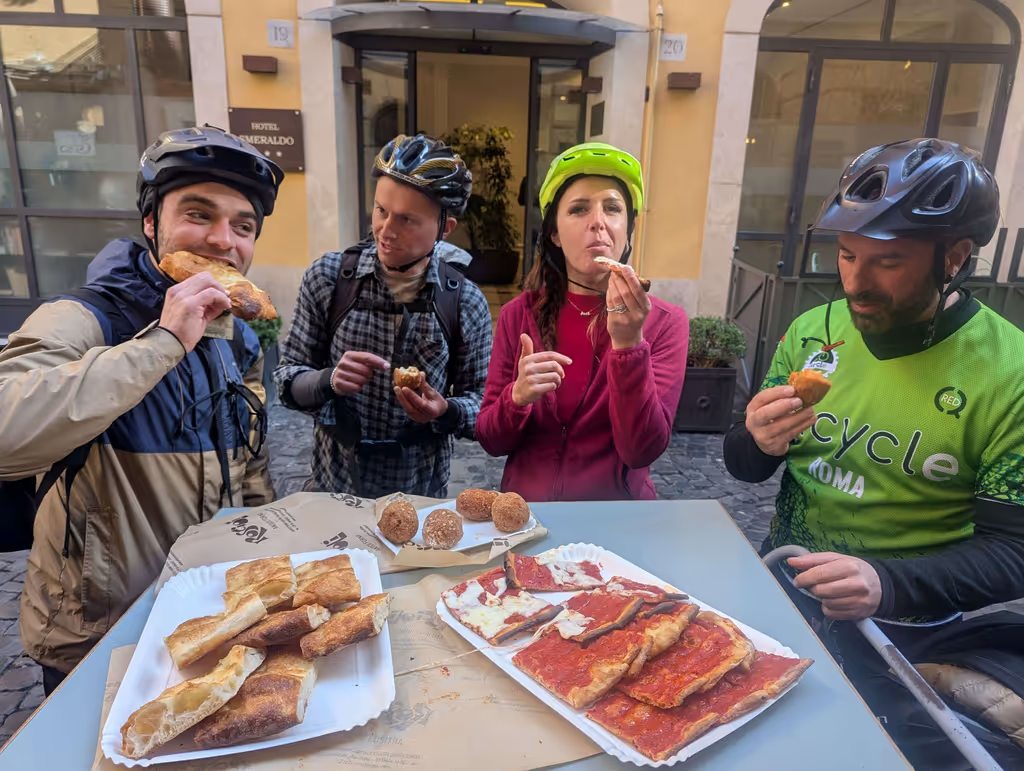
Combine iconic Roman landmarks with traditional street food bites such as supplì and maritozzo on a private e-bike ride tailored to your pace and seasonal plans.
The details below show how this food-and-sightseeing ride is set up before you book:
- Tour type: Private e-bike food and sightseeing tour (up to 15 guests).
- Area: River Tiber cycle path, Tiber Island, Piazza Venezia, Jewish Ghetto, Campo de' Fiori, Trastevere, Piazza Navona, Pantheon, Spanish Steps, and Piazza del Popolo.
- Best for: Food lovers, couples, and travellers who want to pair landmark riding with Roman tastings and keep the afternoon open for holiday markets or winter strolls.
- Duration: 4 hours (9:30 AM to 1:30 PM).
- Price: From $85/person.
Both of those routes stay close to the historic core and its busy squares, whereas a third option heads north for a quieter pace.
Unexpected Rome by E-Bike: Villa Borghese, Villa ADA and Coppedè
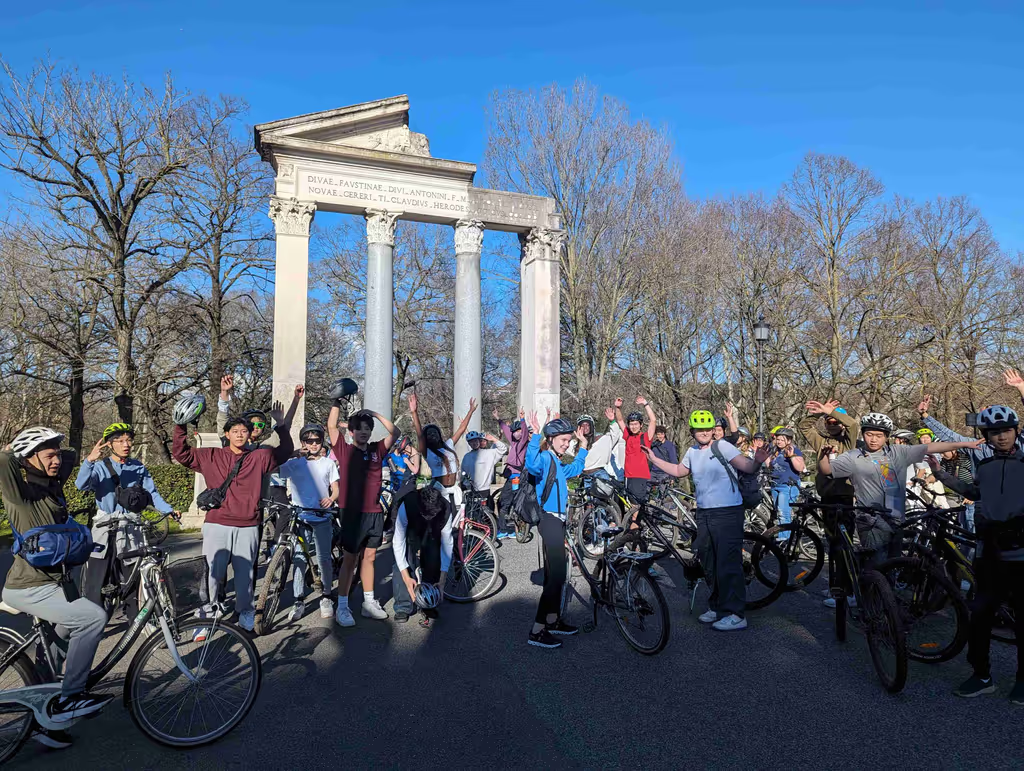
Swap crowded central squares for lush parklands and eclectic architecture on a private e-bike ride through a quieter, lesser-known side of Rome.
Here is how this northern route shapes up if you want a calmer holiday outing:
- Tour type: Private e-bike art, culture, and historical tour (up to 15 guests).
- Area: Villa Borghese, Villa Ada, and the Coppedè district in northern Rome.
- Best for: Repeat visitors, architecture fans, and travellers who want a calmer contrast to Piazza Navona and St. Peter's Square during a busy holiday trip.
- Duration: 3 hours 30 minutes (9:00 AM to 12:30 PM).
- Price: From $79/person.
Because availability varies between December 24 and 26, compare different private tour formats such as walking or driving routes and message your preferred guide to confirm holiday hours before you commit. This will help you to confirm your dates, route preferences, and any accessibility needs. That single conversation will tell you whether a tour fits your plans.
With tour options weighed against your calendar, it helps to step back and pull the whole winter trip into focus.
Make the Most of Your Christmas Visit to Rome
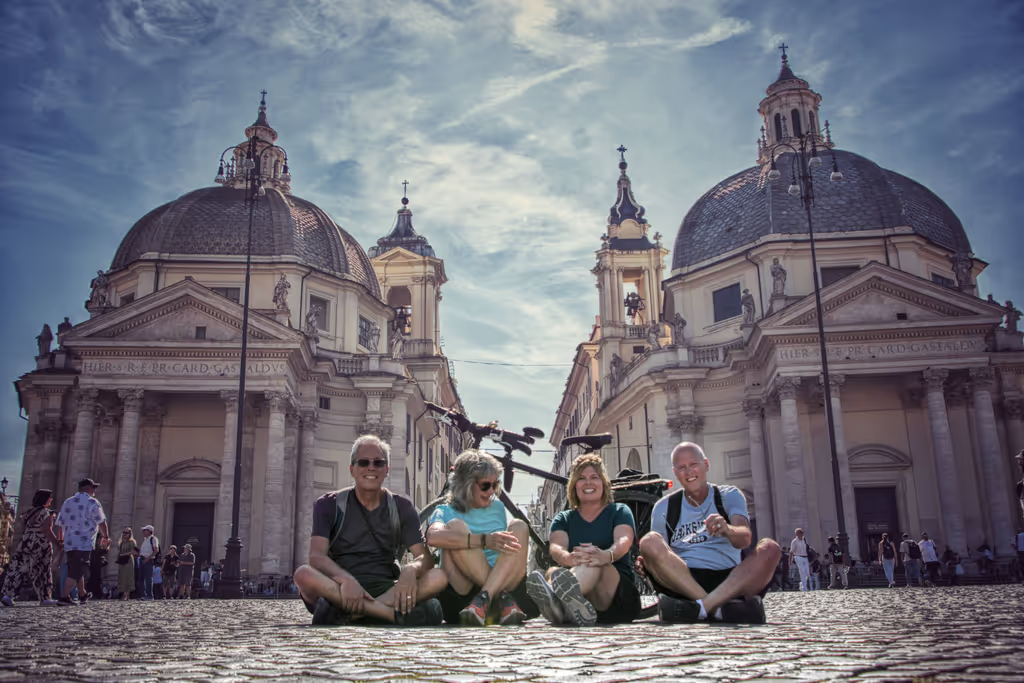
A memorable Roman Christmas comes down to deliberate choices rather than trying to do everything, much like deciding whether your evening ends with roasted chestnuts in Piazza Navona or a morning check on closed doors at the Vatican.
The best Christmas trips to Rome start with a clear sense of what you want most, whether that is markets, the Vatican, quiet churches, seasonal food, or a slower pace, and pair those priorities with realistic dates. A few practical habits keep the whole trip steady:
- Match interests to the right dates: Focus on what your group values most rather than chasing every major sight, as week-to-week crowds and opening schedules shift sharply through December.
- Treat December 25 as a reset day: Expect much of the city to slow down or close on Christmas Day, and build quieter walks, church visits, or unhurried meals around that pause.
- Plan around daylight, weather, and pace: Keep routes compact so short winter afternoons, damp cobblestones, and holiday transport shifts do not wear your group out.
- Confirm key details early: Double-check holiday hours, church ticketing rules, and dinner reservations ahead of time instead of assuming standard schedules.
When the planning starts to feel like a lot, a private guide can turn scattered ideas into a workable itinerary. Talk through the route, the walking distances, and the group's pace, and ask which parts of the season suit your plans.
Ready to plan your holiday route with local support? Explore private Rome tours and message a local guide before your trip to confirm availability and shape the day around your group.
A private Christmas tour in Rome gives you the flexibility to adjust around holiday closures, winter weather, and your group's exact pace.
Frequently Asked Questions About Christmas in Rome
Is Rome worth visiting at Christmas?
Yes, for travellers who want religious traditions, historic piazzas, and seasonal food. It suits people less well if they expect a Germanic-style market or need every museum open on the holidays.
What are the best things to do in Rome at Christmas?
The Piazza Navona market, the St Peter's Square tree and nativity, the illuminated centre in the evening, churches with nativity scenes, and the Christmas Eve atmosphere in restaurants are the highlights.
When does the Piazza Navona Christmas market open?
Rome's Piazza Navona Christmas market traditionally opens in early December (the 2025-2026 edition ran from December 1 to January 6) and concludes on Epiphany, January 6. Check the Comune di Roma's official holiday calendar for exact 2026-2027 opening dates before you travel.
What is open in Rome on Christmas Day?
Most major attractions are closed. St Peter's Basilica and St Peter's Square are generally open, though services can restrict access. Many restaurants are closed, so reserve early for any meal.
Can you visit the Vatican at Christmas?
You can visit St Peter's Basilica and St Peter's Square. The Vatican Museums and the Sistine Chapel are closed on December 25 and 26.
Can tourists attend Christmas Eve Mass in St Peter's Basilica?
Yes, but tickets are free and limited, and they must be requested in advance from the Prefecture of the Papal Household. Without a ticket, you can follow the service on the large screens in St Peter's Square.
Does Rome have Christmas lights?
Yes. The centre's main streets and squares are illuminated during the season, and the evenings show them best.
Is Rome crowded during Christmas?
The busiest times are the evening of December 24 and the weekends before Christmas. Early mornings and weekdays are noticeably calmer.
Does it snow in Rome in December?
Snow is rare in the city. Expect cool, damp weather with occasional rain.
How long should you stay in Rome over Christmas?
Three to four days works well for most travellers. It gives you time for the Vatican, the centre, and the markets without rushing, and it spreads the holiday closures across your visit.