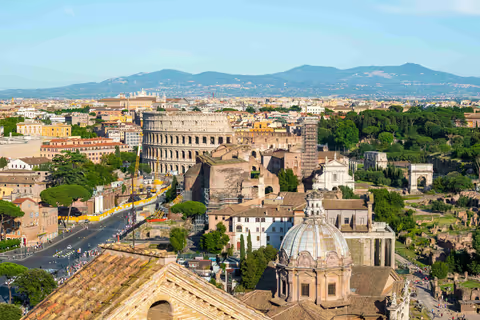
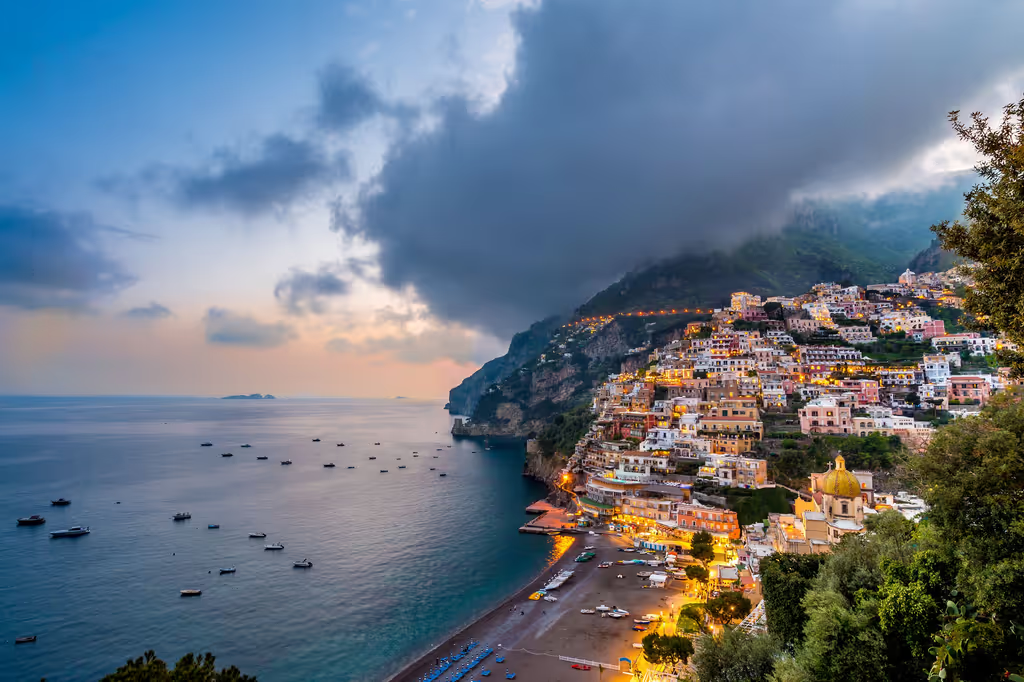
Watching the departures board at Roma Termini update its numbers brings a sudden realization: years of dreaming about Italy eventually reduce to a platform choice and a train schedule. High-speed rail cuts across the Italian landscape with incredible precision, moving travelers between major metropolitan hubs in comfort. Yet that very efficiency creates a compelling dilemma for anyone weighing the cost of private transport against the rail system. Between cultural epicenters like Rome, Florence, and Venice, fast trains are effortless and remarkably affordable. A dedicated vehicle must earn its keep elsewhere along the narrow cliffside bends of the Amalfi Coast, through the elevated wine country of Chianti, or on transfer days heavy with luggage and fixed departure windows.
Choosing between the tracks and a dedicated driver relies on a clear operational contrast: high-speed rail dominates point-to-point transit across flat, direct terrain, whereas a private vehicle takes over the moment regional connections grow complex, crowded, or geographically fragmented.
Evaluating the main Italian transit corridors requires weighing speed against group dynamics and route logistics:
- Rome to Florence: High-speed rail covers the distance in roughly 1 hour 25 minutes to 1 hour 30 minutes, with tickets spanning $16 to $82 (€15 to €75) per passenger based on booking speed.
- Rome to Amalfi Coast: A private driver charges $1,100 per group (up to 6 passengers) for a full 7-hour minivan transfer that includes a two-hour exploration stop at Pompeii.
- Naples to Amalfi Coast: Private transfers start at $300 per group ($320 for 2 adults) for a 4-hour door-to-door run with optional stops at historical sites or Vesuvius vineyards.
- Florence to Siena & San Gimignano: Dedicated vehicles run $950 per group (up to 7 passengers) for an 8-hour regional excursion into Tuscan hill towns.
- Venice to Verona: Chauffeured minivans cost $800 per group (up to 8 passengers) for an 8-hour customized day trip across Veneto.
Understanding how local transport choices function helps strip away the guesswork when mapping out a complex multi-city itinerary. Italian private transport options range from basic chauffeured cars to experienced driving-guides who offer rich regional insight along the route. If your itinerary involves tight train connections or navigating coastal drops with heavy suitcases, checking tailored airport transfers helps confirm exact pickup timing and vehicle sizes before committing to a route.
To make sense of where a private vehicle creates real value, establishing how high-speed rail operates at its peak performance reveals where the tracks end and where road transport takes control.
Where the Fast Train Ends: Rome, Florence, and Venice Are Easy; Amalfi and Chianti Are Not
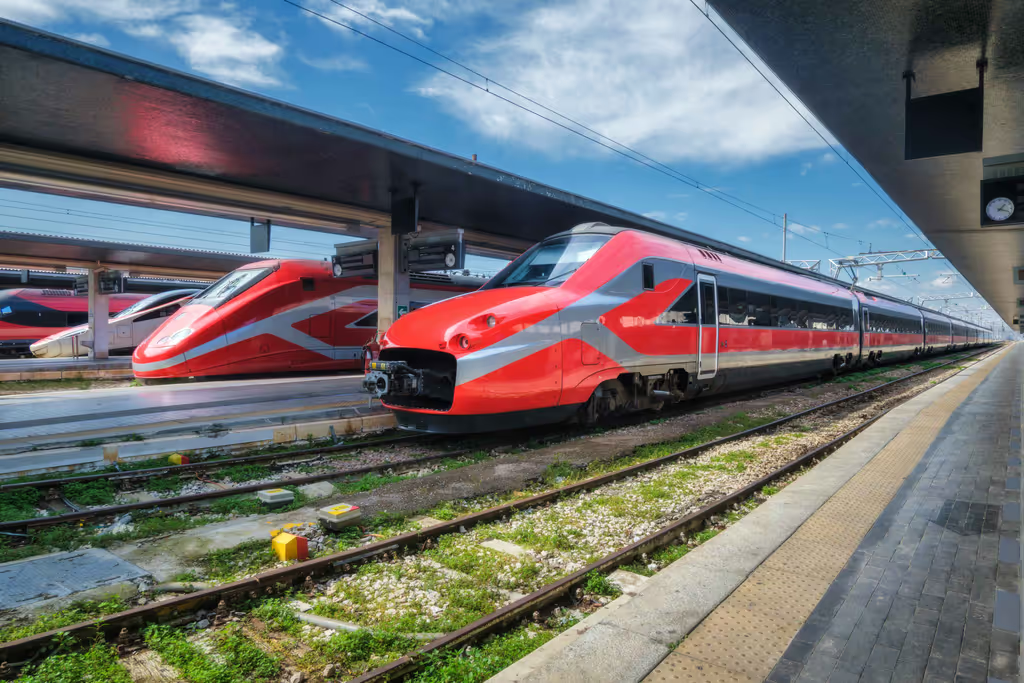
Major Italian cities sit on a high-speed rail spine that completely changes the logic of getting around. Boarding a Frecciarossa or Italo train at Roma Termini puts you at Firenze Santa Maria Novella in about 1 hour 25 minutes to 1 hour 30 minutes, gliding straight from historic center to historic center. Driving that same 280-kilometer (174-mile) stretch takes roughly 3 hours behind the wheel, costs about $27 (€25) in highway tolls, and ends with the stress of navigating Florence's restricted traffic zones.
Rail ticket prices fluctuate based on season and how early you secure them:
- Promotional Fares: Advance purchases start as low as $10 to $16 (€9 to €15) per seat.
- Standard Fares: Mid-range economy tickets average $27 to $33 (€25 to €30).
- Flexible Fares: Last-minute or flexible fares range from $44 to $82 (€40 to €75).
For two travelers with compact luggage, high-speed rail beats driving on both speed and total cost. The coastal picture, however, shifts entirely once you move past regional rail terminals.
Navigating transit to coastal villages reveals a very different landscape:
- No Direct Rail Access: Neither Amalfi nor Positano has a train station. Rail lines end at Naples, leaving travelers to transfer via regional buses or localized transport through Sorrento or Salerno.
- Multi-Leg Rail and Ferry Routes: High-speed trains cover Rome to Naples in 1 hour 13 minutes. Connecting onward through Salerno requires an additional ferry ride taking 35 minutes to Amalfi (around $13 / €12) or 70 minutes to Positano (around $19 / €17).
- Direct Private Transfers: Chauffeured sedans and minivans cover the 274-kilometer (170-mile) drive from Rome to Positano in about 3 hours 25 minutes, running approximately $720 to $760 (€660 to €696) depending on vehicle capacity.
Handling multi-leg connections with multiple suitcases turns simple transfers into exhausting travel days. Exploring options with local Italian private guides provides a clear perspective on which legs belong on the rail network and which sections benefit from dedicated door-to-door transport.
Weighing these transit choices often leads travelers to consider self-driving, bringing up critical rules around local permits, highway tolls, and unexpected automated traffic fines.
The Rental-Car Option: Tolls, Restricted Zones, and a Fine That Arrives After You Fly Home
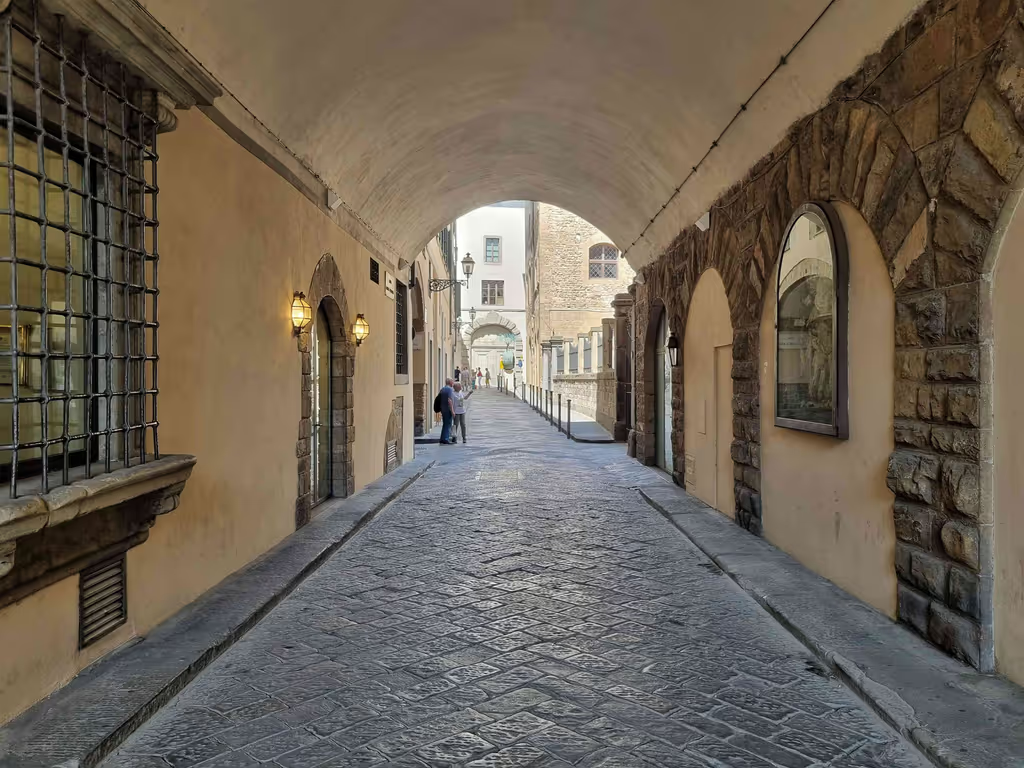
Renting a vehicle introduces a set of specific road regulations that catch many foreign drivers off guard. Italy enforces restricted traffic zones, known as a ZTL (Zona a Traffico Limitato), across approximately 300 municipalities, limiting city-center driving exclusively to residents and registered commercial vehicles. Automated cameras monitor every entry gate, recording license plates and mailing violations weeks after travelers return home.
Navigating these traffic restrictions involves several distinct financial risks:
- Automated ZTL Penalties: Statutory fines range from $90 to $360 (€83 to €332) per violation under Italian traffic law, with rental agencies adding administrative processing fees of $33 to $55 (€30 to €50) per notice directly to your credit card.
- Highway Toll Expenses: Toll roads quickly add up on major expressways, running around $27 (€25) each way along the primary highway connecting Rome and Florence.
- Liability & Permit Protection: Professional drivers operate fully registered commercial vehicles with blanket ZTL clearances, absorbing all toll, parking, and city access risks within their total rate.
Self-driving makes complete sense for a week touring rural farmhouses across Umbria or Tuscany. Central city stays, by contrast, turn rental vehicles into an expensive headache where parking fees and route restrictions outweigh the flexibility of having a car.
Evaluating whether self-driving fits your specific itinerary comes down to assessing your overnight stay locations. Connecting with local Italian private guides allows you to map out hotel access points, pinpoint where rental cars create headaches, and determine where dedicated transfers save both time and money.
Choosing chauffeured transport over self-driving brings up an important distinction regarding legal transit operators and licensing credentials across Italian cities.
Taxi, NCC, or the Stranger at the Station: Who Is Allowed to Drive You in Italy?
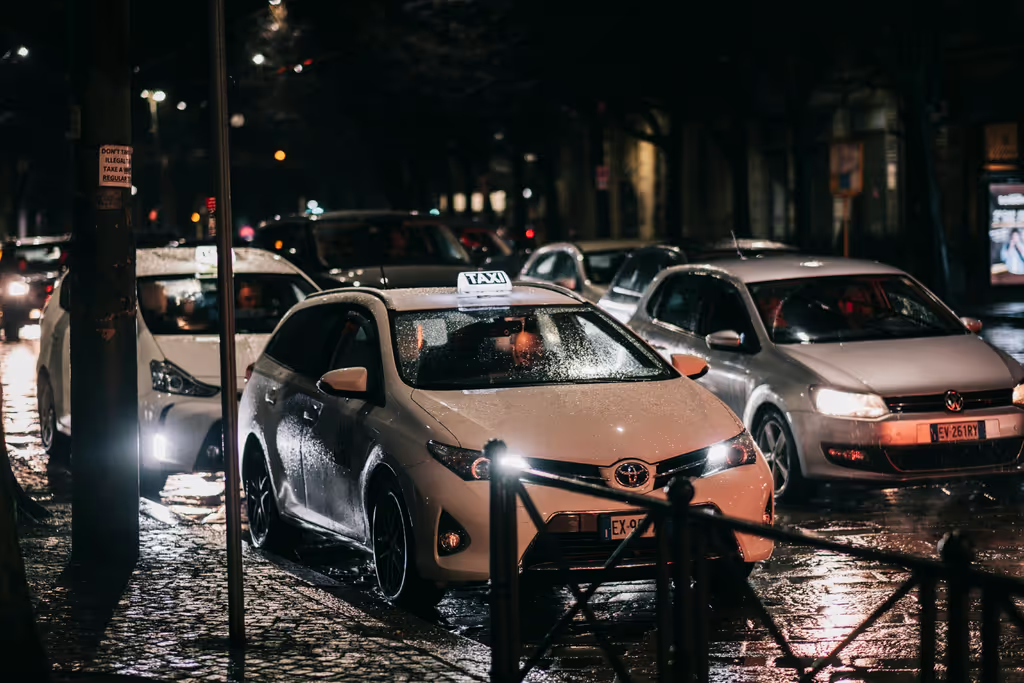
Italy categorizes commercial passenger vehicles into two distinct legal frameworks. A standard municipal taxi operates on street hail, public rank pickups, or immediate dispatch apps, running on metered rates or set municipal fares. Private hire cars known as NCC or Noleggio con Conducente are chauffeured vehicles that must be booked in advance with a pre-agreed rate. Authorized chauffeured vehicles operate under strict NCC licensing regulations rather than public taxi meters.
Distinguishing between legal operators and unauthorized rides protects travelers from predatory scams, inflated charges, and enforcement checks. Law enforcement officers routinely conduct compliance stings at transit hubs. Authorities at Naples Airport and Rome Termini regularly fine unauthorized drivers operating without proper transport licenses, picking up passengers outside designated zones, or failing to issue compliant receipts.
Adopting four essential habits keeps your transfers safe and fully compliant:
- Pre-Book Every Chauffeured Leg: Legitimate NCC operators require advance confirmation detailing your driver’s name, vehicle license plate, and locked-in rate before pickup.
- Decline Terminal Solicitation: Ignore individuals inside arrivals halls or station concourses offering unsolicited rides or claiming to represent "official taxis".
- Confirm Vehicle and Rate Details: Verify total costs, luggage inclusions, and vehicle details before loading bags into any trunk.
- Request an Official Receipt: Licensed transport companies provide clear itemized receipts upon request for every journey.
Partnering with verified local transport networks ensures every driver holds active commercial licenses, complete vehicle insurance, and official city access credentials. Reserving a reliable private car hire gives you peace of mind, providing transparent pricing and verified driver credentials before you arrive.
Understanding the legal groundwork helps clarify how private transport fits into a practical itinerary, leading directly to evaluating whether a dedicated vehicle makes sense for your specific route.
Can You Do Italy Without a Driver or Guide? (Honest Answer)
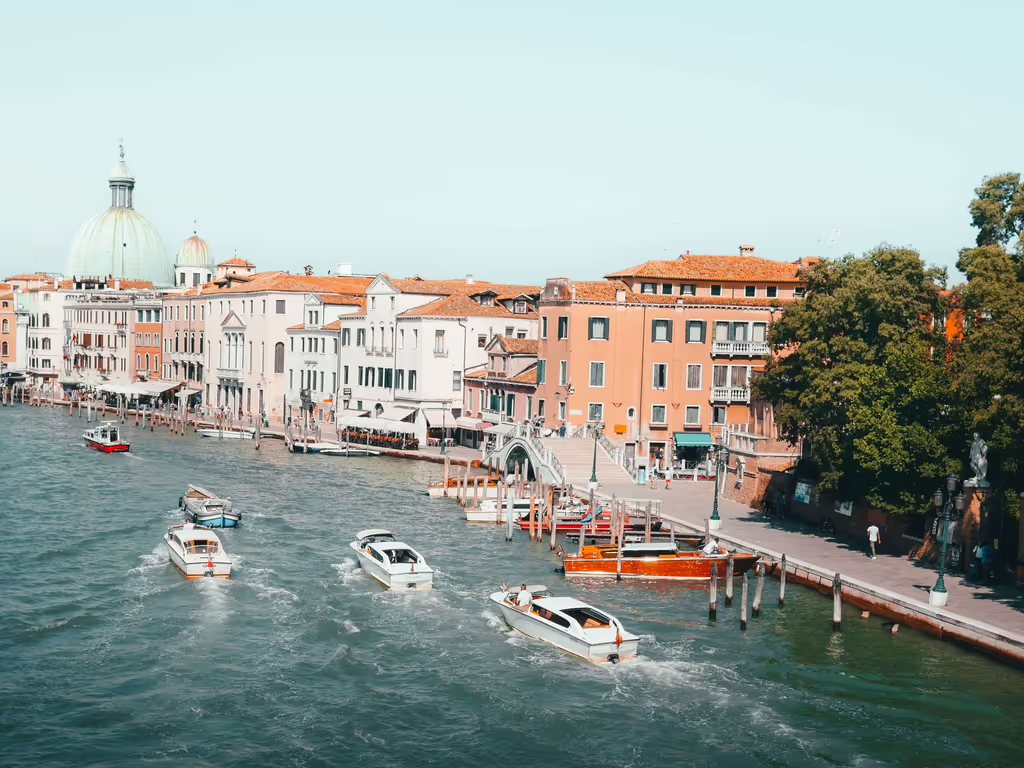
Traveling across Italy completely independently is entirely doable for the vast majority of classic routes. High-speed rail seamlessly connects major urban hubs like Rome, Florence, Venice, Milan, and Naples, while city metros, public buses, and standard taxis handle urban transit at a tiny fraction of the cost of a private chauffeured vehicle.
Independent travel faces significant friction in specific geographic scenarios:
- The Amalfi Coast: The complete absence of direct rail lines combined with multi-stage ferry transfers turns luggage-heavy coastal moves into an exhausting ordeal.
- Tuscan Hill Towns: Historic villages like Siena, San Gimignano, and rural Chianti estates sit miles away from main rail stations, while wine tastings eliminate self-driving as a practical option.
- Large Families or Groups: Traveling with four or more people along with multiple large suitcases quickly makes coordinating multiple city taxis far more cumbersome than securing a single spacious van.
- Tight Day Trips: Tight departure schedules benefit immensely from door-to-door hotel pickups that eliminate connection risks at busy stations.
A private vehicle delivers maximum value on one or two specific legs rather than across an entire multi-city journey. Combining efficient transit with targeted sightseeing transforms transfer days into memorable experiences, such as exploring the ruins on a Pompeii archaeological tour during a coastal drive. Selecting a specialized private tour gives you complete control over your daily pace while removing connection headaches along complex rural or coastal stretches.
Seeing how these transit choices line up day by day helps map out a balanced itinerary that uses high-speed rail and private transport where each performs best.
Ten Days, Four Legs: A Sample Italy Route With the Train and the Driver Each Doing What They Do Best
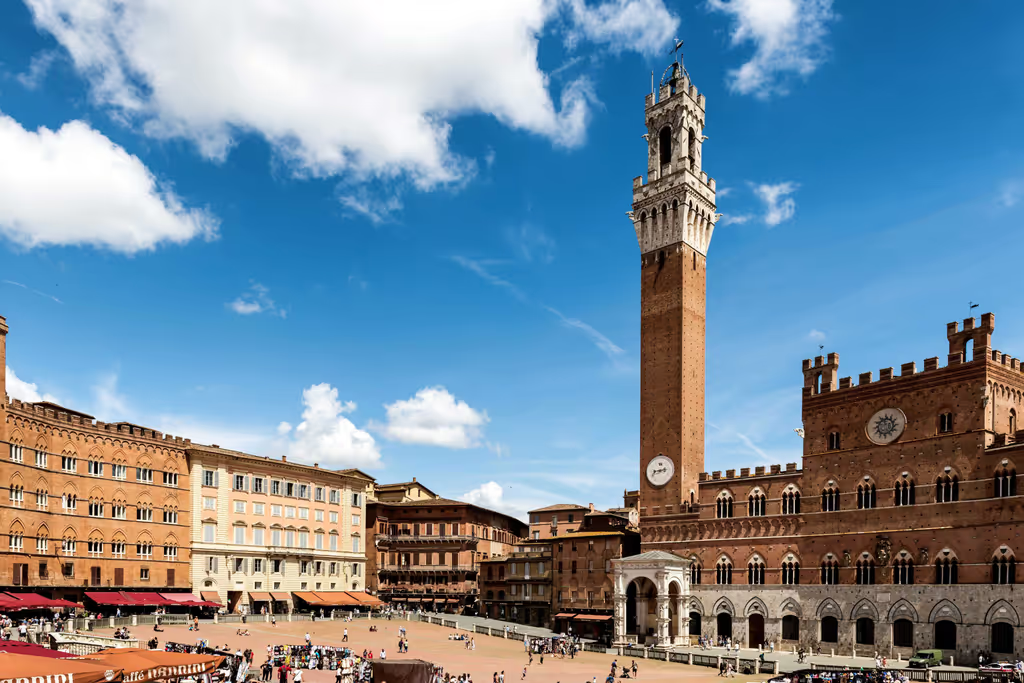
Balancing high-speed rail with private transport creates a seamless travel pace across a ten-day Italian journey. Assigning fast city corridors to the tracks while reserving scenic detours, wine regions, and coastal connections for a dedicated vehicle gives you the best of both worlds.
Here is a practical breakdown of how a balanced ten-day itinerary handles each leg:
- Leg 1: Rome to Florence by Train (Day 4)
- 10:00 AM: Board a high-speed train at Roma Termini, reaching Florence in about 1 hour 25 minutes to 1 hour 30 minutes.
- 11:30 AM: Take a short local taxi from the station to your hotel. High-speed rail handles this direct leg perfectly.
- Leg 2: Tuscan Hill Towns Excursion from Florence (Day 6)
- 9:00 AM: A private driver picks you up directly at your hotel door.
- 10:10 AM: Explore historic Siena with free time to wander the ancient center.
- 1:00 PM: Enjoy a relaxed vineyard lunch and wine tasting while your driver manages the rural roads.
- 3:00 PM: Wander through medieval San Gimignano at your own pace.
- 5:00 PM: Arrive back at your Florence hotel without stress.
- Leg 3: Venice to Verona Regional Day Trip (Day 8)
- 8:30 AM: Meet your vehicle at Piazzale Roma in Venice.
- 9:30 AM: Arrive in Verona after a scenic one-hour drive to explore the Roman Arena and Piazza delle Erbe.
- 2:30 PM: Stop for a traditional lunch, visit Castelvecchio, and relax on the smooth return drive.
- Leg 4: Rome or Naples to the Amalfi Coast (Day 10)
- 7:00 AM: Departure from your Rome hotel with all luggage loaded into a single vehicle.
- 9:30 AM: Enjoy a relaxed two-hour walking stop at the Pompeii archaeological park.
- 1:30 PM: Complete the final 1.5-hour drive directly to your Amalfi Coast accommodation.
Avoid scheduling long driving days immediately after an international flight, and ensure your final pickup times allow plenty of buffer room before any connecting transit. Shaping a multi-city schedule becomes far smoother when consulting local Italian private guides who can customize daily start times, optimize driving routes around regional traffic, and match vehicle sizes to your group.
Mapping out transit schedules leads directly into analyzing exact pricing structures, vehicle capacity limits, and group cost breakdowns.
Understanding Private Vehicle Costs: Evaluating Flat-Rate Pricing for Groups
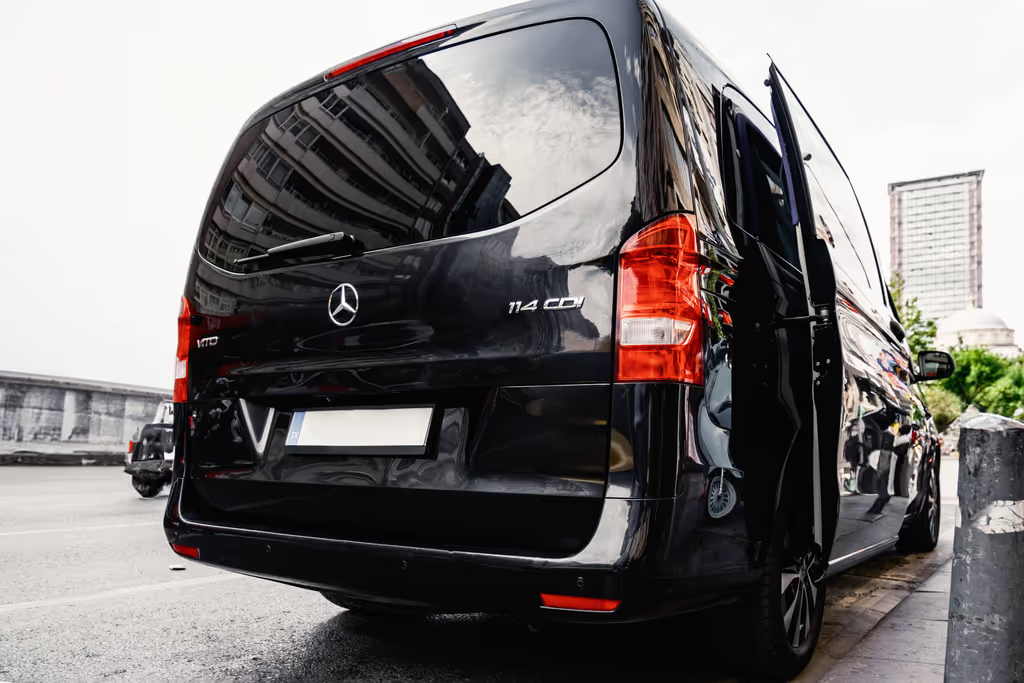
Private transport rates in Italy are charged per vehicle rather than per passenger, drastically lowering the individual cost as your group size increases. Checking price structures and explicit fee inclusions before confirming a vehicle ensures your budget stays completely on track.
Comparing standard vehicle rates across popular Italian routes highlights clear value benchmarks:
- Rome to Amalfi Coast Transfer: $1,100 total per group for up to 6 passengers in a deluxe minivan, including a two-hour Pompeii sightseeing stop.
- Naples to Amalfi Coast Transfer: Starts at $300 to $320 per group for up to 8 passengers, depending on final passenger count and pickup time.
- Rome to Florence & Pisa Day Excursion: Ranges from $450 to $950 per group for up to 7 passengers, providing private transport alongside dedicated guiding.
- Florence to Tuscan Hill Towns Day Trip: $950 total per group for up to 7 passengers, spending 8 hours exploring Siena, San Gimignano, and local wineries.
- Venice to Verona Day Tour: $800 total per group for up to 8 passengers, covering an 8-hour regional journey across Veneto.
Running three practical checks clarifies exact vehicle value for your party:
- Calculate Passengers and Suitcases: Luggage space dictates vehicle selection. Standard minivans typically accommodate up to 6 medium and 4 cabin bags, or 4 large suitcases paired with 4 carry-ons.
- Identify Out-of-Pocket Exclusions: Base vehicle rates cover tolls, fuel, and driver fees, while entrance tickets (such as $16 / €15 per person for Pompeii), winery tastings, meals, and optional tips remain separate.
- Verify Early and Late Pickup Terms: Standard operating windows apply, with early morning pickups before 6:00 AM or evening runs past 8:00 PM incurring localized night surcharges.
Two travelers paying $33 (€30) each for train seats invest about $65 (€60) total on Rome to Florence, whereas a private car day costs $450 to $950. A private vehicle delivers maximum economic sense for families, groups of four to eight, or travelers carrying heavy luggage across multiple stops. Checking customized options via private car hires provides quick clarity on group rates and vehicle sizes for your exact party.
Grasping these group cost mechanics prepares you to review specific, top-rated transport routes available across key regions in Italy.
NPT Transfer's Rome-to-Amalfi Run: Six Hours Listed, $1,100, a Minivan With a Pompeii Stop

- Duration & Format: 7 hours total | $1,100 per group | Up to 6 people | Driving guide
- Key Stops: Pompeii archaeological park (approx. 2-hour exploration stop), ending at your designated Amalfi Coast accommodation (Positano, Amalfi, or Ravello).
- Inclusions: Deluxe Mercedes-Benz minivan, professional English-speaking driver, expressway tolls, fuel, city parking, ZTL access permits, and pickup waiting time.
- Exclusions: Archaeological site entry tickets (around $16 / €15 per person), licensed walking guide inside the ruins, meals, and optional driver gratuities.
- Route Overview: Departures begin around 7:00 AM from any hotel, private address, or airport in Rome. Your driver manages the 2.5-hour drive south toward Mount Vesuvius, pauses for a two-hour stop at Pompeii, and completes the final 1.5-hour coastal drive straight to your hotel door.
This 7-hour door-to-door transfer eliminates the stress of navigating crowded rail terminals with heavy luggage, making it an ideal choice for families or small groups seeking a seamless, single-vehicle journey from Rome to the coast. Reviewing specific details for this Rome to Amalfi private transfer allows you to verify vehicle luggage capacity and secure your preferred pickup time.
Moving closer to the Bay of Naples opens up shorter transfer alternatives designed for travelers already arriving by high-speed rail.
ATC Ride's Naples-to-Amalfi Transfer: Four Hours, From $320, Up to Eight People

- Duration & Format: 4 hours total | From $320 per group | Up to 8 people | Driving guide
- Key Stops: Flexible 2-hour exploration at Pompeii archaeological park or an authentic wine tasting visit at Mount Vesuvius cellars before heading to the coast.
- Inclusions: Air-conditioned Mercedes-Benz executive vehicle, private pickup and drop-off, highway tolls, taxes, onboard bottled water, and driver waiting time.
- Exclusions: Archaeological entry tickets (approx. $16 / €15 per person), winery meals and tastings, official site walking guide, early morning/late night surcharges, and optional tips.
- Route Overview: Departures run in either direction between Naples (airport, central station, or hotel) and your Amalfi Coast destination (Positano, Amalfi, or Ravello). Starting around 7:00 AM or aligned with your train arrival, your driver provides a direct, luggage-friendly run with optional sightseeing en route.
This 4-hour connection bridges the gap between high-speed rail arriving in Naples and hard-to-reach coastal accommodations. It works exceptionally well for couples or small groups who want to convert a routine transfer into a relaxing regional tasting or sightseeing stop. Confirming details for this Naples to Amalfi Coast transfer helps align pickup schedules with incoming train times while locking in exact vehicle sizes.
Shifting focus back to central Italy, multi-stop day trips from Rome open up full-day access to Tuscany's iconic Renaissance cities and countryside landmarks.
Andrea P.'s Florence and Pisa Day From Rome: Eleven Hours, From $950
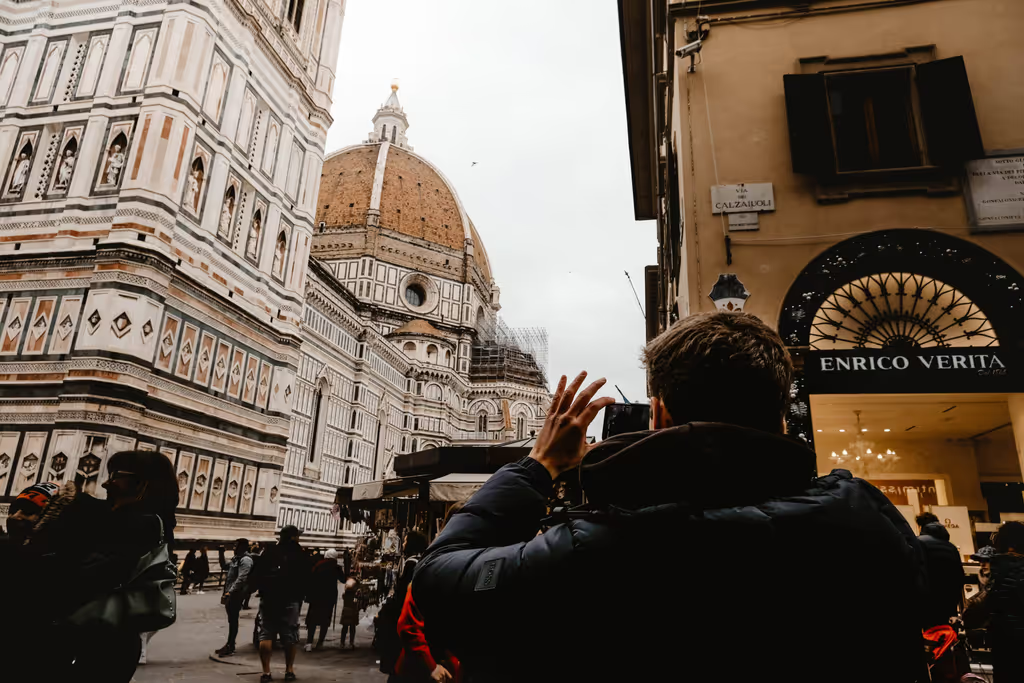
- Duration & Format: 11 hours total | $950 per group | Up to 7 people | Driver and dedicated guide
- Key Stops: Exterior highlights of Florence (Basilica of San Lorenzo, Santa Maria del Fiore Duomo, Palazzo Vecchio, Piazza della Signoria, Ponte Vecchio), lunch break, and Piazza dei Miracoli in Pisa (Leaning Tower exterior).
- Inclusions: Hotel pickup and drop-off in Rome, chauffeured executive vehicle (sedan, minivan, or 7-seat SUV), private guide, expressway tolls, fuel, and city parking permits.
- Exclusions: Personal lunch, individual museum entrance fees, and optional driver gratuities.
- Route Overview: Depart Rome at 7:00 AM for the drive north to Florence. Arrive around 10:30 AM for an architectural walking tour of Florence's landmark squares led by your guide. Following a traditional Tuscan lunch, drive west to Pisa by 3:20 PM to view the Leaning Tower before beginning the return journey, arriving back in Rome around 8:20 PM.
This 11-hour excursion suits travelers based in Rome who want to experience both Florence and Pisa in a single day without handling multiple train connections or navigating city bus routes. It provides an efficient solution for small groups seeking door-to-door transit paired with personal guiding. Reviewing options for a Florence and Pisa day tour helps clarify vehicle setup and availability for your preferred travel dates.
For travelers who prefer a gentler pace centered directly in Florence, heading south into the countryside opens up access to historic hill towns and local Tuscan vineyards.
IE Transfers' Siena and San Gimignano Day From Florence: Eight Hours, $950, a Luxury Minivan for Seven

- Duration & Format: 8 hours total | $950 per group | Up to 7 people | Driver only
- Key Stops: Siena’s historic center and Piazza del Campo, an authentic Tuscan winery near San Gimignano for lunch and Vernaccia wine tasting, and the medieval tower-filled streets of San Gimignano.
- Inclusions: Professional English-speaking driver, luxury air-conditioned executive minivan with onboard Wi-Fi, expressway tolls, parking fees, and fuel.
- Exclusions: Winery lunch, tasting menu fees (paid directly on site), individual museum entry tickets, and optional driver gratuities.
- Route Overview: Depart from your central Florence hotel at 9:00 AM for an 8-hour regional loop. Reach Siena by 10:10 AM to enjoy roughly two hours of independent exploration. Transfer to a countryside winery near San Gimignano for a relaxed lunch and tasting through 2:45 PM, followed by an hour wandering San Gimignano’s historic lanes before the return drive to Florence.
This 8-hour private excursion frees you from navigating winding country roads, finding scarce parking outside medieval walls, or handling local driving after a wine tasting. It is a seamless fit for couples, families, or small groups seeking a door-to-door Tuscan countryside experience. Checking vehicle capacity and scheduling details for this Siena and San Gimignano luxury minivan tour lets you lock in exact travel dates and pickup times.
Rounding out our regional transport options, we move north toward Veneto, connecting the canals of Venice with the ancient Roman heritage of Verona.
Andi's Transfers' Venice-to-Verona Day: Eight Hours, $800, a Mercedes Van for Eight
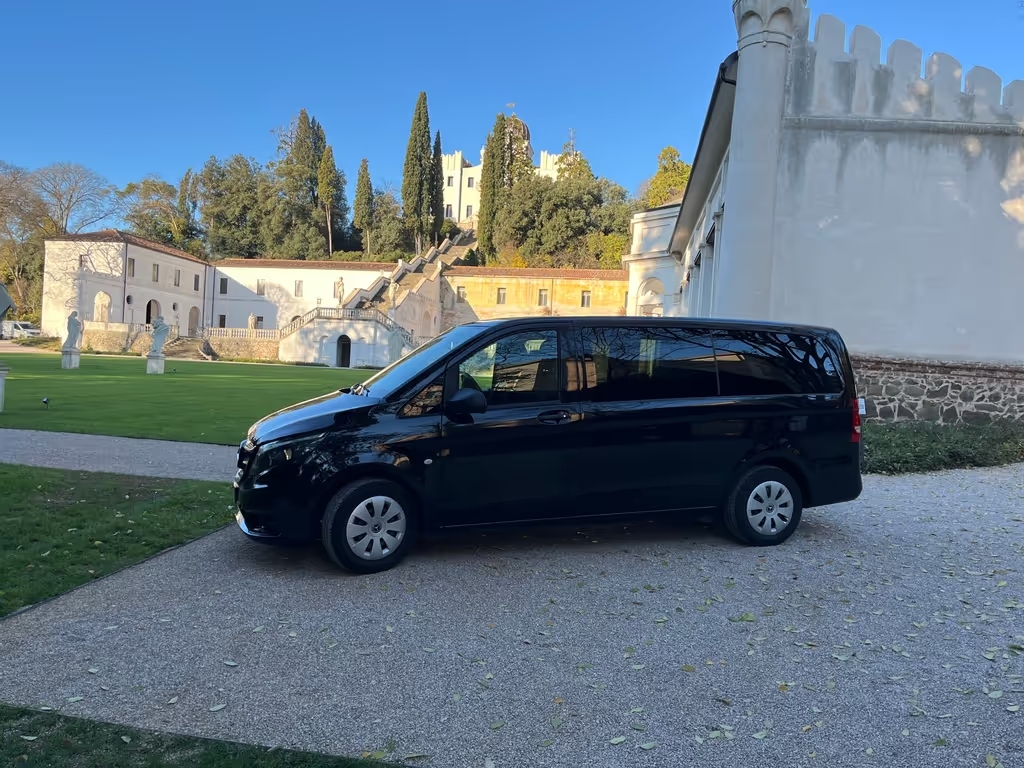
- Duration & Format: 8 hours total | $800 per group | Up to 8 people | Driver only
- Key Stops: Roman Arena di Verona and Piazza Bra, Piazza delle Erbe, Piazza dei Signori, Juliet's House, and the medieval exterior of Castelvecchio.
- Inclusions: Private chauffeured transport in a Mercedes-Benz van, highway tolls, parking fees, and fuel.
- Exclusions: Monument entrance tickets, lunch, personal expenses, and optional driver gratuities.
- Route Overview: Depart at 8:30 AM from Piazzale Roma in Venice for the smooth 1-hour drive west to Verona. Arrive around 9:30 AM to explore the ancient Arena, stroll through Piazza delle Erbe by 11:00 AM, and view Juliet's House around 1:00 PM. Following a relaxed lunch at 2:30 PM, enjoy a brief photo stop at Castelvecchio before returning comfortably to Venice.
This 8-hour regional trip offers a completely flexible alternative for larger families or groups of up to eight who prefer door-to-door transit without matching fixed rail schedules. Leaving the driving to a professional allows your entire party to relax and focus entirely on the historic architecture of Verona. Confirming group capacity and details for this Venice to Verona Mercedes-Benz van tour ensures you secure your preferred travel date and pickup location.
Having reviewed the primary regional routes, stepping back to weigh the entire decision provides a clear perspective on how to structure your complete Italian journey.
Choosing the Right Transit Mode: Matching High-Speed Rail with Road Flexibility

Standing back in front of the departures board at Termini brings the ultimate question back into focus: is hiring a private driver in Italy truly worth it over taking the train? Across major metropolitan corridors, high-speed rail is undoubtedly the smarter, faster, and more economical pick. Along cliffside coastal roads, through elevated vineyard regions, or on transfer days packed with family members and heavy suitcases, a dedicated vehicle proves its worth instantly. Italy rewards travelers who know how to split their routes—handing the long straight lines over to the tracks, and reserving chauffeured cars for the curves.
Relieving travel stress comes down to anticipating a few specific logistical bottlenecks before you step off the plane:
- Heavy Station Connections: Rolling five large suitcases through crowded concourses between train platforms creates unnecessary strain on transfer days.
- Complex Coastal Routes: Reaching cliffside coastal towns with zero direct rail stations requires multiple regional bus or ferry transfers that eat into precious vacation time.
- Remote Countryside Access: Exploring historic hilltop villages and regional wineries sits miles beyond local train stops, where self-driving risks counteracting a relaxing lunch.
Making a smart decision means keeping four practical guidelines in mind as you structure your transit choices:
- Segment Your Itinerary Leg by Leg: Assign direct city-to-city sprints to high-speed rail, while reserving coastal runs, wine country excursions, and multi-bag transfer days for a private vehicle.
- Clarify Inclusions Upfront: Verify exactly what your vehicle rate covers regarding expressway tolls, city center access permits, parking fees, and driver waiting windows.
- Verify Group Pricing Terms: Flat vehicle rates differ significantly from individual per-person pricing, delivering maximum value when traveling with family or small groups.
- Leverage Local Route Flexibility: Local hosts adjust daily stop order on the fly based on traffic patterns, regional weather, and your personal walking pace.
Every traveler moves differently, and existing fixed itineraries are never set in stone. Connecting directly with local Italian private guides gives you total freedom to design completely custom itineraries, modify route orders, adjust daily start times, or build personalized door-to-door trips tailored around your party size and interests. When you pair the speed of the rails with the comfort of a private vehicle, you let Italy's transport network handle the heavy lifting while you enjoy the journey.
By letting high-speed rail slice through the long stretches while a private vehicle handles the coastal bends and hill country, you unlock the absolute best of Italy: a country that rewards every traveler who matches the right ride to the right road.
Hiring a Private Driver in Italy FAQs
How much does a private driver cost in Italy?
Private transfers range from $300 for a short Naples-to-Amalfi run up to $1,100 for a full Rome-to-coast trip, while full-day regional excursions run between $800 and $950 per group. Entrance tickets, vineyard tastings, meals, and driver tips remain separate out-of-pocket expenses.
Is a private driver better than the train from Rome to Florence?
High-speed rail is faster and cheaper for small parties, covering the distance in 1 hour 30 minutes with fares starting around $16 (€15). A private vehicle makes financial sense primarily for groups of four or more, travelers with heavy luggage, or routes with countryside stops.
How do I get from Rome to the Amalfi Coast?
Travelers can take a high-speed train to Naples or Salerno followed by a regional bus or ferry, or opt for a direct 3.5-hour private transfer. Chauffeured minivans cost around $1,100 per group and often include a two-hour sightseeing stop at Pompeii.
What is an NCC vehicle and how does it differ from a standard taxi?
An NCC (Noleggio con Conducente) is a licensed private hire car that must be reserved in advance at a locked-in flat rate. Standard municipal taxis operate on meters and can be hailed at public city ranks or called via dispatch apps.
How do ZTL restricted traffic zones affect my transport options?
Zona a Traffico Limitato (ZTL) areas restrict city-center driving strictly to residents and registered commercial vehicles under threat of heavy automated camera fines. Licensed NCC drivers hold legal transit permits that allow seamless drop-offs inside historical city centers without penalty risk.