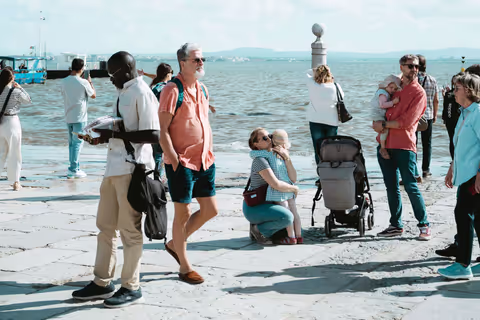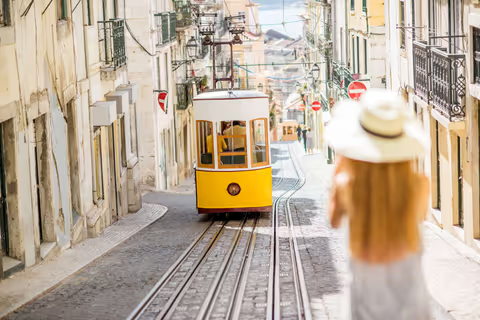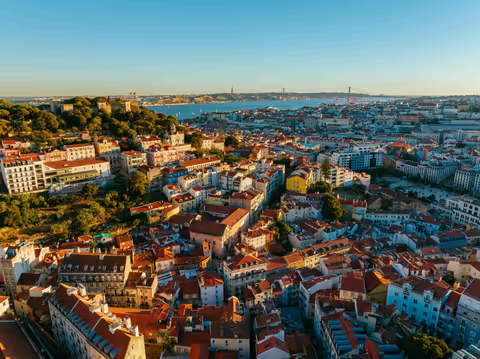

Lisbon in December is not a sun-soaked escape. It is a city of rain-darkened cobblestones, golden light falling across tiled façades, the smell of fresh pastries drifting from historic cafés, and the Tagus turning cold as the afternoon fades. December reveals a different side of Lisbon, and it rewards travelers who know how to work with the season rather than against it.
The trade-off is clear. You can enjoy the city's history, food and festive atmosphere without the intensity of summer, but you must plan around rain, steep streets, cool evenings and an early sunset. Those conditions do not make Lisbon a poor winter choice. They make the right expectations essential. The first question, then, is whether this version of the city is the experience you want.
Is Lisbon Worth Visiting in December?
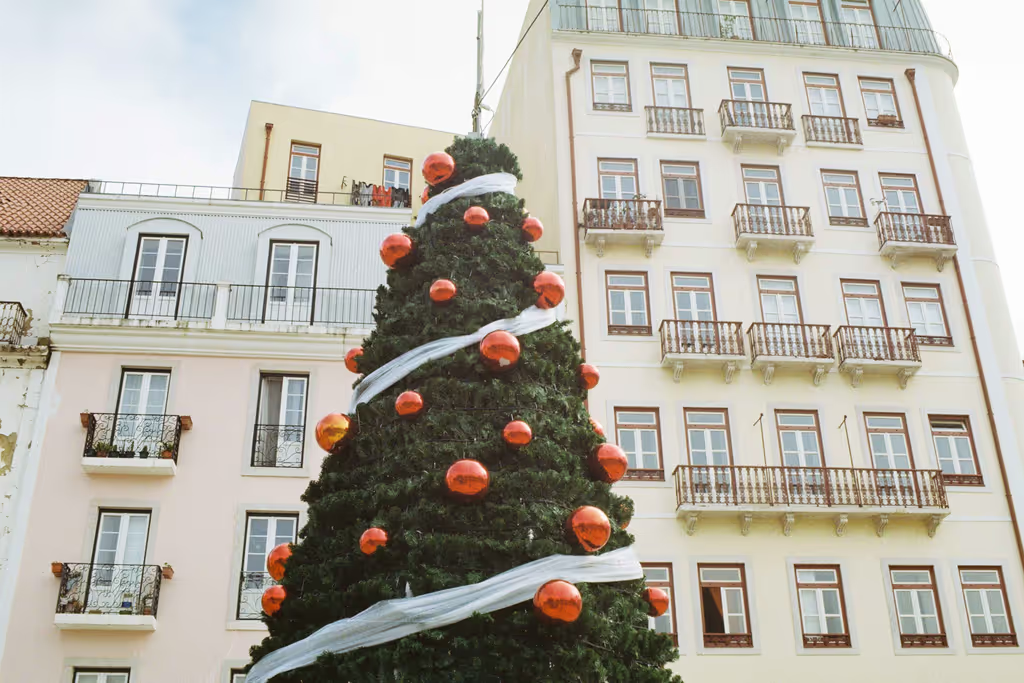
Yes, for travelers who value culture, food, and a slower winter pace. It is less suited to anyone expecting reliable sunshine or warm evenings.
The main appeal is the city itself. Baixa's straight avenues were rebuilt in the 18th century after the 1755 earthquake, the viewpoints above Alfama are as striking in winter as in summer, and the cafés and pastry shops remain open through the season. The festive period adds lights, markets, and a more relaxed mood after the summer peak, though the best-known sights still draw visitors every day.
The trade-offs are real. Average daytime highs sit around 15°C (59°F), evenings feel cool, and rain falls on roughly ten days of the month. Sunset comes around 5:15 PM for much of December, which shortens afternoon sightseeing, and some holiday opening hours change. None of these is a dealbreaker, but each one shapes how you spend the day.
Because December rewards certain travel styles more than others, it helps to weigh who gets the most out of the season before you plan your itinerary:
- Best suited for: Culture-led couples, history readers, food lovers, friends who enjoy wandering without a tight schedule, and travelers looking for a Christmas or New Year atmosphere.
- Less suited for: Visitors hoping for beach weather, travelers trying to pack a dense sightseeing list into every day, or anyone whose mobility makes steep hills and uneven stone pavements difficult.
Whether Lisbon's hills and winter rhythm feel manageable comes down to how you pace your days and which routes you choose.
If you want historical context while keeping a relaxed winter pace, explore Lisbon private tours to see how a local guide can shape a route around your interests.
The decision becomes easier when you look beyond the general climate and consider what a typical December day actually feels like, from the morning temperature to the last useful hour of daylight.
Lisbon in December: Weather, Daylight, Terrain, and Holiday Planning
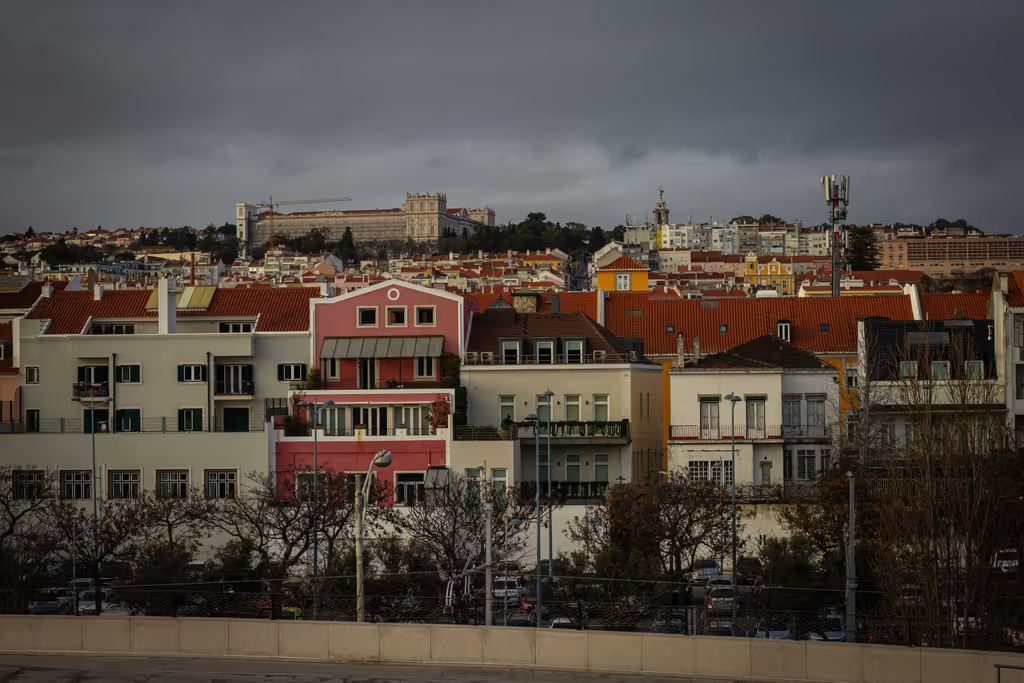
Lisbon's winter reputation can be misleading. The city is milder than many northern European capitals, so cool temperatures and occasional rain rarely ruin a sightseeing day, yet hills, wet paving, shorter daylight, and holiday closures can make poor planning costly. Rather than relying on the word "mild," it helps to look at the long-term figures from one consistent weather station. The following details use IPMA's 1991–2020 climate normals for Lisboa/Gago Coutinho.
- Temperatures: The station's December average maximum is 14.9°C (about 59°F), the average minimum is 8.7°C (about 48°F), and the mean is 11.8°C, with frost not average for the month. A 15°C afternoon feels mild, though wind off the Tagus can make riverside spots feel colder, and mornings and evenings are noticeably cooler. Because these are long-term averages rather than a forecast, check the day-by-day forecast and adjust your outfits rather than assuming one setup works all week.
- Rain: The same station averages about 100 mm of rain in December across roughly 9.7 days with at least 1 mm. Showers and spells are common, so rain is frequent enough to matter without usually costing a whole day. Plan your longest walks for drier stretches, keep a museum, café, or food stop as a backup, and bring a waterproof layer.
- Daylight: Sunrise falls between roughly 7:35 and 7:55 AM, while sunset is around 5:15 PM in early December and about 5:25 PM by the end of the month, giving the shortest day (21 December) about nine and a half hours of light. You have enough daylight for a full day of sightseeing if you start early: schedule outdoor stops between about 9 AM and 4 PM, and treat evenings as indoor meal time or hours for lit streets, markets, and Christmas lights.
- Walking conditions: Lisbon is built on hills, and much of the historic centre is paved in calçada portuguesa, small stone cobbles that turn slick after rain and slow your walking pace. Steep climbs toward São Jorge Castle and Graça take real effort, so limit yourself to one or two steep neighbourhoods a day, use taxis or trams between them, take breaks at viewpoints, and wear shoes with good grip rather than smooth soles on steep descents.
- Clothing and holiday hours: Dress in layers with a thermal base, a fleece or sweater, a light insulated jacket, and a waterproof shell or compact umbrella, plus a removable layer for older buildings and restaurants with limited heating (and check your accommodation's heating in advance). Also watch holiday schedules: 25
December and 1 January are public holidays when national monuments generally close, Christmas Eve on 24 December is a main family dinner night with shifting restaurant hours, and Wonderland Lisboa's reported hours on 25 December and 1 January are 4 PM to 10 PM, so confirm opening times directly with each venue.
If Lisbon's steep hills and slick cobbles make you hesitant, a verified local guide can pace the climbs and build in seated breaks around the terrain. Message a guide about your walking limits before you book.
Once you understand these seasonal trade-offs, you can plan around them rather than letting them dictate your trip. Choosing the right activities for the weather and daylight comes next.
8 Best Things to Do in Lisbon in December
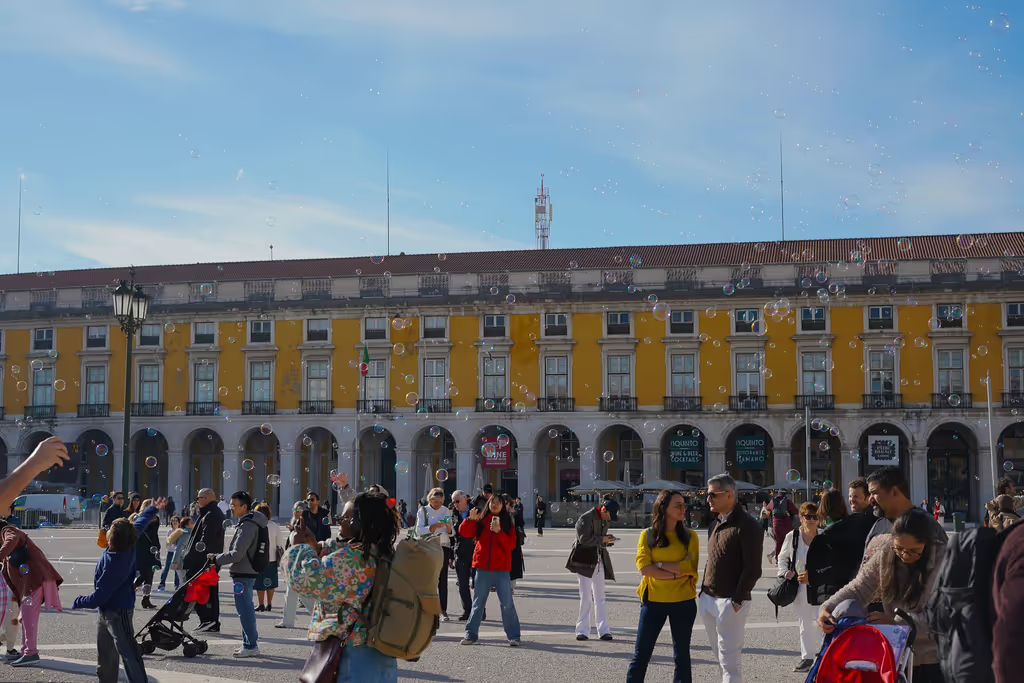
The best December experiences in Lisbon are not necessarily the ones that require the longest stretch outdoors. The city's historic districts, food culture, viewpoints, and festive displays all have a place in a winter itinerary, and the order matters. Some activities are better saved for dry daylight hours, while others work particularly well after rain or once the streets light up in the evening. Start with the experiences that make the most of the season.
- Explore Lisbon's Historic Neighborhoods: Baixa, Chiado, Alfama, and Bairro Alto each show a different layer of the city. Baixa is the rebuilt grid after the 1755 earthquake, Alfama is the oldest district with steep, narrow lanes and the Sé Cathedral, and Bairro Alto is a lively area of climbing streets. December suits exploring them on foot when your walk matches your fitness and the weather, with the hills being the main demand after rain. A walking tour focused on these districts, such as João D.'s historic walking tour, can organize the route.
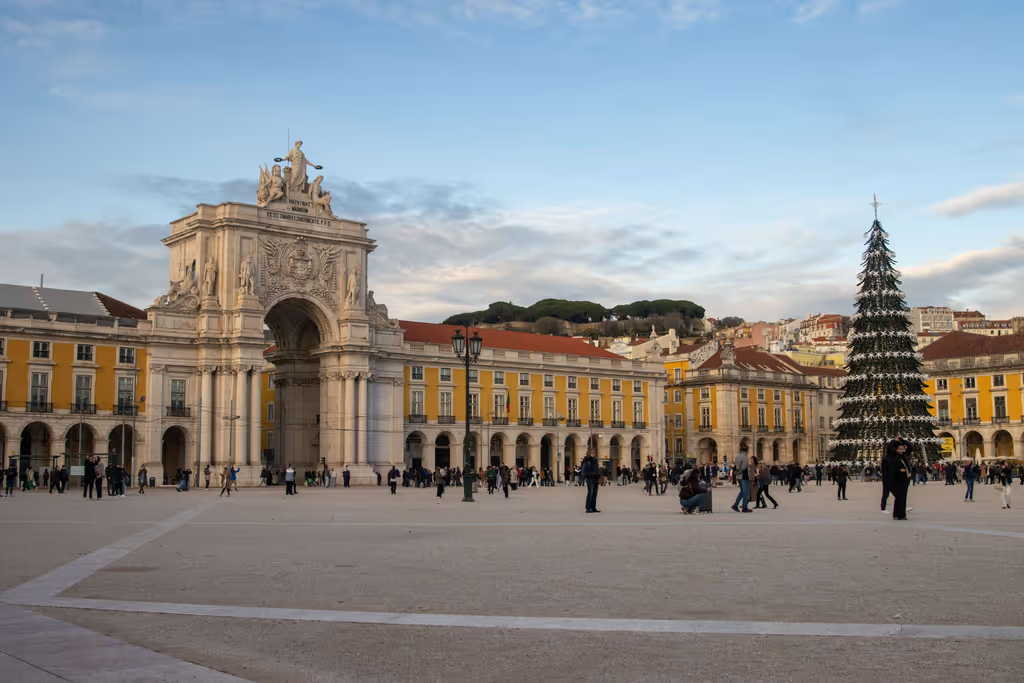
- See Lisbon's Christmas Lights and Decorations: Visit Portugal's official listing gives 29 November 2026 to 6 January 2027 as the dates for the city's Christmas lights. The municipal switch-on date has not been confirmed, so check the city council's announcements before planning around the ceremony. Praça do Comércio, on the river, usually hosts the large Christmas tree, while the Armazéns do Chiado shopping centre hosts its own separate lights switch-on. Bring warm clothing for open plazas and riverside streets.
- Visit Lisbon's Christmas Markets and Seasonal Events: The Rossio Christmas Market runs in Praça Dom Pedro IV from 14 November to 21 December 2026, according to official listings, closing before Christmas week. Wonderland Lisboa runs at Parque Eduardo VII from 27 November 2026 to 3 January 2027, with free entry and separate charges for rides and the ice rink. Wonderland sits above Marquês de Pombal, so expect a climb from Avenida da Liberdade. The Figueira Christmas Gourmet food market beside Rossio is usually open from late November, so confirm its 2026 dates before going.
- Enjoy Portuguese Food and Traditional Winter Dishes: Winter is a strong season for Portuguese comfort food. Look for pastel de nata, the custard tart, along with bacalhau croquettes made from salt cod, bifanas (pork sandwiches), warming soups, and bolo-rei, the traditional Christmas fruit cake. Many cafés and pastry shops stay open through the month, and food experiences double as a great rainy-day option. Ida H.'s guided food tour takes you through several classic stops in the historic centre.
- Visit Lisbon's Historic Churches and Cultural Landmarks: Lisbon's churches and monasteries offer some of the city's richest history. The Sé Cathedral dates back to the twelfth century, and the Jerónimos Monastery in Belém is one of the country's finest Manueline buildings. Opening times vary with services and holidays, and Jerónimos Monastery is closed on Mondays, so plan your visit around that schedule.
- Discover Lisbon's Viewpoints: Key viewpoints include Miradouro de Santa Luzia over Alfama and the Tagus, Miradouro de São Pedro de Alcântara, the Senhora do Monte viewpoint in Graça, and the top of the Santa Justa Lift. Winter light is clear and dramatic, and exposed ledges can be windy and cold, so bring a warm layer.
- Explore Museums and Cultural Attractions: Museums offer shelter, warmth, and a structured visit on wet days, giving you a chance to explore collections at an unhurried pace. Pairing a morning or early afternoon museum visit with lunch in the nearby neighbourhood works well when skies look unsettled.
- Enjoy a More Relaxed Riverside Experience: The Tagus waterfront offers a calmer side of the city, from Praça do Comércio to Cais do Sodré and out towards Belém. In December, the river is atmospheric, though it is also the most exposed part of the city to wind and rain. Bring a windproof layer for the waterfront. Tiago B.'s Belém walking tour covers the riverside area in detail.
From Alfama's winding lanes to the glow of Praça do Comércio, Lisbon has plenty of character to discover beyond its famous landmarks. A private tour with a local guide can bring these neighbourhoods, traditions, and details into focus while helping you make the most of your time in the city.
Choosing the right mix of indoor and outdoor activities is only part of the picture. The timing of your visit within December also shapes what is open, how busy the streets feel, and which festive events are running.
When to Visit Lisbon in December: Early Month, Christmas or New Year?
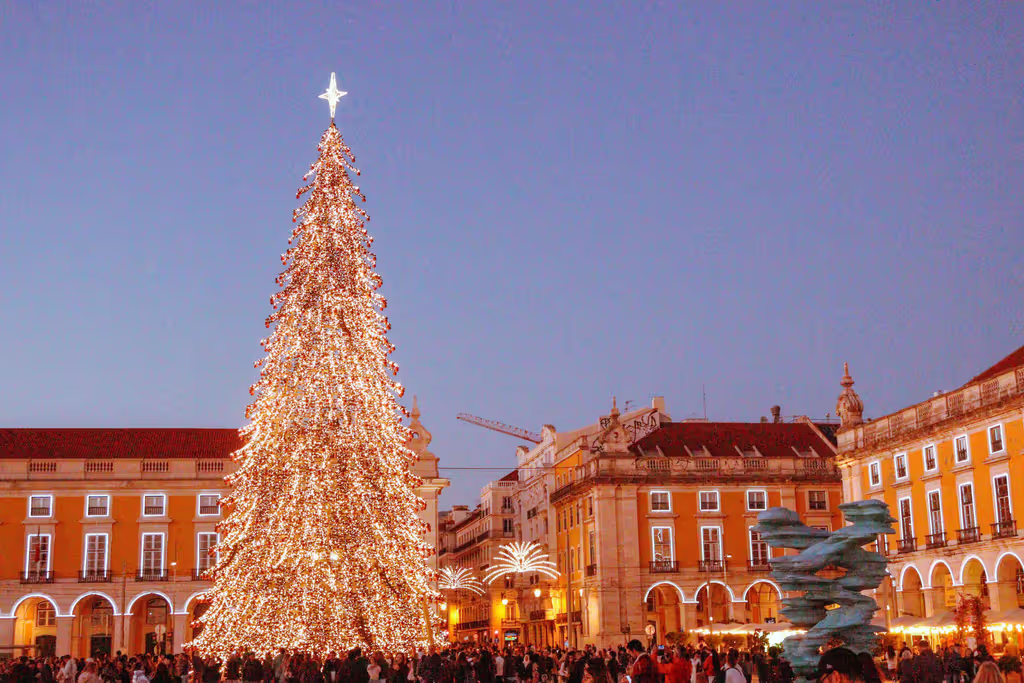
Not every December visit to Lisbon feels the same. Early in the month, the city is already moving into its festive season, while Christmas week brings more changes to normal opening schedules and New Year's Eve has its own crowds and celebrations. Choosing between these periods is less about finding one universally best date and more about deciding which atmosphere and practical trade-offs suit your trip. Consider the three windows separately before making your plans.
- Early December: Early December is often the calmest part of the month for sightseeing. The Rossio market and the city's lights are already running, but holiday pressure has not yet built up. Keep in mind that 1 and 8 December are public holidays in Portugal, so some attractions may close on those days. Sunsets are at their earliest around 7 and 8 December, at about 5:14 to 5:16 PM, so plan outdoor stops accordingly.
- Christmas Week: Christmas week brings the most changes to the city's routine. The Rossio market has closed by 21 December, so the classic market is no longer open. Wonderland Lisboa is still running. The 24th is Christmas Eve, when many families gather for dinner, and 25 December is a public holiday. Expect some restaurants and shops to close or change hours, and book dinner in advance. Tours and attractions may have limited availability, so check with the operator before arriving.
- New Year's Eve and New Year's Day: New Year's Eve is a festive time to be in Lisbon, but the central streets can be busy, and restrictions may apply. Wonderland Lisboa runs until 3 January 2027. Visit Portugal's official listing describes concerts at Praça do Comércio from 10 PM on 31 December, with fireworks at midnight. The details for 2026 should be confirmed closer to the date. New Year's Day is a public holiday, so plan ahead for meals and transport on 1 January.
A December itinerary works best when the experiences match the dates. A local Lisbon guide can help you make sense of seasonal opening changes, choose suitable sightseeing times and discover what is happening around the city during your stay. Explore private tours in Lisbon to find an experience that fits your travel dates and interests.
Your dates will also influence how much room you have for experiences outside the city. With daylight limited and holiday schedules changing, a day trip deserves a little more thought than it might during summer.
Is a Day Trip From Lisbon Worth It in December?
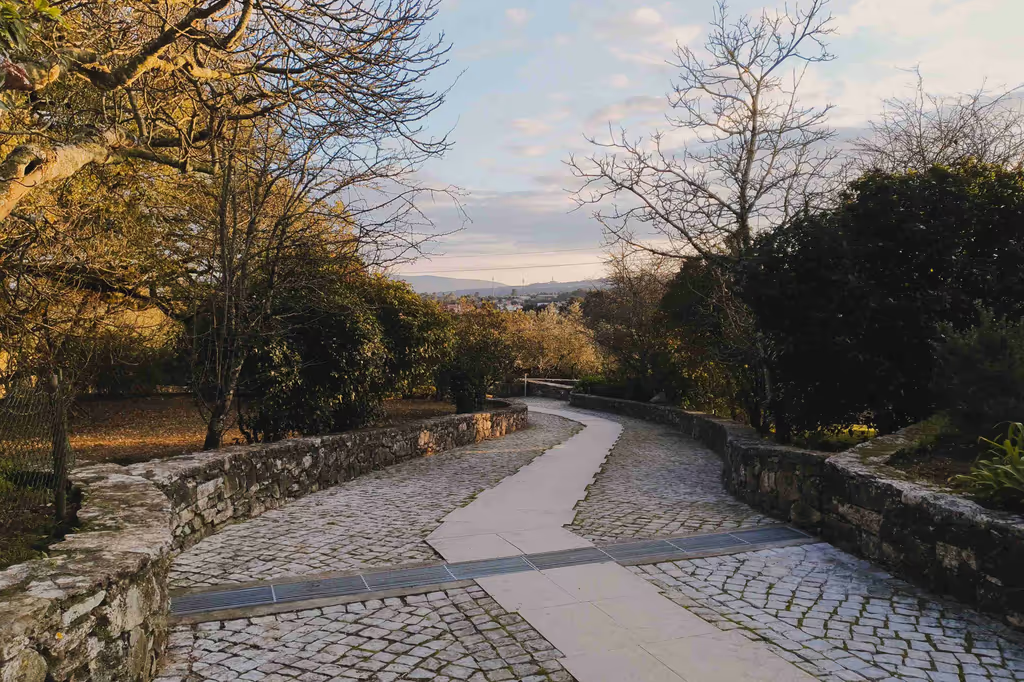
A day trip can add a memorable dimension to a Lisbon winter break, but December makes the decision more consequential. Shorter daylight means less time at your destination, while rain and seasonal opening schedules can affect how much you manage to see. A journey that feels relaxed in summer may become a tighter outing when you need to return before dusk.
The best choice depends on what you want from the day and how much walking, travel and uncertainty you are prepared to accept. These four destinations offer quite different experiences, so compare them before deciding whether to leave Lisbon.
- Sintra: Sintra's palaces and hillside gardens are among the most rewarding day trips from Lisbon, but the hills and damp weather can make the visit tiring in winter. Check the opening hours of individual palaces, since some close on specific days, and allow time for the climb between sites. A half day may suit many visitors better than a full day, especially in December.
- Cascais: Cascais is a coastal town with a more relaxed pace than Sintra. The walk along the seafront is easier on the legs, and the town offers cafés and restaurants to break up the day. Winter winds can be strong on the coast, so bring a windproof jacket. Cascais suits travelers who want a gentler outing with fewer hills.
- Fátima: Fátima is a pilgrimage site, and most visitors approach it reflectively rather than as a typical sightseeing stop. According to GoWithGuide's own guide to the day, it is about 1.5 hours by car from Lisbon, which makes it a full-day trip, so confirm the timing with your transport. In winter, plan your return before dusk, and check mass and sanctuary times in advance. For a closer look at the experience, read about a private tour to Fátima from Lisbon.
- Óbidos: Óbidos is a compact walled town with cobbled lanes and medieval architecture, making it a manageable day trip for many visitors. Its streets are slippery after rain, so wear shoes with grip. Óbidos has hosted a Christmas village in recent years, but confirm this year's dates before you plan around them.
How to Choose the Right Day Trip in Winter: Choose the trip that fits your daylight, weather tolerance, and walking ability. Sintra suits palace and garden lovers who don't mind hills. Cascais suits those wanting a gentler coastal outing. Fátima suits those seeking a reflective, purposeful day. Óbidos suits visitors who want a compact, atmospheric town. In December, one day trip is usually enough alongside city sightseeing, and a shorter option often works better than a packed itinerary.
If you're weighing one of these trips, browse private day trips from Lisbon and message a guide about the destination, travel time, and how long you want to spend there before the light fades.
Once you have chosen a destination, the next challenge is getting the timing and route right. That is where local assistance can be useful, particularly when you have a limited window of daylight or want to avoid spending too much of the day managing transport.
When Should You Book a Private Guide in Lisbon in December?

A private guide is practical support, not a requirement. Lisbon is perfectly possible to explore independently, but December can make some parts of the planning more demanding. You have less daylight to work with, wet cobbles can slow your walking pace, and a change in the weather may require you to rethink the route. A guide is most useful when local knowledge helps solve a particular problem rather than simply adding another activity to the itinerary.
Consider the situations in which that assistance could make a genuine difference:
- Cultural context: A guide can explain the history behind the buildings and neighbourhoods, which is useful if you want more than a checklist of landmarks.
- Limited time: A guide can help you prioritise, which matters when daylight is short and you have only a few days in the city.
- Walking and route planning: A guide can pace the climbs, choose sensible routes around wet stone, and suggest breaks.
- Families and multigenerational groups: A guide can adjust the pace and the level of walking to suit different ages and abilities.
- Flexible sightseeing: A guide can help you switch to indoor or alternative stops when the weather changes.
- Day-trip planning: A guide can help you arrange timing, transport and a return before dusk.
Not every visitor needs a guide, and many enjoy exploring Lisbon independently. The point is to recognise when a guide will save time or improve the experience for your particular trip.
The right guide should add something your independent plans cannot easily provide, whether that is a deeper understanding of Lisbon’s history, a better-paced route or a more personal way to explore the city. Browse Lisbon’s private guides, compare their tour styles and message a guide to discuss the experience you have in mind.
The next step is to match that need to the right experience. These Lisbon tours offer different ways to explore the city, from a broad historic introduction to focused food, architecture and wartime history.
Private Lisbon Historic Walking Tour by Joao D.
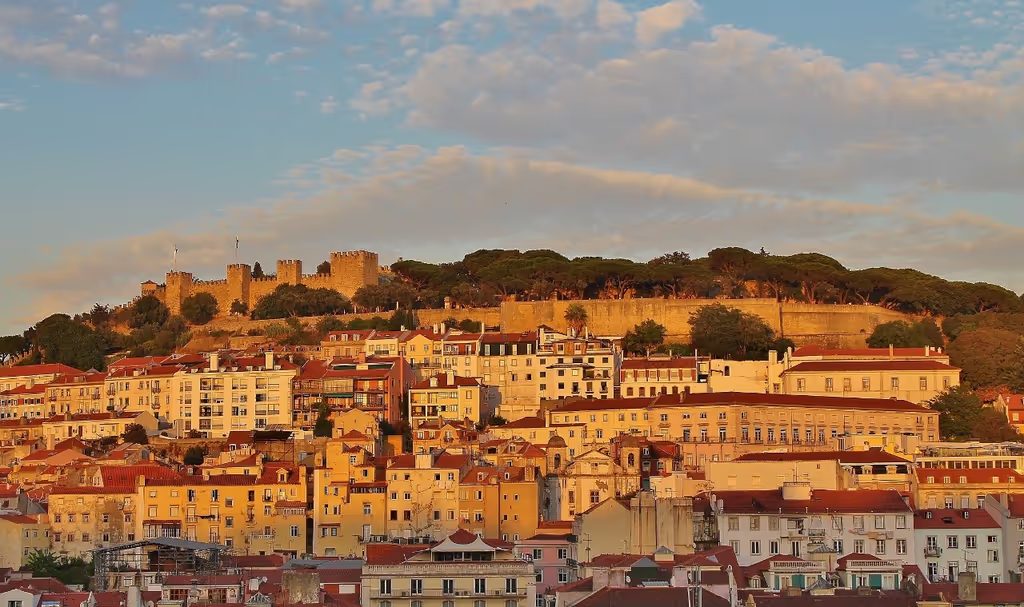
This four-hour private walk introduces you to Lisbon’s historic centre and its contrasting neighbourhoods. It is the broadest walking option in this selection, making it a good fit for first-time visitors who want a substantial introduction to the city.
Highlights include:
- Baixa Pombalina and the Roman Theatre
- Santa Luzia viewpoint and the narrow lanes of Alfama
- Sé Cathedral and Bairro Alto
- Santa Justa Lift and Rossio
- São Jorge Castle, with a fast-pass mentioned in the listing
Practical details to consider:
- Duration: 4 hours
- Listed start: 9:30 AM, under the Rua Augusta Arch
- Route: Adjustable for weather and guest preferences
- Walking level: Substantial, with hills and cobbled streets along the route
- Castle access: Fast-pass included, but monument entrance fees are not
- Holiday considerations: National monuments may close on public holidays, including 1 and 25 December
The climbs are the main physical demand. One previous guest recommended asking for seated breaks at strategic points along the route. If wet cobbles or steep streets are a concern, discuss a gentler pace and possible route adjustments with Joao before booking.
For visitors who want to cover a similarly broad area but would rather reduce the amount of uphill walking, a tuk-tuk offers a different way to see several neighbourhoods in one outing.
Lisbon: Main highlights - The Half Day Tuk-Tuk Tour by Alexandra V.

This four-hour private tuk-tuk tour covers several of Lisbon’s best-known neighbourhoods, from Alfama and Graça to Baixa, Bairro Alto and Belém. It suits visitors who want to see more of the city without committing to hours of uphill walking.
Highlights include:
- Alfama, Graça and the Senhora do Monte viewpoint
- Sé Cathedral, Portas do Sol and São Vicente de Fora
- National Pantheon, Rossio and São Roque Church
- Praça do Comércio and LX Factory
- Belém Tower, the Monument to the Discoveries and Jerónimos Monastery
- A stop at Pastéis de Belém
Practical details to consider:
- Duration: 4 hours
- Listed start: 10:00 AM
- Pickup: City-centre accommodation
- Transport: Private, open-air tuk-tuk
- Included: Water
- Not included: Meals, additional drinks and monument entrance fees
The main advantage is covering a wide area with less walking, which can be helpful when Lisbon’s hills feel demanding. The trade-off is exposure to the weather. The tuk-tuk is open-air, so bring waterproof layers and warm clothing, particularly for a four-hour outing in December. The Pastéis de Belém stop is included in the route, but you pay for your own pastries.
The tuk-tuk covers a wide area, but travelers more interested in understanding one historically important district may prefer to spend their time on a focused walk through Belém.
Private Walking Tour in Belém - Explore the Heart of Portuguese Discoveries by Tiago B.
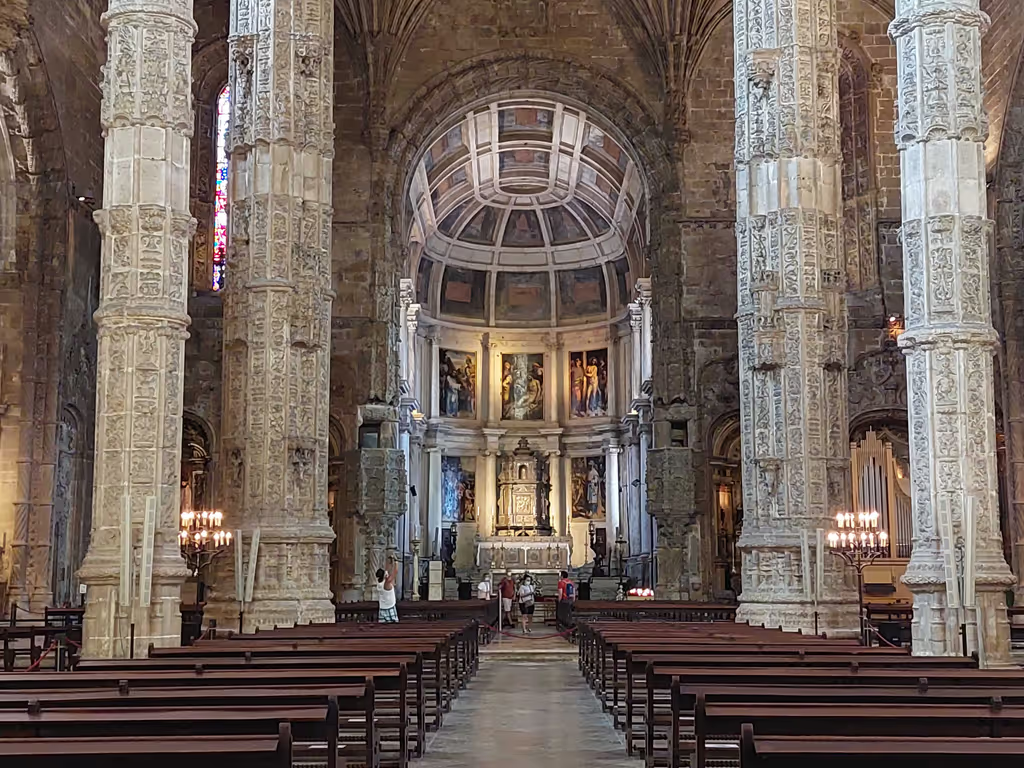
This three-hour private walk focuses on Belém, the district most closely associated with Portugal’s maritime history. It is a good choice for visitors who want a focused morning exploring the Age of Discoveries rather than a broad overview of Lisbon.
Highlights include:
- Jerónimos Monastery, a Manueline masterpiece connected to Vasco da Gama’s voyage to India
- A walk along Belém’s historic waterfront
- Belém Tower
- The Monument to the Discoveries
- A pastel de nata included during the tour
Practical details to consider:
- Duration: 3 hours
- Listed start: 9:00 AM
- Group size: Up to 15 people
- Tour type: Private walking tour
- Not included: Lunch and monument entrance fees
- Opening schedule: Jerónimos Monastery is closed on Mondays
The main advantage is the focused historical experience, particularly for visitors interested in Portugal’s maritime past. However, this tour is less suitable if you want to see several different Lisbon neighbourhoods in one outing. If visiting the monastery is a priority, choose a day other than Monday. The listing also recommends bringing an umbrella, warm clothing and weather-resistant shoes for cooler or rainy conditions.
Belém is particularly rewarding for visitors drawn to Portugal's maritime past. For a different kind of cultural experience, Lisbon's food traditions offer another way to understand the city, especially when the weather makes a slower indoor stop appealing.
Guided Food Tour – Classic Lisbon Flavours by Ida H.
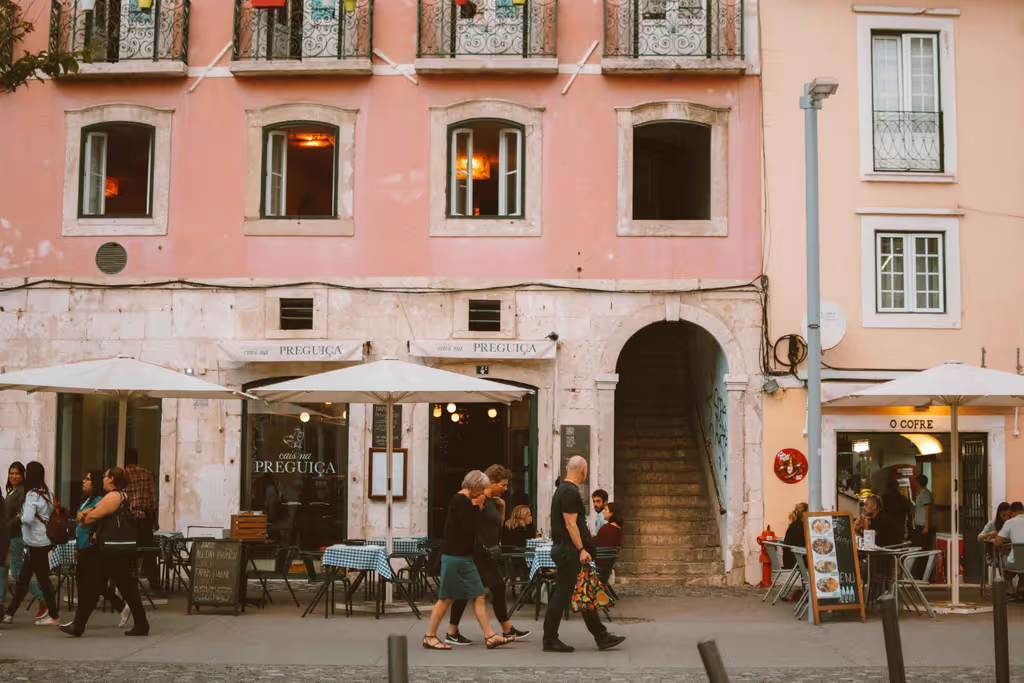
This three-hour private food tour introduces you to traditional Portuguese dishes through a series of tastings in Lisbon’s historic centre. It is a good fit for food lovers who want to understand the stories and traditions behind local cuisine, not just sample popular dishes.
Highlights include:
- Pastel de nata at Manteigaria
- A traditional bacalhau croquette made with salt cod
- A mini bifana, Portugal’s popular pork sandwich
- A Portuguese wine and cheese pairing
- A traditional dessert, with the guide explaining the stories behind the dishes
Practical details to consider:
- Duration: 3 hours
- Listed start: 10:00 AM
- Meeting point: Praça do Comércio
- Group size: Up to 15 people
- Included: Food tastings and one glass of wine
- Not included: Additional food and drinks
- Walking level: Mostly flat, with some walking between stops
The route is described as mostly flat, making it a less demanding option than Lisbon’s hillier sightseeing walks. Some tastings are quick and standing, while others are seated, which can be useful on a cold December morning. Comfortable shoes are still recommended. If you have food allergies or dietary restrictions, contact Ida before booking to discuss whether the tastings can accommodate them.
Food offers an immediate connection to everyday Portuguese culture, but Lisbon also has a more unexpected history to uncover. Travelers interested in the city's role during the Second World War may find the next tour especially distinctive.
Lisbon in the Shadows of World War II by Leonor A.
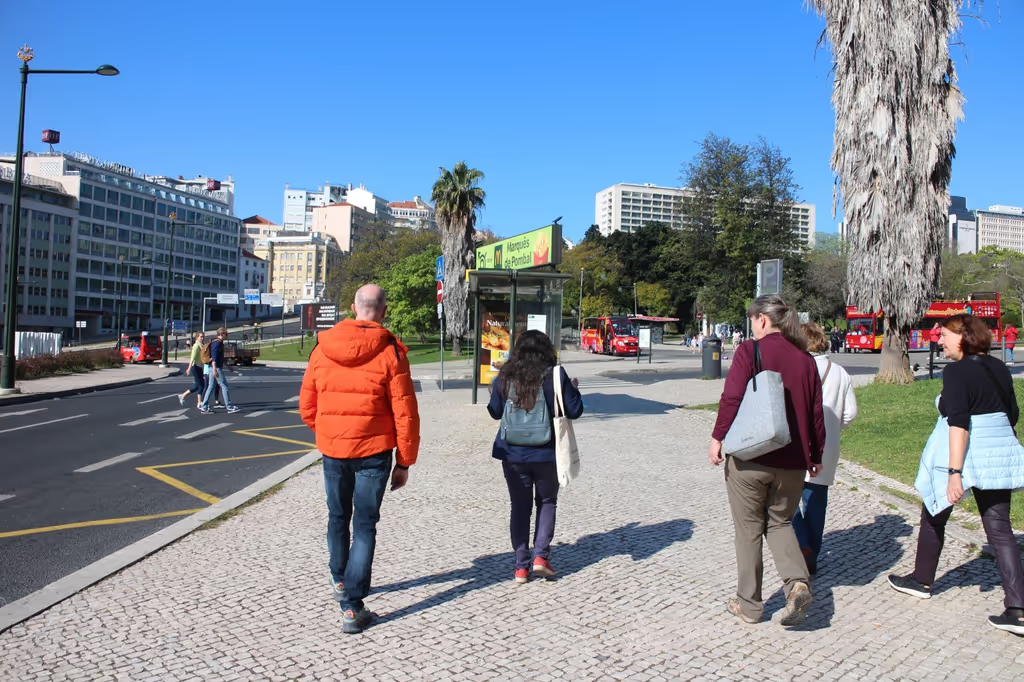
This three-hour private walking tour explores Lisbon during the Second World War, when the city became a refuge for people fleeing Europe and a setting for international espionage. It offers a distinctive historical perspective for visitors who want to look beyond Lisbon’s better-known landmarks.
Highlights include:
- Marquês de Pombal and Avenida da Liberdade
- Restauradores and Rossio Station
- Rossio and Rua do Carmo
- Chiado
- Cais do Sodré, where the tour ends
- Stories of wartime refugees, espionage and Lisbon’s role during the conflict
Practical details to consider:
- Duration: 3 hours
- Listed start: 2:30 PM
- Group size: Up to 6 people
- Tour type: Private walking tour
- Meeting point: Marquês de Pombal
- Not included: Transport to and from the meeting point, snacks and drinks
The afternoon start makes this an interesting option for December, but timing deserves attention. The tour is scheduled to finish around 5:30 PM, after sunset, so bring warm clothing and expect to explore some streets after dark. The guide does not provide transport, so arrange how you will reach the starting point and return from Cais do Sodré.
These options serve very different interests, and the most interesting itinerary is not automatically the best fit for every visitor. Before choosing, compare the practical details that will shape your experience.
How to Choose the Right Private Tour in Lisbon
The right tour is not necessarily the one that includes the most landmarks. In December, a better choice is one that matches your interests while respecting your available time, walking comfort, and tolerance for changing weather. A focused experience may be more rewarding than trying to cover the entire city in one outing. Use the following points to compare the options before contacting a guide:
- Interests: Match the tour to your priorities, whether that is history, architecture, food or the wider city.
- Walking requirements: Consider how much climbing and cobbled walking you can comfortably manage, especially in wet weather.
- Duration: A three-hour tour suits a focused morning, while a four-hour tour covers more ground.
- Starting arrangements: Check the meeting point, start time and whether pickup is included, since some tours begin at a landmark and others from your accommodation.
- Flexibility: Ask whether the route can be adjusted for weather, pace or specific interests before you book.
- City tour versus day trip: Decide whether you want to spend your limited time in the city or take a day trip out of Lisbon.
A few minutes spent comparing these details can help you avoid choosing a tour that looks appealing on paper but does not suit the way you want to experience Lisbon.
Conclusion: Enjoy Lisbon in December With the Right Local Experience
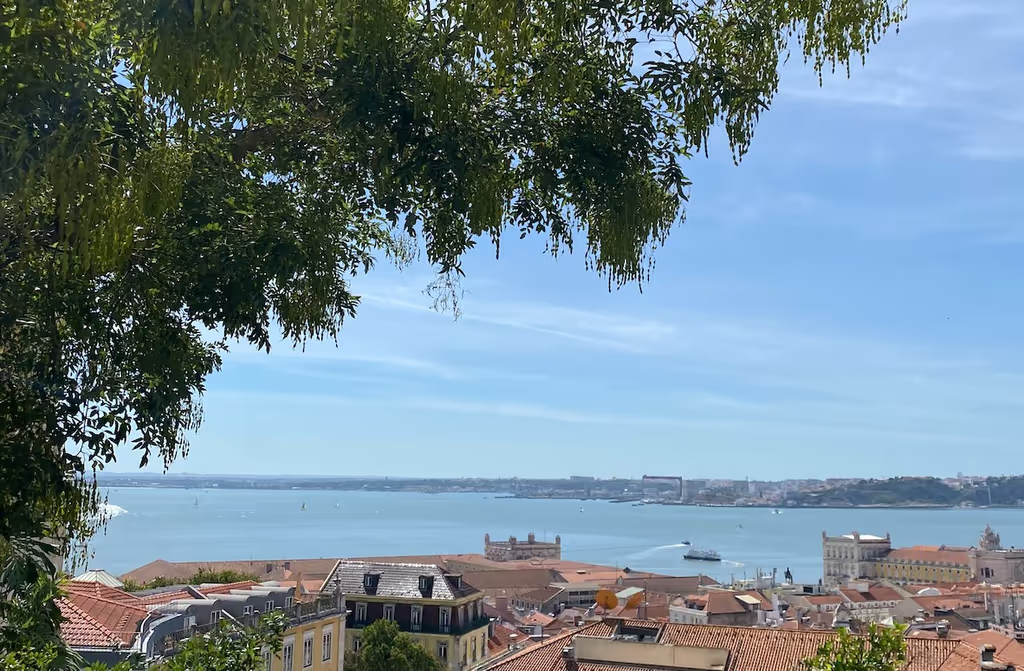
Lisbon in December is not the sun-drenched postcard many travelers picture, yet its rain-darkened cobbles, quiet café corners, and winter light give the city a character you will not find in peak summer. It is a rewarding city break for travelers who accept its trade-offs, with cool evenings, regular rain, early sunsets, and slippery pavements shaping how each day unfolds.
To set yourself up for a smooth trip, keep these winter planning priorities in mind:
- Weather and daylight: Build your days around early sunsets, cool evenings, passing showers, and wet cobblestones.
- Holiday schedules: Pick your dates with Christmas and New Year in mind, since closures, changed hours, and special events affect how the city runs.
- Day trips: Treat outings outside Lisbon as a deliberate choice rather than an automatic add-on.
- Local support: Lean on a guide for the parts that are hardest to plan alone, including walking routes, pacing, timing, and historical context.
Once you know what December involves, the next step is matching your travel dates to the right local support. Choose a private tour in Lisbon and message your guide to customize the pace, route, and starting arrangements around your trip.
Approached on its own terms, December offers a slower, more atmospheric Lisbon that stays with you long after you head home.
Frequently Asked Questions About Lisbon in December
Is Lisbon warm enough to walk around in December?
Lisbon is mild rather than warm. Average highs are around 15°C (59°F), so walking is comfortable with layers, but the evenings are cool, and the wind off the river can feel colder. Choose waterproof, grippy footwear for the cobbles.
Does it rain a lot in Lisbon in December?
Rain is common, with roughly ten days of measurable rainfall in an average December. It usually comes in showers and spells, so most visitors can keep their plans with a backup for wetter days.
What should I wear in Lisbon in December?
Dress in layers, with a warm base layer, a fleece or sweater, a light insulated jacket and a waterproof shell or umbrella. Choose shoes with good grip, since many of the streets are paved with wet stone.
Are Lisbon's attractions open on Christmas Day?
Many are not. 25 December is a public holiday, and national monuments generally close. Confirm the hours of each attraction and restaurant with the venue before you plan.
Is a day trip from Lisbon worth it in December?
It can be, but winter daylight is short, with sunset around 5:15 to 5:25 PM. Choose a destination that suits your time and interests, and plan your return before dusk. Confirm transport times and seasonal schedules before booking.
Can I book a private tour in Lisbon in December?
Yes, but availability and start times vary, so confirm your preferred date and time with the guide before booking.