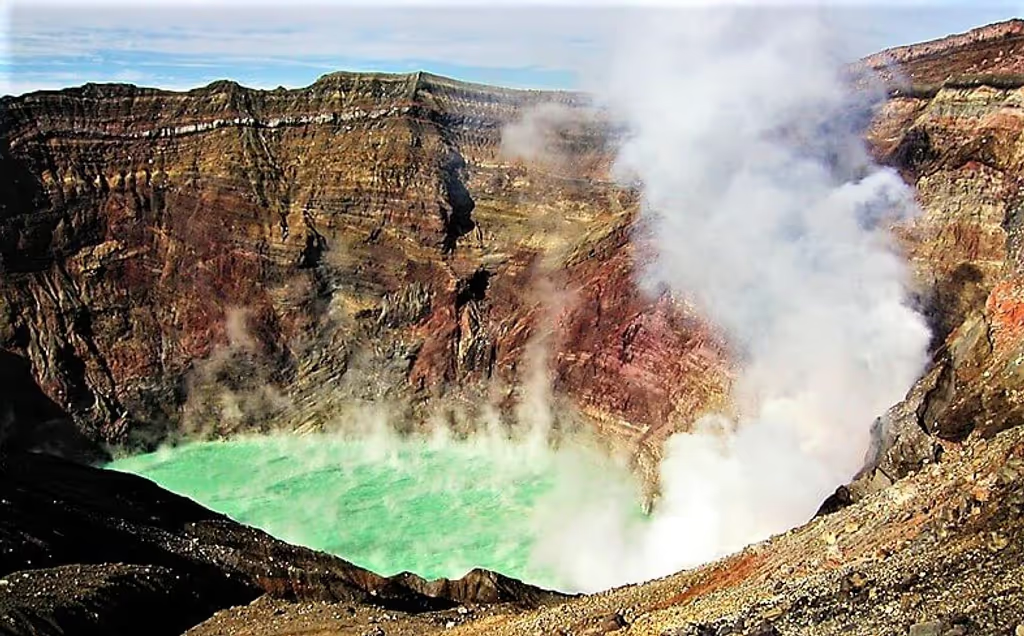
Imagine stepping out of Kumamoto Station on a cool morning, with the black walls of the castle rising above the trees ahead of you. By early afternoon, the air has changed. You are standing on the golden grasslands of Aso, the caldera stretching out to the horizon and a thin plume of steam drifting from the active volcano. The question is how you get from one scene to the next without spending your day gripping a steering wheel, searching for parking, or squinting at a bus timetable you cannot read. Exploring Kumamoto well depends on choosing the right way to travel, and a private driver often gives you the most room to adapt when the mountain changes its mind.
If you have been wondering whether the mountain drive to Aso is too stressful, whether a volcanic restriction could ruin your day, or whether the city and the caldera can fit into one day without rushing, you are asking the right questions. That is why I made this guide: to walk you through what a private vehicle actually solves, how to structure your day, what to verify before you book, and which private car tour options in Kumamoto best suit your group.
Before you dig into full-day timelines, crater backup routes, and pricing units, use this quick snapshot to see if a private vehicle actually fits your Castle and Aso trip.
Is Hiring a Private Driver in Kumamoto Worth It for Castle and Aso Day Trips?
Deciding whether to hire a driver comes down to logistics rather than luxury: pairing a morning at Kumamoto Castle with an afternoon in the Aso caldera means covering two very different landscapes on a single clock. Use the quick breakdown below to see if a private vehicle actually fits your group before you map out the route:
- What it is: A dedicated vehicle and driver that replaces rigid bus timetables and unfamiliar mountain roads with direct, point-to-point travel across Kumamoto City and Aso.
- Who it suits best: Families, groups with heavy luggage, and travelers who want a backup plan if volcanic restrictions limit crater access.
- Who may skip it: Solo travelers on a tight budget, or visitors who plan to spend the whole day in the city center.
- What to check: Whether the service is driver-only or includes a licensed guide with English fluency, since these are often different products.
- Best starting window: 8:00 to 9:00 AM, which gives you time at Kumamoto Castle before the drive up into the mountains.
- Simplest next step: Share your group size, luggage count, and preferred stops so a local provider can confirm a realistic route.
If you want to experience Aso’s caldera viewpoints without tackling the mountain drive yourself, check out the Mount Aso Full Day Tour by Steve R., a private car tour with a driving guide in a 4x4 SUV. Because the route is customizable, you can message Steve R. with your pickup details and group size to see if pairing a morning castle visit with Aso fits your pace before you commit.
Anyway, if those points match your trip, the next step is understanding what the day looks like on the ground. Kumamoto’s highlights are spread across two very different landscapes, and knowing what is open right now makes the difference between a relaxed itinerary and a frustrating one.
What You Can Actually See or Do on a Private Tour Today
Kumamoto looks different on the ground than many older guidebooks suggest. Ongoing restoration work following past earthquake damage still shapes how visitors navigate the city center, so planning with current conditions in mind starts right at the castle gates.
Kumamoto Castle and Suizenji Garden
These two landmarks anchor a morning in Kumamoto, though active restoration zones shape how you move through them:
- What is open and closed: The main castle keep and special elevated observation walkways are open to visitors, while several historic turrets and damaged sections of the stone walls remain closed for multi-year restoration. Confirm current admission prices on the official Kumamoto Castle website before you go.
- Walking and access: Expect steep stone approaches and detours around repair zones. Having a private vehicle drop you near the entrance saves significant walking energy on warm days or when traveling with older relatives and young children.
- A quieter city stop: Suizenji Garden offers tranquil ponds and classic landscape design as a gentle counterpoint to the castle’s hillside climb.
Once you wrap up these city highlights, the route climbs out of the urban basin and onto the winding mountain roads of Aso.
The Aso Caldera and Daikanbo Viewpoint
Navigating those mountain switchbacks is where a professional driver earns their fee. Set along the northern rim, Daikanbo delivers sweeping views across the caldera and frequently serves as your primary viewpoint when the central crater is restricted. Because the vista does not depend on crater access, it gives your itinerary a dependable anchor.
From that high northern overlook, most routes drop down toward the broad volcanic plains closer to the center of the caldera.
Kusasenrigahama Grasslands
These expansive volcanic plains are ideal for easy walking and photography, and they remain accessible even when higher elevations are closed. They offer a grounded way to experience the mountain landscape without relying on peak access. Just bring comfortable shoes and leave a few unhurried minutes to take in the scale.
If you have extra room in your schedule, or are linking regions together, some travelers also look at extending the drive beyond the main caldera loop.
Takachiho or Kurokawa Onsen (Optional Extensions)
Adding either destination turns a Kumamoto itinerary into a long, demanding day. Kurokawa Onsen’s hot spring village is a worthwhile detour if you want a slower pace, whereas Takachiho adds substantial driving time. Work closely with your driver ahead of time to confirm that the routing stays realistic without rushing.
- What can change: The Nakadake crater is subject to strict, shifting volcanic alerts. As of late October 2026, a Level 2 restriction kept visitors out of a roughly 1-kilometer zone around Nakadake’s first crater, meaning a knowledgeable guide will reroute you toward the northern caldera viewpoints if that restriction holds.
- Common misconception: Many visitors assume any “private driver” provides historical commentary, when many listings are transport-only.
- Bottom line: A realistic Kumamoto itinerary balances city heritage with dependable mountain viewpoints and keeps a flexible backup plan ready if volcanic conditions shift.
Confirming that backup plan before you arrive is the simplest way to protect your day, so message a private car provider with your travel dates to check current access conditions and see how their route adapts when the crater is closed. That single conversation will also clarify your ideal departure window, which is the next thing to get right.
Best Time to Start (Crowds, Weekdays vs Weekends, Seasonal Tips)
The hour you step into the car shapes the pace of your entire day. Because Kumamoto Castle bottlenecks early and mountain traffic builds by midday, timing your departure protects you from both crowded walkways and rushed viewpoint stops. Here is how crowd patterns, traffic, and seasonal shifts dictate your best start window:
- Crowds: Kumamoto Castle grounds fill up by mid-morning, so an early arrival lets you walk the walls and main tower ahead of large tour groups. While the Aso grasslands have fewer pedestrian bottlenecks, parking lots near popular viewpoints can fill quickly, especially in autumn.
- Weekdays vs. Weekends: Weekdays generally bring smoother traffic along Route 57 and the Aso Milk Road climbing into the caldera. Weekends draw heavier local and domestic tourism around Aso, which slows transit between stops.
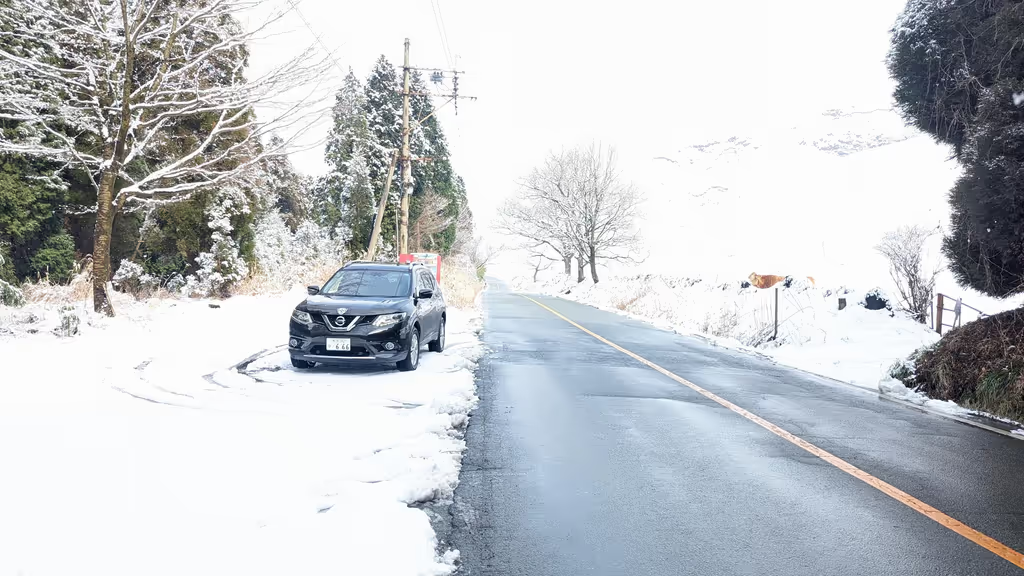
- Seasonal Tips: Autumn attracts large crowds for the golden grasslands, while winter introduces unpredictable mountain road conditions where an experienced local driver becomes a clear advantage over a rental car.
- Recommended Departure Windows: Start between 8:00 and 8:30 AM for a full castle-plus-Aso itinerary to beat city crowds and reach the caldera before midday congestion. Choose a 9:30 AM start if you are focusing on a single region or arriving on a later Shinkansen.
- What Most Travelers Miss: Many visitors forget to check the official Aso Volcano Disaster Prevention Council website on the morning of travel, and they assume lunch will be a quick grab-and-go stop rather than planning a proper sit-down meal for local specialties like Aso beef.
A calm, well-timed departure protects your schedule and leaves room to adjust smoothly when mountain conditions shift.
Once your start time is locked in, the next step is seeing how long the full route takes and how it fits into your broader trip.
How Long a Private Tour Takes and How It Fits Into Your Trip
Most comprehensive Kumamoto and Aso itineraries take between 6.5 and 8 hours to complete comfortably. Trying to squeeze both the city and the mountain into a shorter window usually means skipping sights or rushing through the places that matter most to you. Here is roughly where your time goes:
- Pickup and luggage handling: Meeting at your hotel or Kumamoto Station and loading heavy bags into the vehicle.
- The mountain drive: Roughly 60 to 90 minutes from Kumamoto City up to the Aso region, depending on road conditions and traffic.
- Castle walking detours: Navigating steep stone approaches and repair zones around Kumamoto Castle.
- Caldera transit and parking: Driving the caldera loop and finding parking at busy major viewpoints.
One practical rule stands out above the rest: avoid booking a tightly timed Shinkansen departure right after your tour ends. Mountain traffic or a slower pace at the castle can easily push your return back by 30 to 45 minutes, and a comfortable evening buffer lets you enjoy the final views without watching the clock.
With the schedule settled, the remaining risks to manage are the ones that can derail a day most quickly: crater closures, mountain driving, and hidden costs.
Navigating Crater Closures, Mountain Roads, and Hidden Costs
Planning a trip to Kumamoto often raises worries about unpredictable volcanic closures, stressful driving, and unclear pricing. Addressing these six friction points upfront keeps your day predictable and your budget clear:
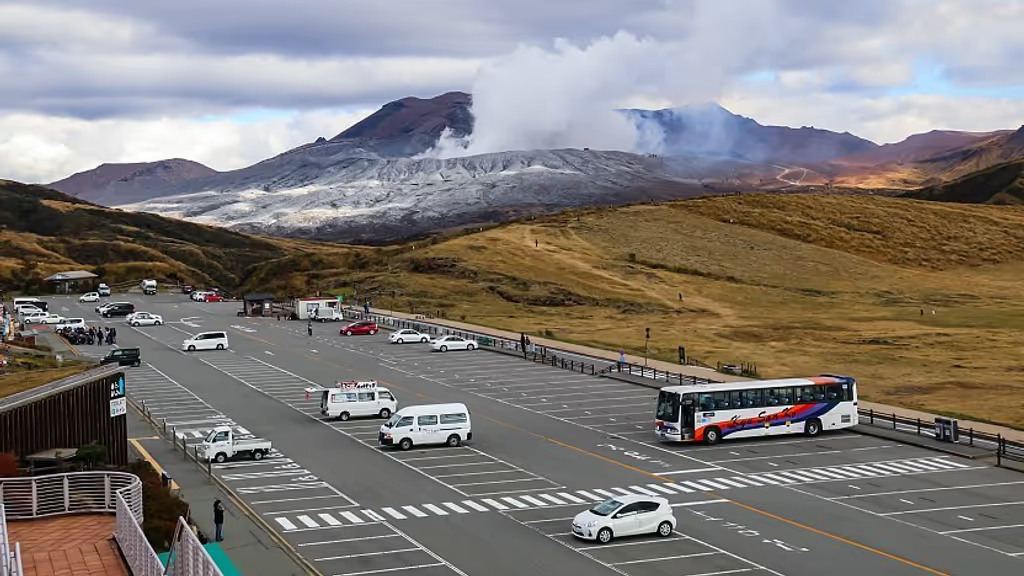
- Crater access: Restrictions around Nakadake shift with volcanic activity and gas readings, and a sudden closure can disrupt an itinerary without warning. Ask any provider how they reroute to reliable alternatives such as Daikanbo or Kusasenri if the crater is off-limits on your travel date.
- Mountain driving: Renting a car means navigating unfamiliar caldera roads while reading maps and hunting for parking at busy viewpoints, which builds fatigue quickly on a long day. Having a professional at the wheel lets you focus on the scenery and conversation with your group.
- Language: Some private services rely heavily on translation apps, which can create friction if you want historical context or need to adjust the route on the fly. If clear communication matters to you, confirm English fluency before booking and specifically request an English-speaking guide.
- Pricing units: Listings often mix per-car, per-person, and per-charter rates, which makes side-by-side comparisons confusing. Always verify the exact billing unit for your group size and if a quote is listed in yen, check the current conversion rate before you travel (roughly ¥158 to ¥160 per US dollar in mid-November 2026).
- Luggage: Arriving by Shinkansen means dragging bags through a busy station and hoping for an open coin locker. A dedicated vehicle takes your luggage directly from the station or hotel, removing a major source of stress at the start of the day.
- Late returns and extra fees: Mountain traffic or a slower pace can delay your return to the city, and some providers charge extra for each additional hour. Build a realistic time buffer upfront, and clarify whether tolls, fuel, parking, and commentary are included in the base rate before you confirm.
Managing all of those details on your own takes guesswork, whereas a single conversation with a local provider locks them down early.
Once those operational basics are settled, the next step is using a simple checklist to choose the provider that fits your travel style best.
How to Choose the Best Private Tour from Kumamoto
Choosing the right private tour comes down to matching the service to your group's pace and logistical needs. Because listings vary widely in what they include, comparing providers against the same standards prevents surprises on the morning of your trip. Use this checklist to evaluate your options consistently before you book:
- Driver-only vs. licensed guide: Decide whether you need basic point-to-point transport or a fully licensed guide who can share historical and cultural context at each stop.
- Vehicle and luggage fit: Confirm the vehicle size against your group count and luggage, especially if you are arriving directly from the Shinkansen.
- Crater backup route: Ask the provider about their specific backup route if the Aso crater is restricted on your travel date.
- Exact meeting point: Verify the exact pickup location, whether it is your hotel lobby, a station exit, or a specific arrival platform.
- Pricing unit: Clarify the pricing structure so you know whether the quote is billed per vehicle or per person.
- Upfront inclusions: Check whether lunch, castle admission, and mountain road tolls are included in the upfront cost.
The best choice relies on clear communication about your physical comfort and the driver's ability to adapt when mountain conditions shift. A provider who answers these questions directly is usually one who will look after you well on the day.
Once you know what to look for in a provider, the following three private tours offer a practical starting point, with each one tailored to a different kind of traveler.
3 Recommended Kumamoto Private Car Tour Options (What Each One Is Best For)
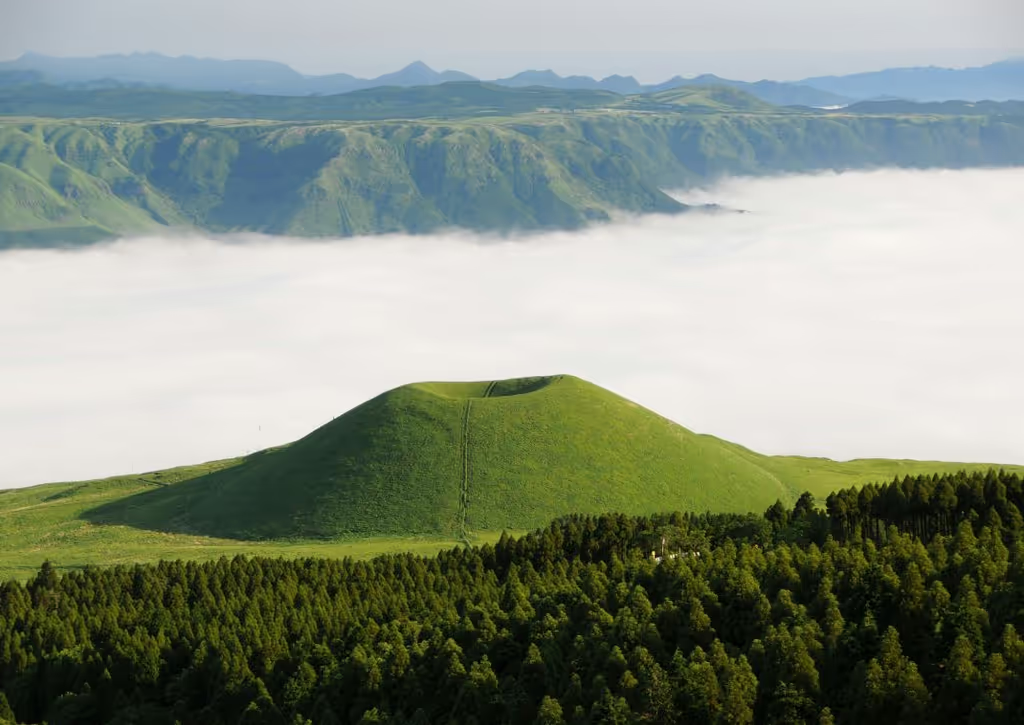
Not every traveler comes to Kumamoto for the same kind of day, and the best private tour depends on what you want to prioritize. Some visitors want to cover wide geographic ground efficiently, while others prefer a slower pace focused on regional history or dramatic volcanic scenery. To help you match your group's interests with the right vehicle and itinerary, compare these three recommended private car options below:
ONE PIECE Statues Tour by Steve R.
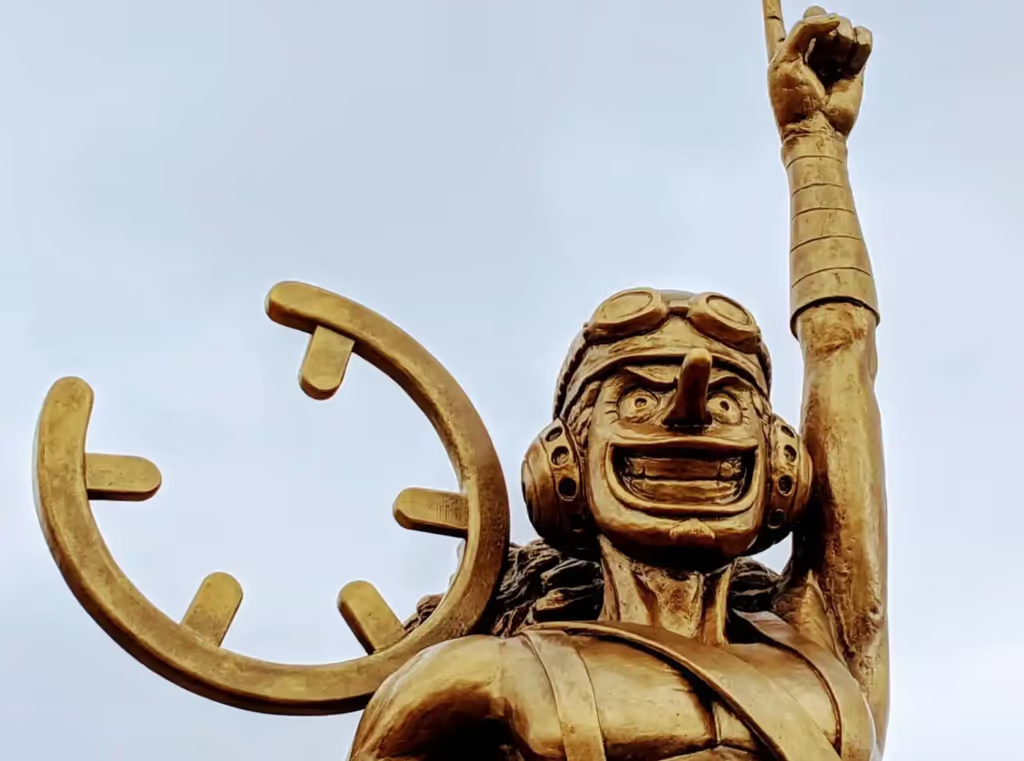
Best for: ONE PIECE fans, anime enthusiasts, families with older children, and travelers who want to visit all ten Straw Hat Pirates statues in one day without navigating multiple public transport connections.
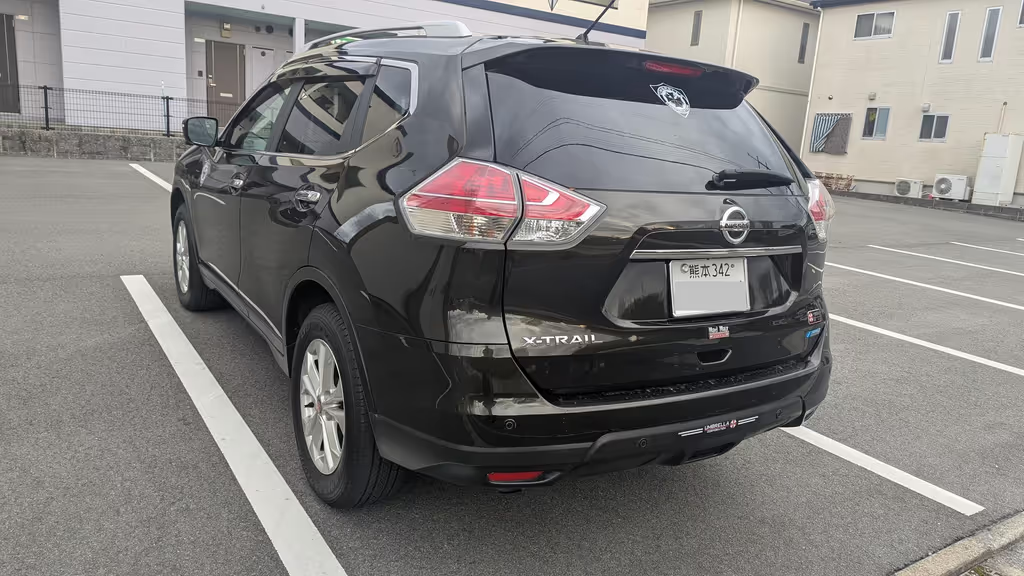
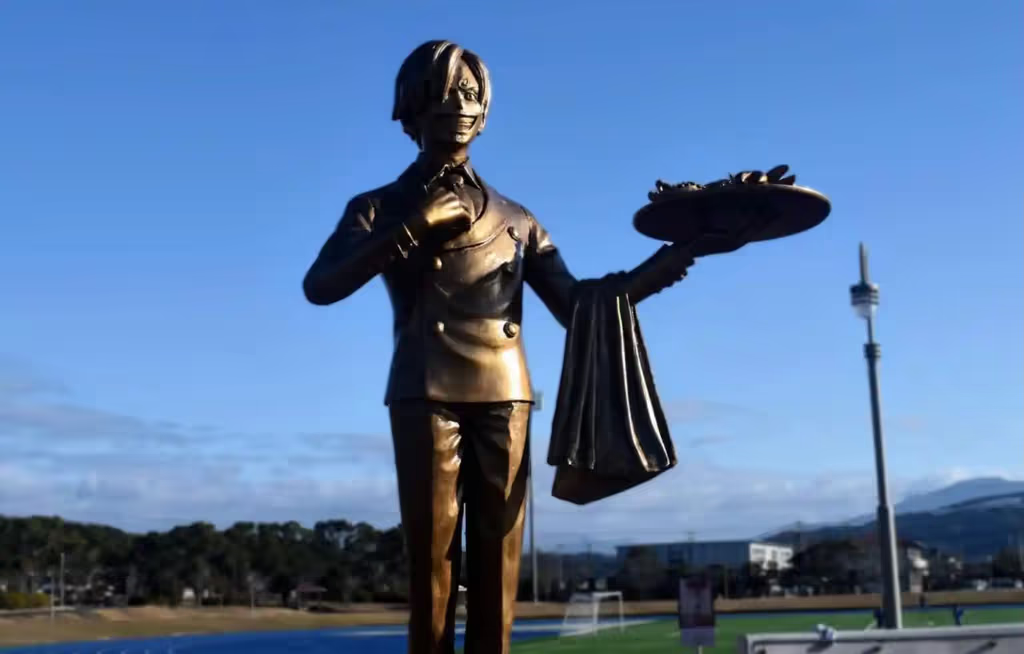
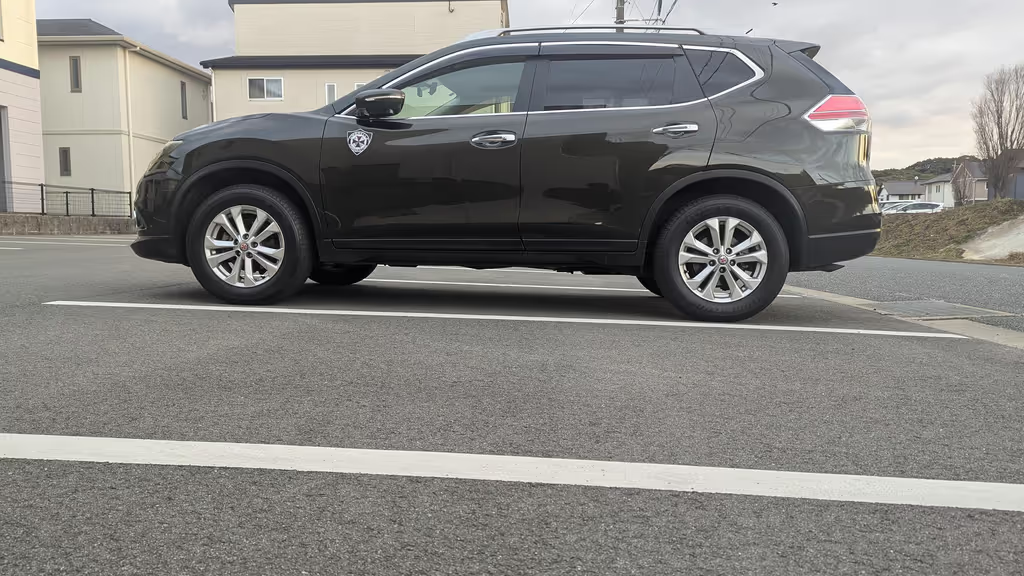
This 7.5-hour journey explores all ten character statues scattered across the prefecture, including the Luffy statue at the Prefectural Government Office and Franky at Takamori Station. Starting at 7:00 AM, you will travel in a Nissan X-Trail 4x4 SUV, which saves significant transit time between the widely dispersed locations. The itinerary is customizable and focuses on sightseeing by car with photo stops, though lunch is not included. Drop-off is conveniently handled at Tatsudaguchi Station.
For travelers who want something quieter and more historical, the next option moves the focus to Amakusa.
Hidden Christians Tour in Amakusa (full-day tour by my car) by Sakie U.

Best for: History enthusiasts, culturally curious travelers, couples, and visitors interested in Japan's Christian heritage, UNESCO World Heritage sites, and lesser-known destinations.
Starting at 9:30 AM, this 6.5-hour cultural deep dive takes you through the Amakusa Christian Museums, the Collegio Museum, and the UNESCO-listed Sakitsu Village. You will travel in a Honda Fit subcompact vehicle (tolls and gas included), exploring historic fishing villages and the Oe Church on foot. Because the car is subcompact, it is best suited for couples or small groups, and larger rentals can be arranged if requested before booking. The tour relies heavily on museum opening days, so schedule flexibility is helpful.
If your priority is the volcanic landscape rather than history, the Mount Aso tour offers a different kind of day.
Mount Aso Full Day Tour by Steve R.
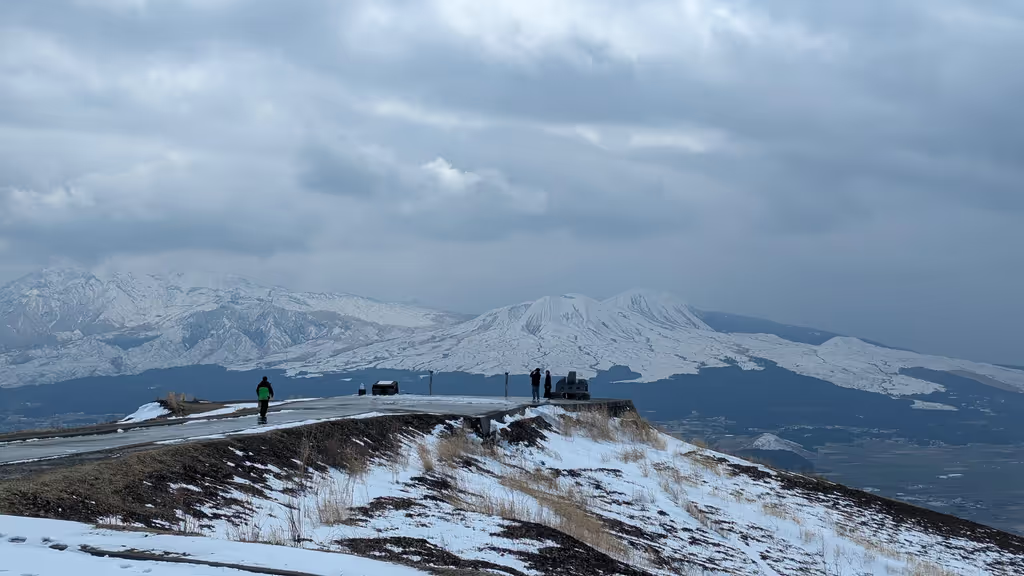
Best for: Nature lovers, outdoor enthusiasts, photography enthusiasts, couples, and travelers interested in experiencing Japan's volcanic landscapes without driving themselves.
Beginning at 8:00 AM, this 7-hour excursion covers the Aso Caldera, the panoramic Daikanbo viewpoint, and the active volcanic landscape, crater access permitting. You will ride in a Nissan X-Trail 4x4 SUV that can reach places larger buses cannot, with comfortable walking required near the crater parking area. The day includes scenic stops like Musashi Park and the Honda Motorcycle Factory, moving at a customizable pace. Volcanic access is always subject to current safety conditions, making the driver's local knowledge invaluable.
Whichever tour fits your interests, the common thread is a flexible private itinerary that adapts to your group.
Once you see how these private options handle the distance and timing for you, the final decision comes down to whether a private vehicle fits your travel style and budget.
Final Thoughts: Is a Private Tour Worth It?
Return to that morning at Kumamoto Station, with the castle walls ahead of you and the caldera waiting beyond the hills. The gap between those two scenes is where most travel plans fall apart, because the mountain can change its mind, the castle is still under repair, and a long day leaves little room for error. Before you book, keep these core takeaways in mind:
- Door-to-door ease: A private vehicle removes the stress of bus schedules, mountain driving, parking, and luggage.
- Smart timing: An early start beats the crowds and protects your timetable, while a realistic day takes 6.5 to 8 hours plus a buffer before any onward train.
- Built-in flexibility: Crater access can shift quickly, so choose a provider with a clear backup route.
- Upfront clarity: Confirm the pricing unit, inclusions, and level of guiding before you commit.
If you want to match those priorities to a concrete route, start with one of these three featured private car tours:
- Mount Aso Full Day Tour by Steve R.: Best for volcanic caldera views and scenic stops in a 4x4 SUV without driving yourself.
- Hidden Christians Tour in Amakusa (full-day tour by my car) by Sakie U.: Best for a quieter, cultural day exploring UNESCO coastal heritage and historic churches.
- ONE PIECE Statues Tour by Steve R.: Best for covering all ten monuments across Kumamoto Prefecture in one smooth, customizable drive.
With the right vehicle and route locked in, you can focus on the scenery instead of the logistics. Explore private car options in Kumamoto that match your travel dates, group size, and priorities so you can shape the day around the way you want to travel.
Hiring a private driver in Kumamoto turns an uncertain mountain day into a route you can trust, giving you the confidence to explore the region at your own pace.
10 Frequently Asked Questions About Kumamoto Private Tours
Can you do a private tour without a guide?
Yes, technically, you can hire a driver-only taxi service. However, relying purely on a driver often means no English commentary and navigating historical contexts on your own, whereas a good guide enriches the sites and handles complex on-the-fly rerouting.
Is the Mount Aso crater always open?
No, the Nakadake crater is frequently restricted due to volcanic gas emissions. Planners should always have a backup route to alternative viewpoints like Daikanbo or Kusasenri ready.
Can we see Kumamoto Castle and Aso in one day?
It is possible, but it makes for a long day requiring an early start. You must manage your time carefully to avoid being rushed on the castle grounds.
Are prices quoted per person or per vehicle?
This varies heavily by listing; some use per-charter or per-car rates, while others quote per person. Always verify the unit before booking to avoid budget errors.
Is it better to rent a car or hire a driver?
A rental car is usually cheaper, but hiring a driver prevents fatigue on unfamiliar, winding mountain roads and removes the stress of parking at busy viewpoints.
Do all private drivers speak English?
No, many local transport providers use translation apps to communicate. If fluent conversation is important to you, you must specifically book an English-speaking guide.
Can a driver pick us up directly from the Shinkansen with our luggage?
Yes, most private services offer station pickups and have room for your bags, saving you a trip to hotel lockers and smoothing out your arrival.
What happens if our tour runs over the scheduled time?
Mountain traffic or slow pacing can cause delays returning to the city. Providers usually charge an extra-hour fee, which should be clarified before your trip begins.
Are entrance fees and tolls usually included?
Inclusions vary by operator; some cover fuel and tolls, while castle or museum admissions are typically paid out-of-pocket on the day.
Is Kumamoto Castle fully accessible after the earthquake?
While much has reopened, there are still repair zones and steep stone approaches to navigate. Those with mobility concerns should verify current conditions and drop-off points with their driver.