


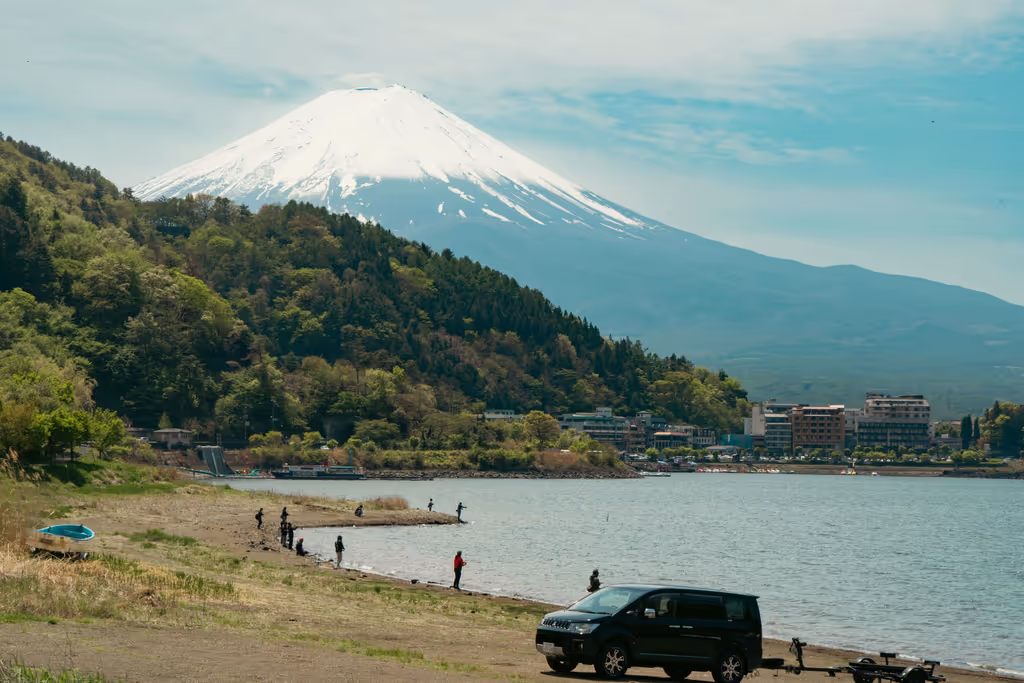
Standing in Shinjuku with a bus ticket in one hand and a private driver’s quote on your phone creates an immediate choice. The bus costs less and departs from a designated terminal. The private car promises to wait until clouds lift over the lake, bypassing crowded coach parks entirely. Both options reach Mount Fuji; deciding between them comes down to which choice delivers the exact day you want, and whether the extra expense provides tangible value.
Navigating the Fuji Five Lakes independently often reveals hidden hassles: missing a timed highway bus transfer leaves your group stranded at a windy station, while rental cars present foreign GPS systems, steep expressway tolls, and dense parking queues near Lake Kawaguchi. Deciding to hire a private driver in Mount Fuji solves these logistical pain points by handing over mountain road navigation, parking rules, and traffic timing to a local professional.
Working through these practical details makes selecting your ideal transport straightforward. Reviewing the quick operational facts below clarifies whether private transport matches your upcoming itinerary.
What to Know Before Hiring a Private Driver in Mount Fuji
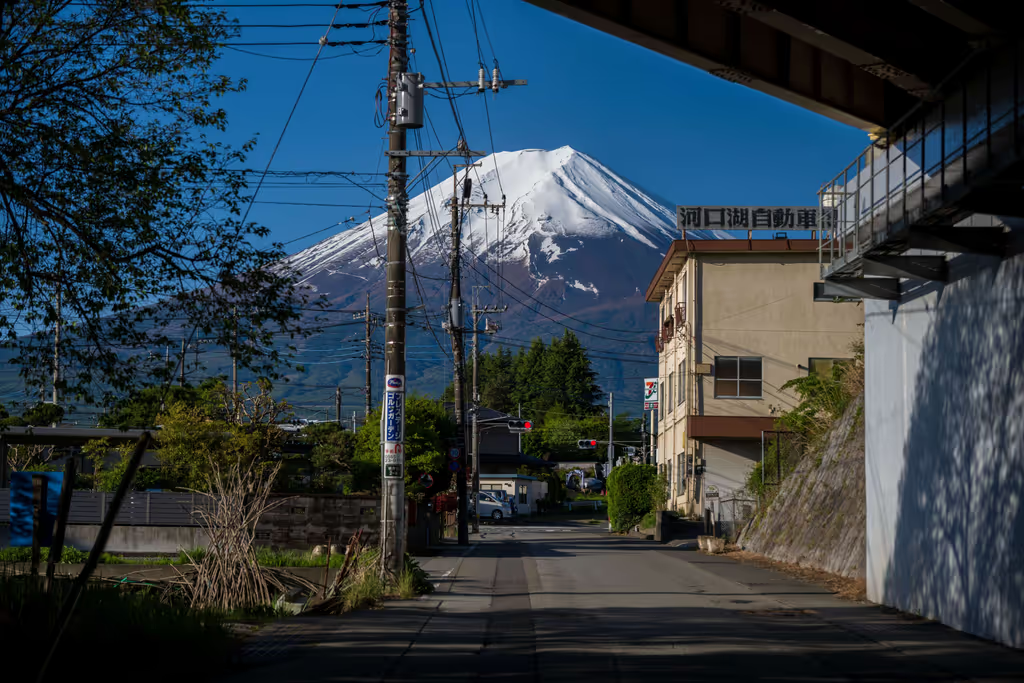
A private driver suits specific Mount Fuji itineraries exceptionally well, though alternative transport works better for smaller parties or flexible schedules. Reviewing the core operational facts below clarifies whether private transport matches your upcoming itinerary:
- When should you hire a private driver in Mount Fuji? Groups of four or more travelers, families traveling with young children or aging relatives, and visitors managing strict flight or cruise departure schedules.
- When is private transport not ideal? Parties of two on flexible schedules can complete the journey far more economically via direct express bus, regional train, or self-drive rental car.
- Do you need a driver-only or driver & guide? Driver-only arrangements provide direct door-to-door transit with basic directions, often accompanied by limited English commentary. A dedicated driver & guide delivers historical context, cultural commentary, and local route adjustments.
- Can you get summer private vehicle access to the 5th Station? Private passenger vehicles are restricted on the Fuji Subaru Line during peak climbing season, running from early July through September 10. Licensed commercial taxis, tour vans, and official shuttle buses retain direct access.
- What are the operational factors to watch out for? Mountain weather and cloud cover are not within the driver’s control. A skilled driver adapts the itinerary order and selects alternate vantage points, though no host can clear foggy skies.
- What determines total private driver cost? Total price depends on highway tolls, parking charges, driver overtime rates, and meal allowances, making total package comparison essential over basic headline rates.
When your travel dates, pickup location, and passenger count are already settled, sharing your itinerary priorities with a licensed transport specialist helps lock in an accurate vehicle rate before seasonal availability tightens.
These quick answers set baseline expectations, though applying them effectively requires evaluating passenger numbers against baseline transport costs. Transitioning from high-level facts to practical trip math reveals how group size fundamentally shifts vehicle value on the ground.
Is a Private Driver Right for Your Group?
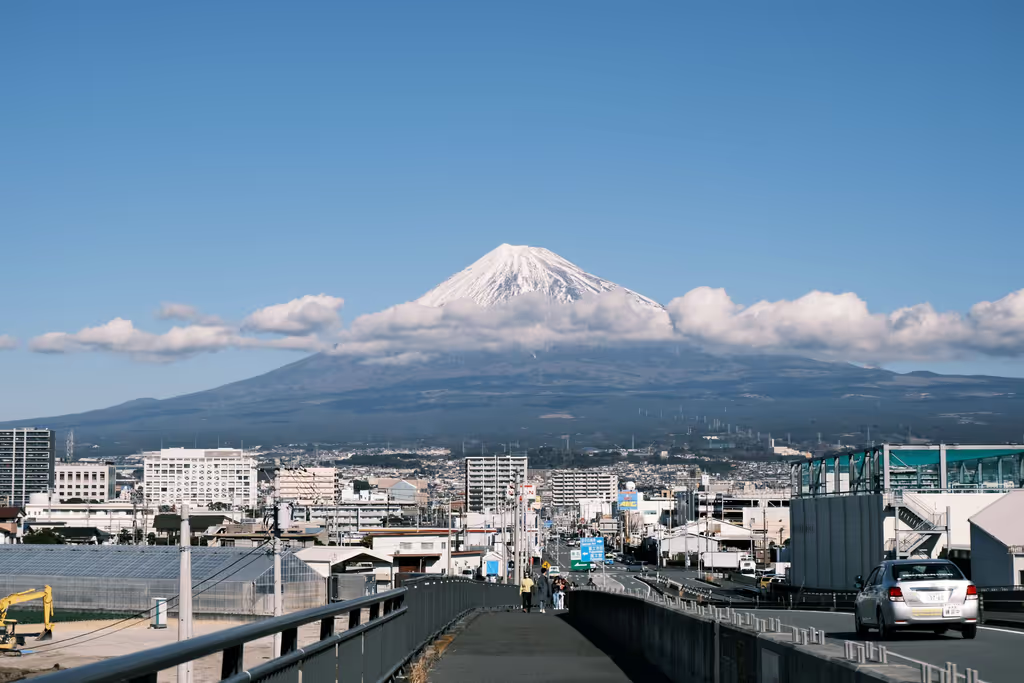
A private driver becomes cost-effective when group numbers divide the total vehicle fee efficiently. Parties of two generally find public express buses or regional trains significantly cheaper, with private vehicle charters rarely competing on raw baseline price. Adding third, fourth, or fifth passengers transforms the financial calculation, making dedicated private transport far more sensible.
Comparing Standard Transit Options
Evaluating how standard travel modes stack up against dedicated charters reveals clear financial and logistical differences across group sizes:
- Express Buses & Group Tours: Ideal for 1–3 passengers. These options offer budget-friendly rates ($400–$520 per couple on average) along fixed schedules, requiring travelers to meet at central city terminals rather than receiving hotel lobby pickup.
- Regional Rail (Trains): Serves 1–3 passengers effectively. Trains provide a moderate-cost journey ($240–$320 per couple using regional transit passes) along set departure windows, requiring station transfers at Shinjuku or Otsuki without direct door-to-door service.
- Self-Drive Car Rentals: Range between $200 and $350 before toll costs. Rental cars offer individual route control, though navigating expressway toll networks, regional traffic rules, and mountain parking logistics creates added driving stress.
- Private Driver Charters: Best for 4–9+ passengers. While initial total charter prices land higher overall ($250–$650), cost-per-person narrows rapidly with larger parties, delivering maximum value through complete route customization, dedicated luggage space, and direct hotel pickup.
Weighing these individual transport modes highlights how passenger needs dictate the most suitable travel arrangement on the ground.
Key Group Scenarios
Matching your group structure against specific real-world travel conditions helps confirm whether private transport provides genuine value:
- High-Value Scenarios: Families managing stroller schedules, travelers requiring step-free accessibility, or groups wanting to pivot routes based on live mountain visibility gain tremendous value from private transport. Cruise ship passengers operating under fixed port departure times similarly benefit from dedicated drivers capable of recovering lost morning hours.
- Standard Public Transit Scenarios: Smaller parties on relaxed schedules willing to accept fixed departure times often find public buses or regional trains entirely sufficient. Choosing private transport makes sense when itinerary control, physical comfort, and timing flexibility represent your main goals.
Understanding these operational scenarios allows you to select transport aligned with your travel pace. Consulting a local vehicle coordinator with your party size and luggage details ensures you receive exact vehicle recommendations tailored to your group's comfort.
Evaluating where private transport makes more sense sets the stage for selecting your ideal service model, as driver roles directly influence both price and overall experience on the ground.
Hiring a Driver-Only or Driver & Guide in Mt Fuji: Roles & Cost Implications
Understanding the operational differences between charter categories prevents unexpected surprises regarding commentary level and total expense.
Distinguishing between specialized driver classifications ensures your chosen service matches your expectations for onboard narration and route guidance:
- Driver-Only Service: Provides a modern vehicle and a licensed professional driver. The driver manages highway traffic, navigates mountain roads, handles parking logistics, and maintains schedule timing. Reviewing listing descriptions or confirming language ability directly prevents miscommunications during travel.
- Driver & Guide Service: Introduces an expert who drives the vehicle while actively narrating historical background, local culture, and regional geography. Licensed guides offer detailed commentary across lake stops, ancient shrines, and mountain viewpoints. This dual service commands higher rates, serving travelers seeking deep cultural insights, photography tips, and guided site walks.
Certain operators market driver & guide packages where the host functions primarily as a knowledgeable local driver rather than a licensed tour guide. Language proficiency and official licensing represent distinct qualifications, making direct verification prior to payment essential.
Clarifying these service parameters ensures you pay strictly for the exact level of guiding support your party desires.
Checking details directly with local charter hosts clarifies whether English commentary, guided sight walks, and full-day narration are bundled into your baseline quote. Resolving these driver specifications opens up the discussion around mountain access rules; summer regulations dictate which upper roads your vehicle can navigate.
Getting to the 5th Station: Summer Rules and Alternatives
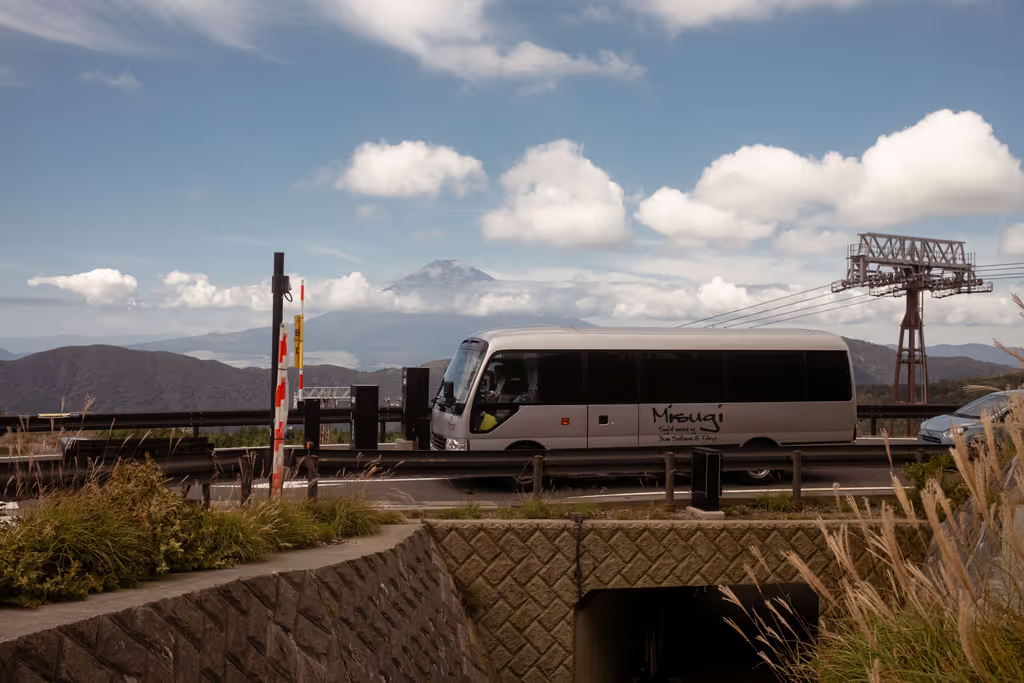
The Fuji Subaru Line provides primary vehicle access to the Fuji Subaru Line 5th Station along the popular Yoshida climbing trail. Yamanashi prefectural authorities enforce strict private vehicle restrictions on this toll road during peak summer climbing months, running from early July through September 10.
Summer Access Breakdown
Navigating summer road regulations requires knowing exactly how different vehicle categories are treated at the toll gates:
- Permitted Vehicles: Licensed commercial taxis, registered tour vans holding green license plates, and electric or fuel-cell vehicles possessing official permits retain direct access through the toll gates to the 5th Station complex.
- Restricted Vehicles: Personal rental cars and unlicensed private passenger vehicles are turned back at Fujisan Parking at the base of the mountain.
- Fujisan Parking & Shuttle Transit: Travelers using non-permitted vehicles park at Fujisan Parking (¥1,000 entry fee per vehicle) and transfer onto designated electric shuttle buses. Round-trip shuttle bus fares run ¥3,400 for adults and ¥1,700 for children.
Recognizing these vehicle distinctions prevents unexpected diversions and transit delays during peak summer months.
Off-Season & Toll Regulations
Outside the summer restriction window, vehicles access the Subaru Line directly, subject to daily weather and road conditions. Standard toll charges for private passenger vehicles run ¥2,800 round trip, payable strictly in cash. Heavy winter snow or icy road surfaces frequently close upper sections of the toll road, occasionally restricting travel to lower parking stations. Checking early morning weather notices avoids unexpected route changes.
Securing a licensed commercial private driver bypasses standard rental vehicle restrictions entirely, allowing direct drop-offs at the 5th Station complex.
Reaching out to an authorized charter provider allows you to verify whether your travel dates coincide with summer restriction windows and lock in direct 5th Station road access. This helps you build a flexible day-trip structure that allows your group to adapt to local weather, balance travel pacing, and handle cash-only stops smoothly.
Typical One-Day Itinerary: Route, Weather Contingencies, and Cash Management
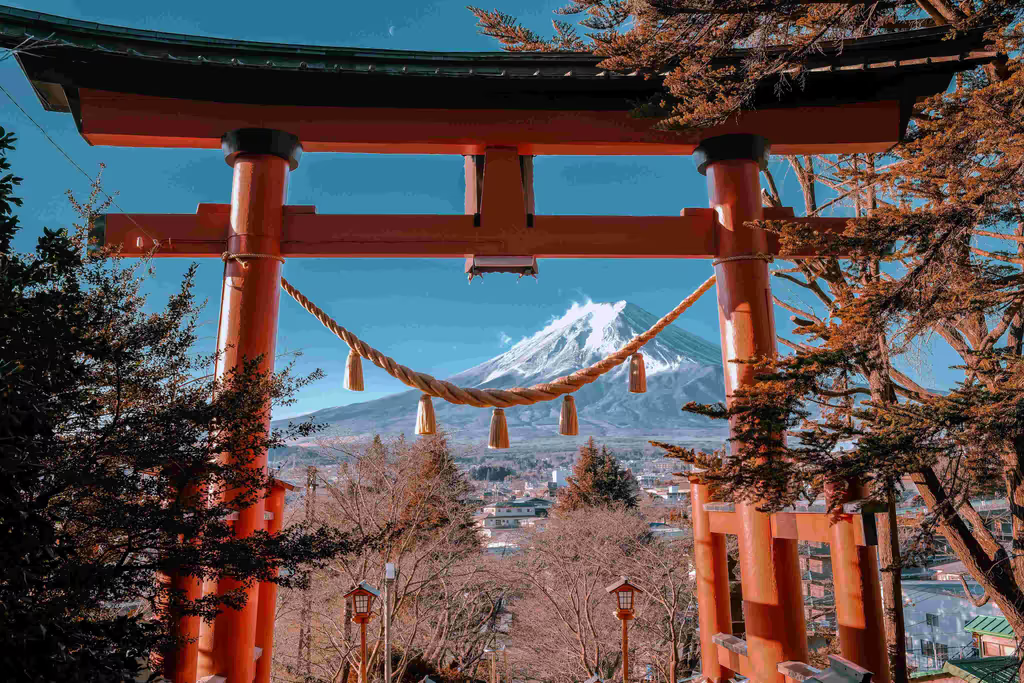
Departing central Tokyo around 07:30 avoids morning express traffic, placing your vehicle at Lake Kawaguchi when air clarity and mountain reflections reach peak conditions. Combining lakeside views with elevation stops creates a well-rounded single-day itinerary.
Structuring your time efficiently ensures your group experiences major regional highlights without feeling rushed:
- 07:30 AM | Hotel Departure: Pickup at central Tokyo hotel lobby, avoiding peak commuter highway bottlenecks.
- 09:30 AM | Lake Kawaguchi & Oishi Park: Morning lakeside walk, garden paths, and unhurried shoreline photography.
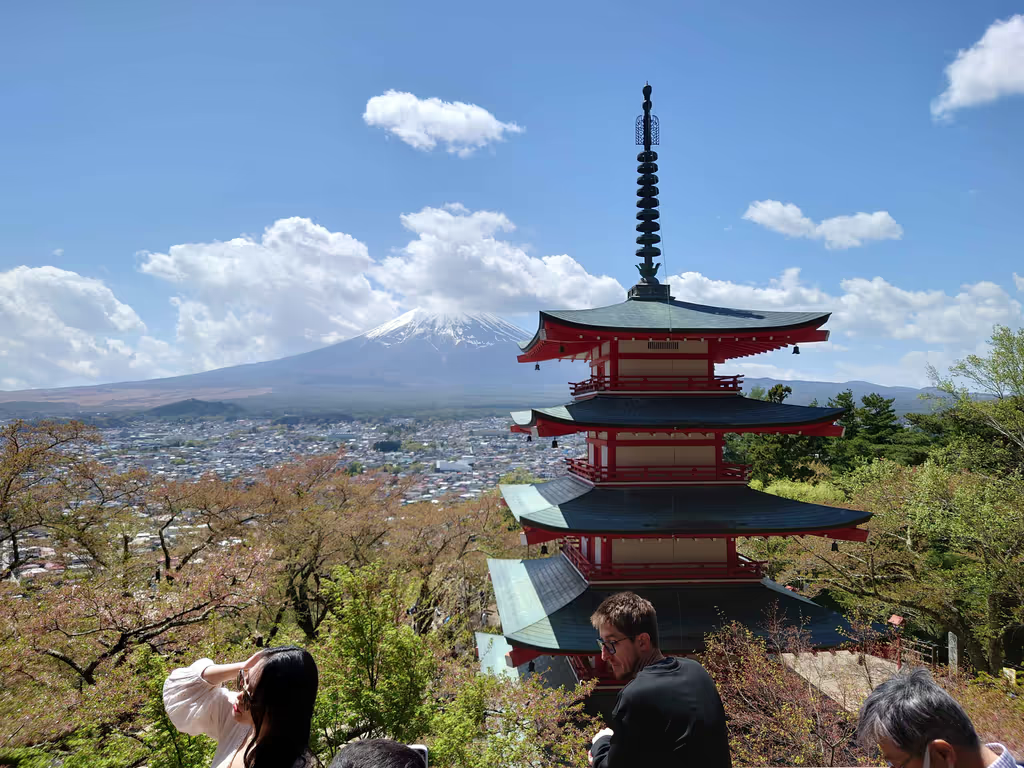
- 11:00 AM | Chureito Pagoda Viewpoint: Elevated panoramic vista point before afternoon tour bus crowds surge.
- 12:30 PM | Regional Specialty Lunch: Relaxed meal featuring local Hoto noodles or fresh mountain cuisine.
- 02:00 PM | Oshino Hakkai Historic Village: Traditional thatched-roof village exploration and crystal-clear spring ponds.
- 03:30 PM | 5th Station or Cultural Shrine: Drive up the Fuji Subaru Line 5th Station (when open) or explore Fujiyoshida Sengen Shrine.
- 05:30 PM | Return Transit: Evening return drive reaching central Tokyo hotels around 07:30 PM.
Following this structured progression keeps travel seamless, though remaining flexible on the ground is equally essential.
On-the-Ground Logistics
Managing daily operational details protects your group against sudden weather shifts and payment hurdles:
- Weather Adaptability: Cloud cover remains Mount Fuji's primary variable. Skilled drivers track real-time weather, shifting stop order dynamically so lakeside visits hit peak lighting windows.
- Cash Requirements: Japanese yen cash is mandatory across the Fuji Five Lakes. While major shops take credit cards, highway toll booths, shrine entry gates, street food stalls, parking meters, and shuttle desks operate strictly cash-only. Carrying smaller notes and coins speeds up every stop.
- Timing & Traffic Buffers: Heavy return traffic along the Chuo Expressway can extend driving times back into central Tokyo. Booking reliable drivers provides a customized tour quote, avoiding automatic hourly meter surcharges while keeping your return journey relaxed.
Addressing these logistical details ensures your day runs smoothly regardless of traffic or cloud cover shifts. Requesting a custom route review from a local driver helps align these timing blocks with your hotel location and family pacing requirements.
Preparing targeted confirmation questions allows you to evaluate prospective providers effectively before booking.
Private Driver Checklist: Essential Verifications Before Booking
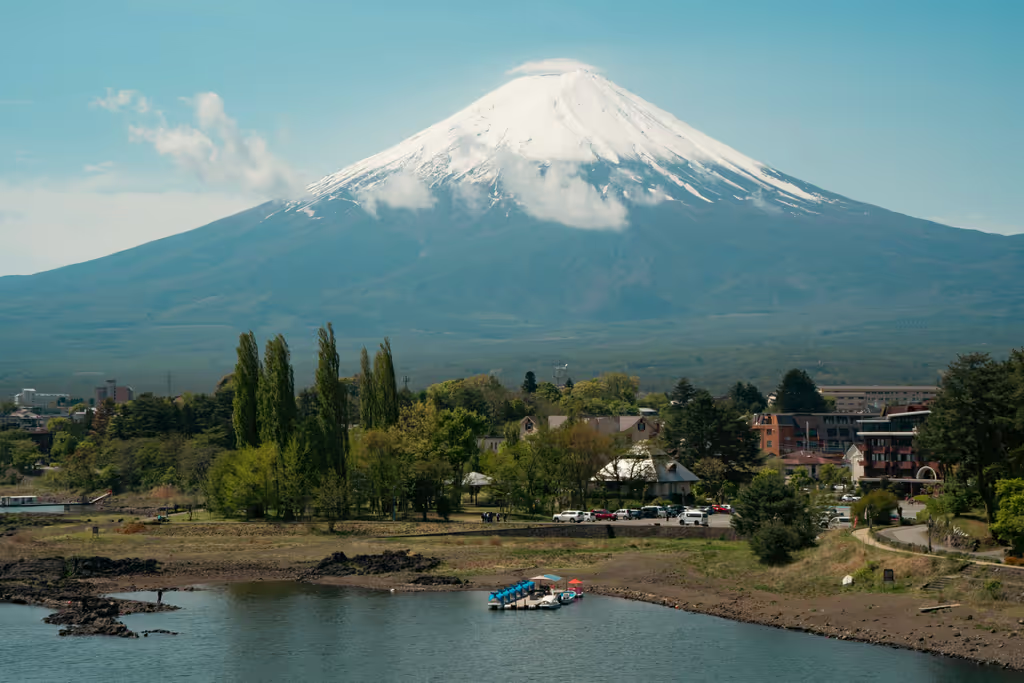
Comparing multiple charter providers using identical standards reveals major operational differences hidden behind basic marketing prices. Reviewing the essential checkpoints below ensures complete clarity before finalizing your reservation:
- Driver Classification & Language: Is the service driver-only or driver & guide? Does the driver possess fluent English skills adequate for detailed route narrative and live coordination?
- Vehicle Capacity & Luggage Space: Does the assigned vehicle accommodate your passenger total alongside all baggage? Sedans suit 1–3 passengers with light bags; minivans (such as Toyota Alphards) handle 4–5 passengers; large passenger vans (Toyota HiAce) seat 6–9 guests comfortably with full luggage.
- Fee Inclusions Breakdown: Does the total price cover fuel, highway tolls (¥2,800 Subaru Line toll + Chuo Expressway fees), parking charges, and local sales tax? Are driver meals, venue admission fees, or ropeway tickets included or billed separately?
- Overtime & Schedule Allowances: What exact hourly rates apply when traffic delays extend the return journey past 10 hours? How long will the driver wait at pickup points without incurring extra costs?
- Subaru Line Access Permitting: How does the provider manage summer road restrictions during your specific travel week, and does their vehicle hold commercial access permissions?
- Weather & Cancellation Terms: What exact refund provisions apply when extreme weather forces itinerary cancellations or mountain closures?
Licensing & Operator Reviews: Does the operator display official commercial transport licensing (green license plates in Japan), and do recent traveler reviews confirm punctual service?
Working through these operational items guarantees transparency across every aspect of your booking. Submitting identical route details, passenger count, travel dates, hotel pickup location, and priority sights to two or three vetted car tour operators makes price and service differences immediately apparent.
Once you know what operational criteria to look for, exploring actual verified driver listings reveals how these standards translate into real-world private charters.
A Day Tour to Mt. Fuji Area from Tokyo by Nobu S. with a Minivan
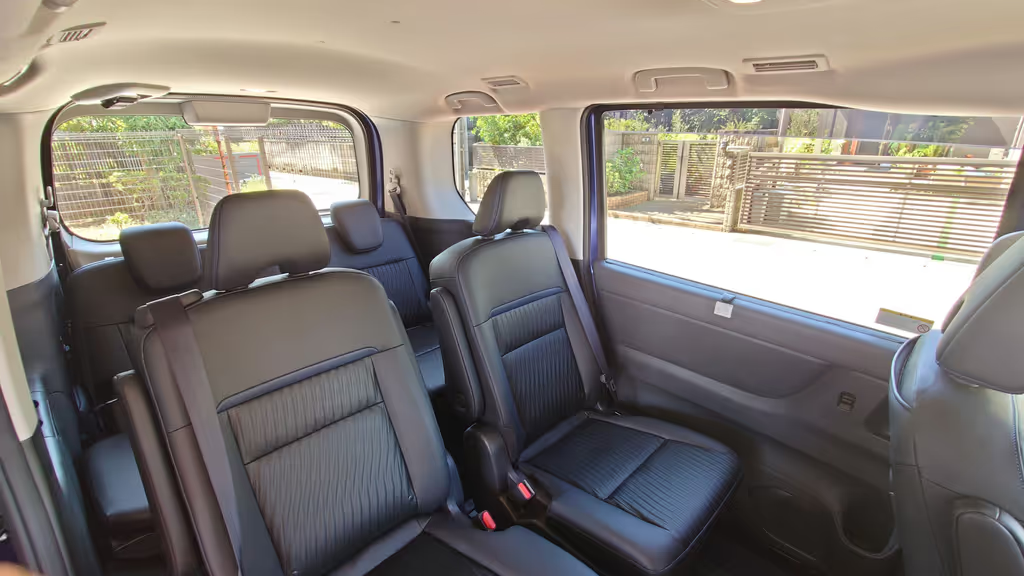
Led by nationally licensed guide and driver Nobu S., this 10-hour private minivan charter pairs central Tokyo hotel transfers with a flexible, unhurried tour of prime lakeside sights.
Tour features:
- Guide & Host Profile: Nobu S., a Licensed Japanese/English-speaking guide specializing in custom Kanto excursions.
- Duration & Capacity: 10 hours door-to-door. Recommended for 4–5 passengers (seats up to 6 plus driver) in a 2024 Nissan Serena Autech.
- Package Pricing: From $630 per group.
- Included Services: driver & guide fees, Tokyo hotel pickup/drop-off, vehicle charter, tolls, fuel, and parking.
- Out-of-Pocket Expenses: Admissions (Ropeway: ¥1,000 / $6.30 adult, ¥500 / $3.15 child; Cruise: ¥1,000 / $6.30 adult, ¥500 / $3.15 child; Nenba: ¥500 / $3.15 adult, ¥250 / $1.60 child), lunch and personal spending.
- Core Itinerary Highlights: 07:00 AM Tokyo pickup, Mount Tenjoyama Ropeway, 20-minute Lake Kawaguchi cruise, Oishi Park gardens, Hoto noodle lunch, and Saiko Iyashi-no-Sato Nenba historic village.
Combining a licensed chauffeur and expert guide in one host removes the hassle of booking separate transport. Nobu handles highway driving and parking while sharing insights on local history, culture, and dining.
While a full-day Tokyo pickup offers seamless hotel-to-hotel travel, visitors taking regional trains straight to the mountain can swap highway transit for immersive summit hiking trails instead.
Mitsutouge Pass Hiking and Waterfalls Tour by Chinami N.
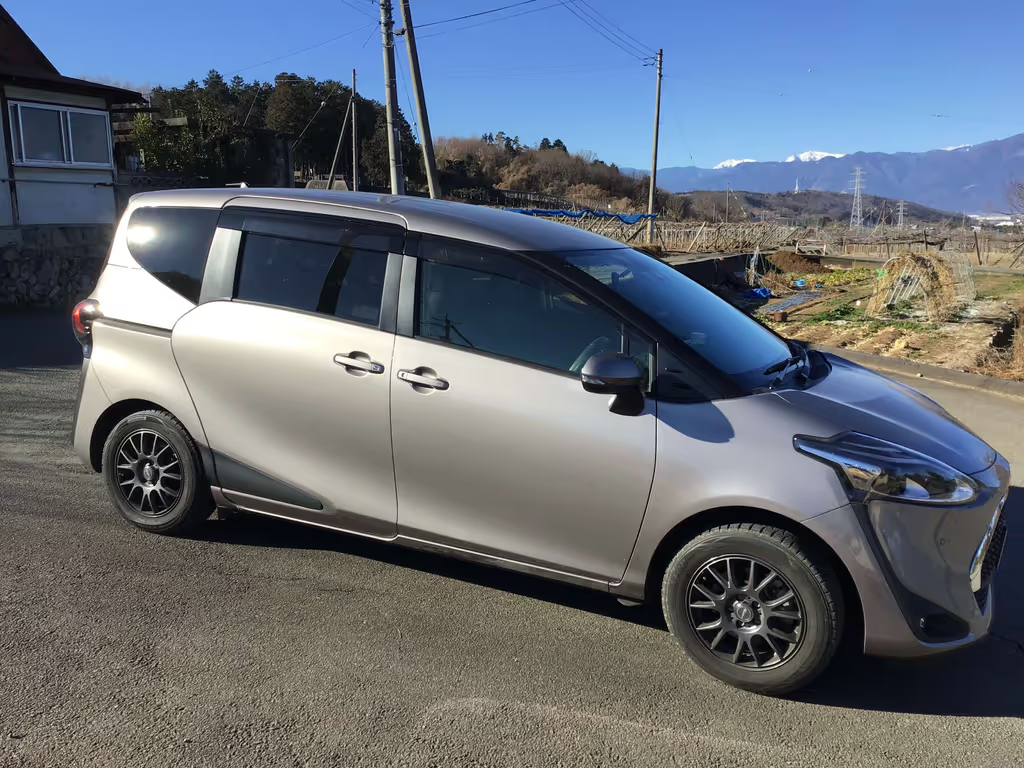
Led by nationally licensed guide Chinami N., this active 6-hour private tour pairs a scenic mountain summit hike with sacred forest waterfalls and panoramic skyline vistas above Lake Kawaguchi.
Tour features:
- Guide & Host Profile: Chinami N., a licensed tour guide specializing in Mount Fuji regional ecology, mountain hiking, and UNESCO heritage history.
- Duration & Capacity: 6 hours. Designed for active groups of up to 4 passengers in a 2021 Toyota Sienta.
- Package Pricing: From $309 per group.
- Included Services: Driver & guide fees, private vehicle charter, fuel, and Kawaguchiko Station pickup/drop-off.
- Out-of-Pocket Expenses: Meals, snacks, mountain drinks, and personal spending.
- Core Itinerary Highlights: 09:30 AM Kawaguchiko Station pickup, trailhead transfer, summit hike up Mount Mitsutoge (1,785 meters) for high-elevation views, Haha no Shirataki (Mother's White Waterfall), Tenku no Torii photo stop, and Kawaguchi Asama Shrine.
- Seasonal Rules: Operating strictly from spring through autumn; closed December through March for mountain safety.
Chinami’s local expertise turns a nature walk into an enriching cultural journey. Navigating steep, narrow mountain roads in her Toyota Sienta, Chinami handles the driving logistics while guiding guests safely across summit trails and forest streams.
For travelers who want to explore the region on a lighter timetable without undertaking a full mountain summit hike, a condensed half-day vehicle loop focused on local culture and hidden lava caves offers an ideal alternative.
Mt Fuji & Lake Kawaguchi: Private Half Day Tour by Ryohei K.
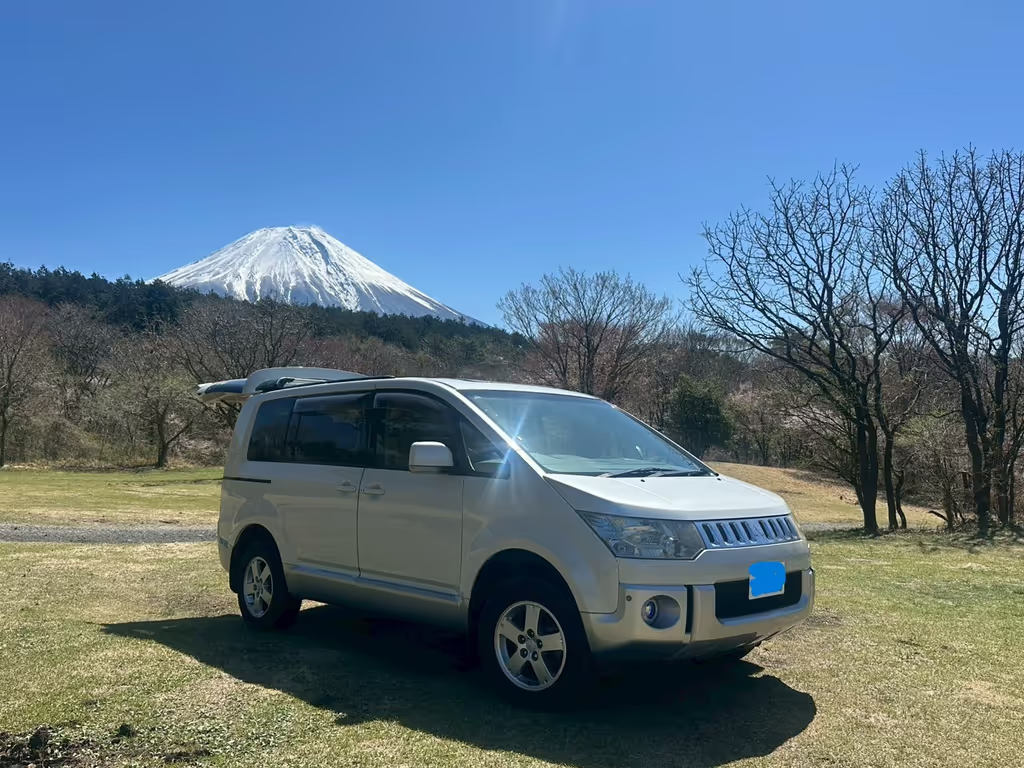
Led by local guide Ryohei K., this flexible 4-hour private charter delivers a focused introduction to the northern slopes of Mount Fuji, covering historic shrines, spring ponds, and volcanic forest trails without long highway drives.
Tour features:
- Guide & Host Profile: Ryohei K., a local English/Japanese-speaking guide based at Lake Kawaguchi, specializing in outdoor sports, nature walks, and custom sight routing.
- Duration & Capacity: 4 hours. Accommodates up to 6 passengers in a high-capacity Mitsubishi Delica.
- Package Pricing: From $252 per group.
- Included Services: Guide fees, Mitsubishi Delica charter, fuel, tolls, parking, and local hotel or Kawaguchiko Station pickup/drop-off.
- Out-of-Pocket Expenses: Meals, admissions (Wind/Ice Caves: ¥350 / $2.20 adult, ¥200 / $1.25 child each), and extra pickup fees if starting outside Lake Kawaguchi (Hakone, Mishima, or Shin-Fuji).
- Core Itinerary Highlights: 08:30 AM local pickup, Oshino Hakkai spring ponds, Kitaguchi Hongu Fuji Sengen Shrine cedar groves, Oishi Park gardens, and Aokigahara lava cave forest walks.
Ryohei’s local residency at Lake Kawaguchi enables fast, efficient movement between sights without wasting time on long transfers. Driving a spacious Mitsubishi Delica, Ryohei expertly adapts the route to avoid crowds and fit your family's preferred walking pace.
Local half-day charters suit travelers staying around Lake Kawaguchi; alternatively, groups seeking an executive multi-region journey can pair Mount Fuji with Hakone's volcanic landscapes.
Mt. Fuji and Hakone Day Trip with a Private Vehicle by Dave F.
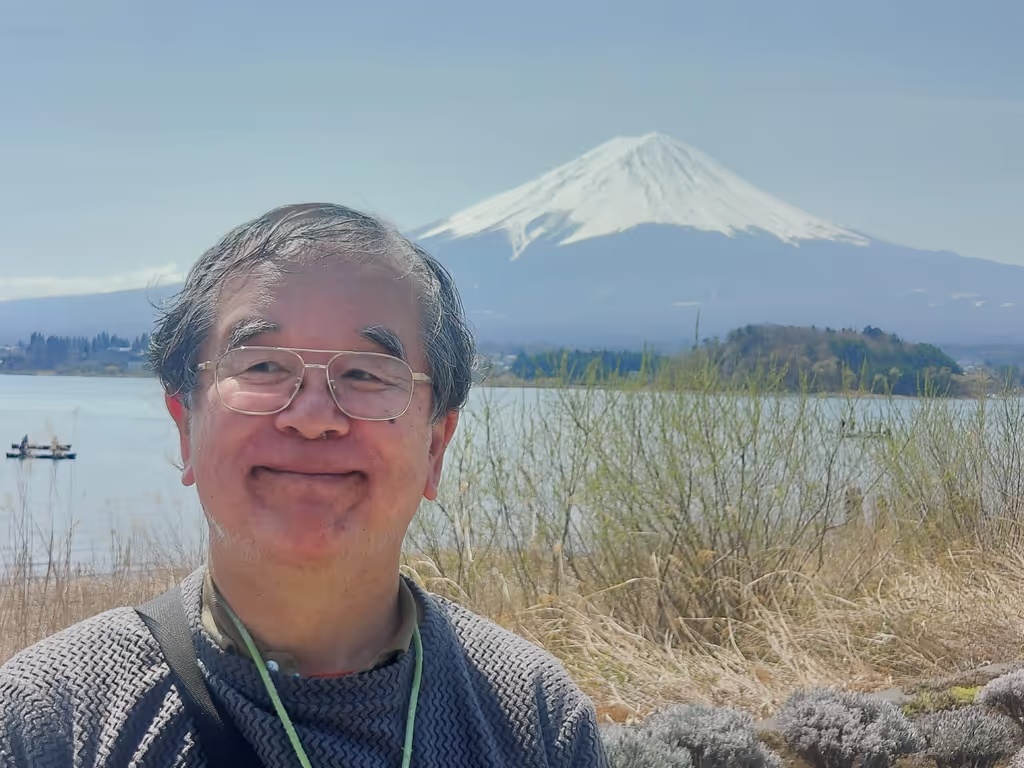
Led by licensed national guide and professional driver Dave F., this continuous 10-hour private charter connects central Tokyo hotels with a multi-stop route across the Fuji Five Lakes and the volcanic highlands of Hakone.
Tour features:
- Guide & Host Profile: Dave F., a Japanese national guide and licensed professional driver specializing in luxury minivan charters and dual-region day trips.
- Duration & Capacity: 10 hours round-trip. Accommodates up to 6 passengers in a premium white Toyota Alphard luxury minivan.
- Package Pricing: From $630 per group.
- Included Services: Professional driver & guide fees, Tokyo hotel pickup/drop-off, Toyota Alphard charter, fuel, tolls, and parking.
- Out-of-Pocket Expenses: Lake Ashi pirate ship cruise (¥1,700 / $10.75 per person), Owakudani cable car (¥3,000 / $19.00 per person), lunch (¥1,500–¥2,000 / $9.50–$12.65 per person), and personal spending.
- Core Itinerary Highlights: 07:00 AM Tokyo pickup, Lake Kawaguchi shoreline views, transfer to Hakone for a Lake Ashi pirate ship cruise, lunch in Hakone town, and Owakudani volcanic valley cable car ride.
Dave’s combined background as a chauffeur and licensed guide lets your group experience two major destinations without managing train or bus transfers between prefectures. Traveling in a premium Toyota Alphard, Dave ensures a smooth ride while adjusting schedule timing to match live traffic and weather shifts.
Selecting among these four distinct driver & guide offerings comes down to your group's transit logistics, physical activity goals, and available time on the ground. Connecting directly with a verified local host ensures your vehicle size, route priorities, and schedule requirements line up perfectly before you finalize your preparations.
Securing a Driver for Your Mount Fuji Day
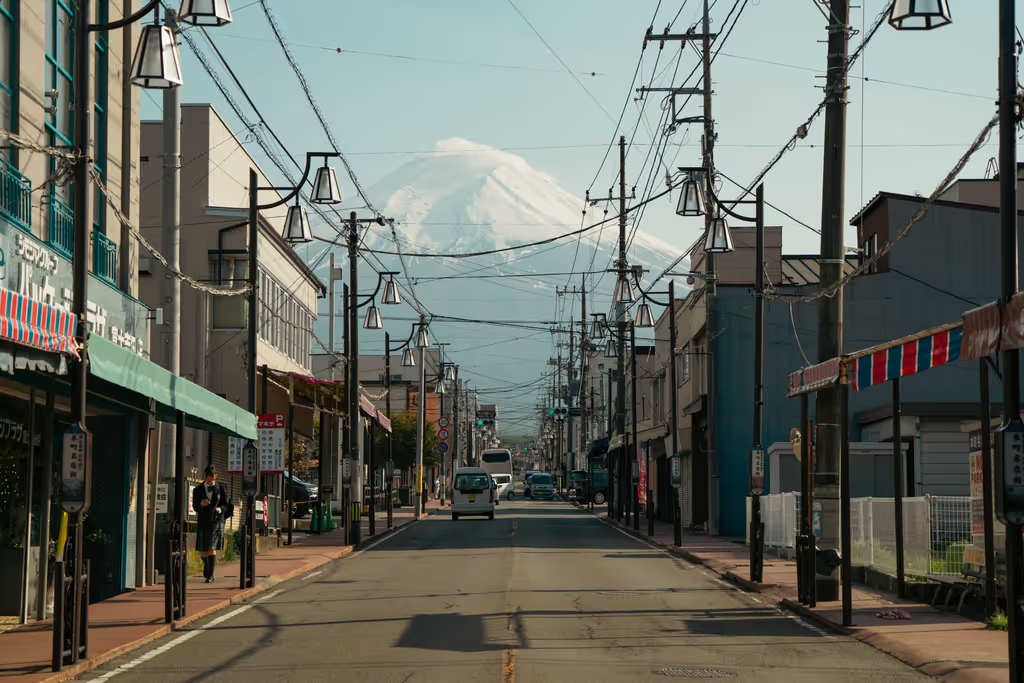
The bus in Shinjuku and the private car quote are both ways up the mountain. What you are really choosing is how much of the day you want to control. A bus runs to its timetable and costs less per seat. A private car runs to yours, and it can wait for a clear view, change the order of stops when the cloud sits low, and bring you back to your hotel without a connection to catch.
Most of the decision comes down to three checks, and each one is quick:
- Work out the cost per person by dividing the vehicle price by the number of travelers, then confirm which entrance fees, lunch, and tolls are excluded.
- Confirm the summer access rules before you commit, because from early July to September 10 the Subaru Line is closed to private cars, and the 5th Station visit depends on it.
- Check the winter road notices if you are travelling between December and March, since snow can close the road for part of the day.
A professional driver earns the fee in the moments a bus cannot cover. The car can be at the lake when the light is best, pause at a viewpoint while the cloud lifts, and turn a long road day into a relaxed one for children and older relatives. None of that replaces a clear view, which no booking can promise, but it does mean the day bends around the weather rather than against it.
Somewhere on the lake road, with the window down and the right driver beside you, the decision you made in Shinjuku will feel like the right one.
Mount Fuji Private Driver Frequently Asked Questions
Is hiring a private driver for a Mount Fuji trip worth the expense?
Hiring a private driver offers exceptional value for groups of four or more, families with young children, elderly travelers, and cruise passengers operating under strict time constraints. Solo travelers or couples on flexible budgets often find public express buses or trains more economical.
What sets a driver-only service apart from a driver & guide service?
Driver-only services deliver private vehicle transit and navigation with basic directions, often accompanied by conversational English. Driver & guide services combine transport with detailed historical commentary, cultural insights, and site tours, carrying higher overall rates.
Can private vehicles drive to the Mount Fuji 5th Station during summer?
Private passenger vehicles face access restrictions on the Fuji Subaru Line during peak summer climbing months (typically July 3 through September 10). Licensed commercial taxis, official tour vans, and shuttle buses operating from Fujisan Parking retain road access.
What expense items are standard in private driver package rates?
Reputable charter quotes generally include vehicle usage, professional driver services, fuel, highway tolls, and local taxes. Driver meals, parking fees, attraction entrance tickets, and overtime charges often require separate payment unless explicitly bundled.
Is cash required when taking a private vehicle tour around Mount Fuji?
Carrying Japanese yen cash remains necessary. Many local highway toll gates, parking machines, shrine donation boxes, small food vendors, and 5th Station shuttle desks accept cash payments exclusively.


