


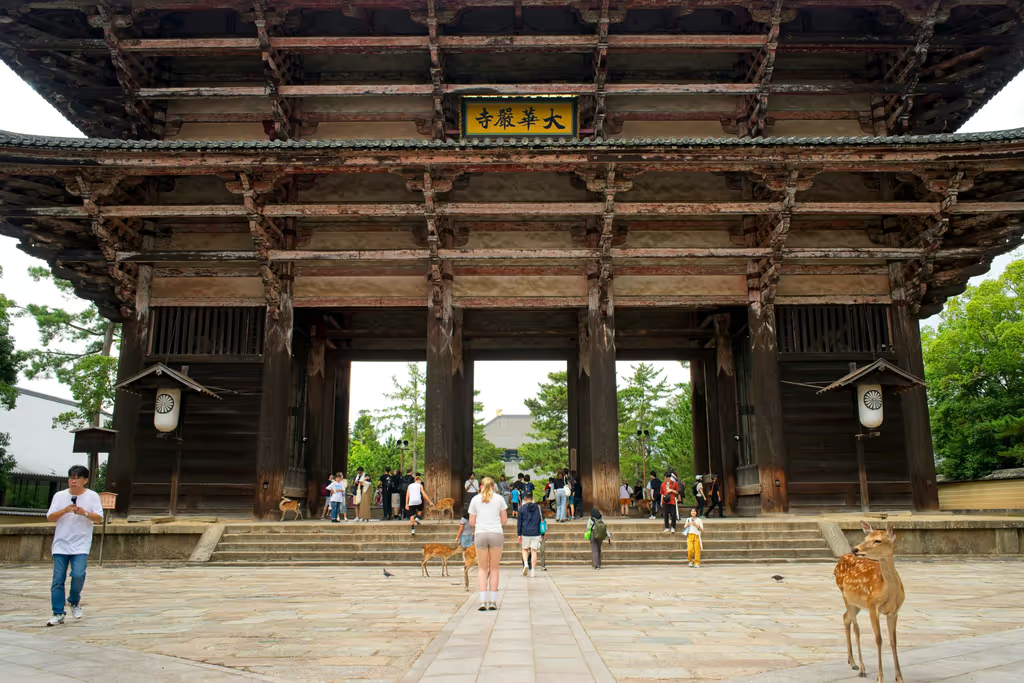
The train from Osaka pulls into the station, and the first thing your five-year-old notices is a deer standing calmly near the exit, looking at the crowd as though it has been expecting you. Your ten-year-old wants to know whether the deer can bite. You want to know whether the day can hold the deer, two of the big temples, and a lunch that doesn’t end in tears.
Nara is one of those cities that looks simple on a map and fills up quickly in real life. The park is free and full of animals. The temples are enormous, and younger children can lose interest in a giant statue faster than you’d expect. Crowds gather around the ticket counters, and the cash rule catches out families who arrive with only a card.
This guide helps you shape your family day trip in Nara, so it feels relaxed rather than rushed. It covers essential details like deer-feeding rules, temple costs across age bands, the train choice that minimizes walking, and adaptable sample schedules. Understanding these logistical choices makes all the difference when traveling with children, starting with the key planning fundamentals below.
Quick Answer: Planning a Nara Tour with Kids

Planning a trip to Nara with kids is a rewarding family day trip when structured around manageable walking routes, cash-only temple admissions, and safe deer interactions. The following essential details help parents build a seamless itinerary:
- Is it good for children? Yes, for most ages. The deer park is the main draw, and the temples suit children who enjoy scale and can handle crowds.
- How long should you plan for? A full day from Osaka or Kyoto suits older children. Younger children usually do better with a shorter, paced day.
- What do little ones enjoy most? The deer and the moment of feeding them crackers.
- What is the main challenge? Gravel, crowds, and midday heat, which tire young legs and strollers quickly.
- Which rule matters most? Feed the deer only official deer crackers, and keep your own food and maps out of sight.
- What should you check first? Temple child prices, seasonal opening hours, and whether the paid areas take cards.
These points establish the essential framework. Building the day around them ensures a balanced pace, and the following sections outline the exact steps required.
Parents seeking a second opinion on family timing prior to booking can reach out to a private guide to secure a tailored perspective. That personalized guidance brings into sharp focus why visiting Nara is perfect for your kids.
Why Visiting Nara is Perfect for Your Kids?

Nara is walkable, but walkable is not the same as easy. The main sites sit close together, and most paths are flat. Still, the surfaces include gravel, and crowds can turn a stroller into an obstacle. Heat and humidity add to the load, so children who usually cope well on a day out often run out of energy by early afternoon.
A smooth day depends on how your children handle three distinct environments: animals that come close, standing inside quiet temple halls, and navigating busy outdoor spaces. Matching expectations to your children's age brackets keeps the outing enjoyable for everyone:
- Toddlers (Under 4): Require frequent shade, extra hydration, and nap windows. Gentle deer encounters and open grassy lawns work best, while heavy gravel tracks can tire strollers quickly.
- Primary-School Children (Ages 4–11): Thrive when historical sights are paired with physical movement, such as hand-feeding deer or exploring open park trails. They benefit from a playful break or snack roughly every hour.
- Teenagers (Ages 12+): Appreciate historical context, photo opportunities, and the artisanal shops of the old town. Giving them ownership over one choice in the itinerary makes the trip feel collaborative.
Understanding how these age dynamics shape your family's pace helps you structure a balanced day. If you want help tailoring these age-specific rest stops and walking distances around your family's exact routine, message a private guide to map out a custom daily route.
Setting up this custom pace ensures every generation stays relaxed before stepping out into the open lawns and deer zones ahead.
Nara Park and the Deer: Rules, Risks and Rewards
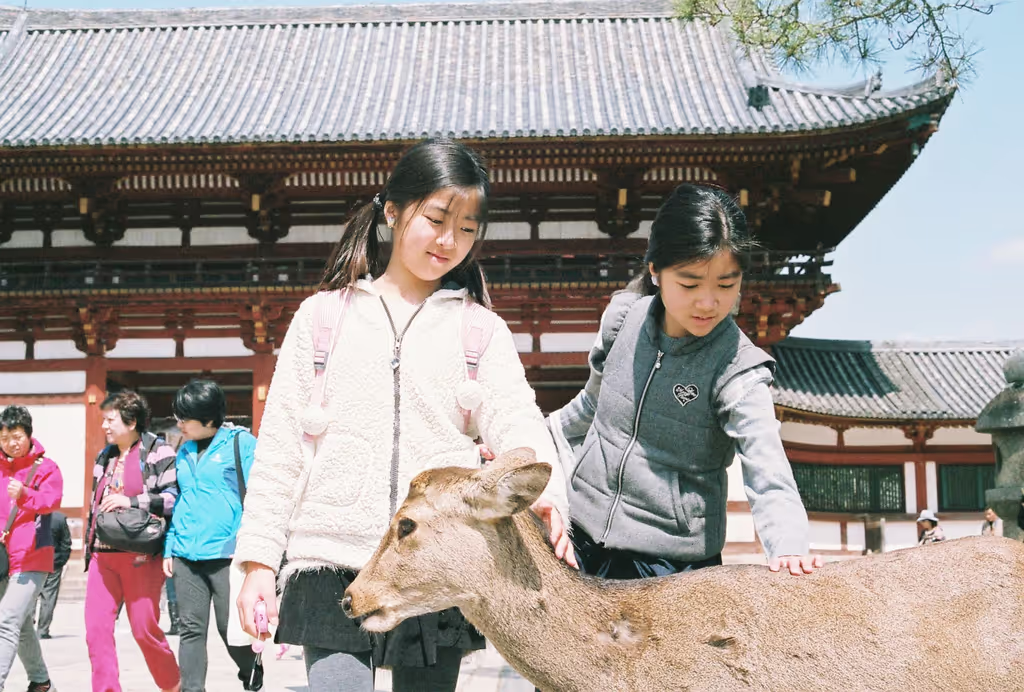
The deer are the main reason most families visit, and they are a genuine delight. Vendors around the park sell special deer crackers, known as shika senbei. Many deer bow politely when offered a treat, creating moments children remember for years. Approaching these encounters with care keeps the experience safe and positive:
- Approaching deer: Adult deer appear large to small children, while younger fawns bow less frequently. A slow, calm step works better than rushing forward.
- Feeding rules: Offer shika senbei exclusively. Avoid feeding human food, fruit, or bread. Keep paper maps, guidebooks, and personal snacks safely zipped inside backpacks.
- Managing strollers: Deer frequently nudge bags and search stroller baskets for hidden food. Keep lower storage compartments clear and maintain a firm grip on stroller handles.
- Crowd safety: Step back calmly when deer crowd a frightened child rather than waving arms or shouting.
- Seasonal behavior: Autumn marks the natural rutting season, making male deer less predictable. Give larger stags extra physical space during this period.
Knowing these practical safety measures helps prevent common friction points on the park grounds. Parents seeking tailored support navigating animal encounters or handling crowded feeding areas should consider hiring a private guide and contact them with their children's ages to set up a stress-free route.
Managing wildlife interactions smoothly creates a comfortable transition toward the massive wooden temples waiting ahead.
Todai-ji and Kasuga Taisha: Costs, Hours and What to Skip
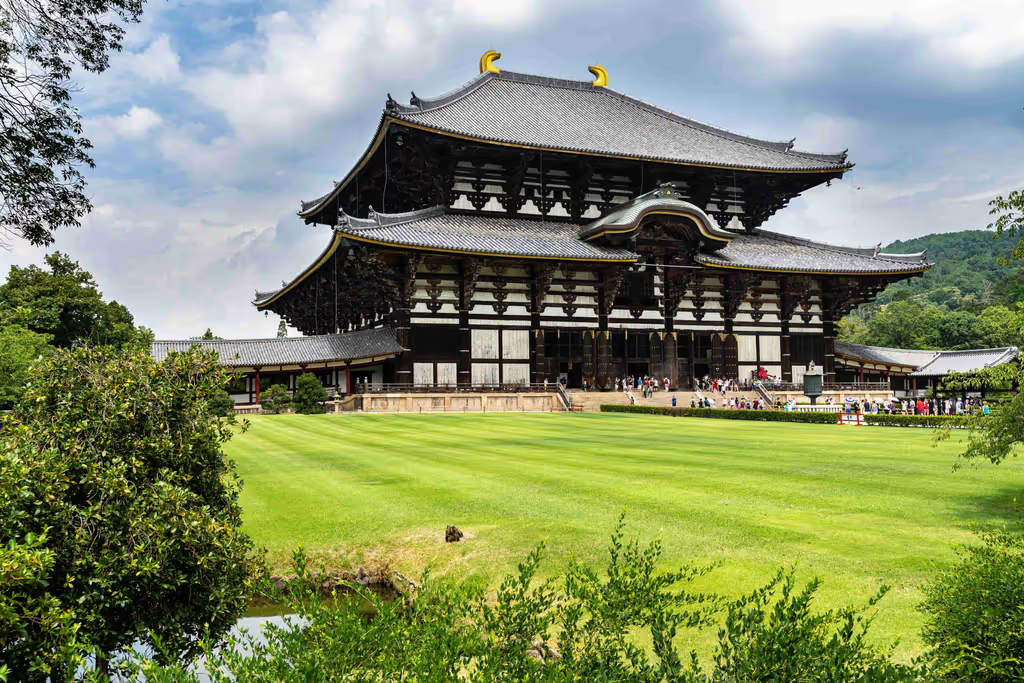
Stepping from the park lawns into the grand temple precincts introduces children to monumental history. Todai-ji’s Great Buddha Hall houses a massive bronze statue that captivates young imaginations. Planning this temple leg requires keeping key operational details in mind:
- Opening hours: The Great Buddha Hall operates from 7:30 to 17:30 between April and October, shifting to 8:00 to 17:00 from November to March. Adjacent Hokke-do Hall runs from 8:30 to 16:00 year-round.
- Admission pricing: Adult entry to the Great Buddha Hall costs ¥800 (roughly $5.30 USD), while child tickets cost ¥400 (roughly $2.70 USD). Combined entry with the Todai-ji Museum costs ¥1,200 for adults and ¥600 for children.
- Cash requirements: Ticket counters at major paid temple zones operate strictly on cash-only policies. Arrive with Japanese yen coins and small notes to avoid purchasing delays.
- Interactive highlights: Children enjoy searching for the hollow pillar hole at the rear of the Great Buddha Hall, sized identically to the statue's nostril.
- Selecting what to skip: Younger families often manage one main temple focus best. Skipping steep uphill climbs to secondary sites like Nigatsu-do saves precious energy.
Structuring these architectural stops around young attention spans prevents sightseeing fatigue. Contact a private tour guide in Nara to design a streamlined walking route and help you secure the entry ticket.
Securing your temple route and entry ticket details naturally gives you the option to plan for a relaxed midday break in the old town.
Naramachi, Lunch and Playful Breaks
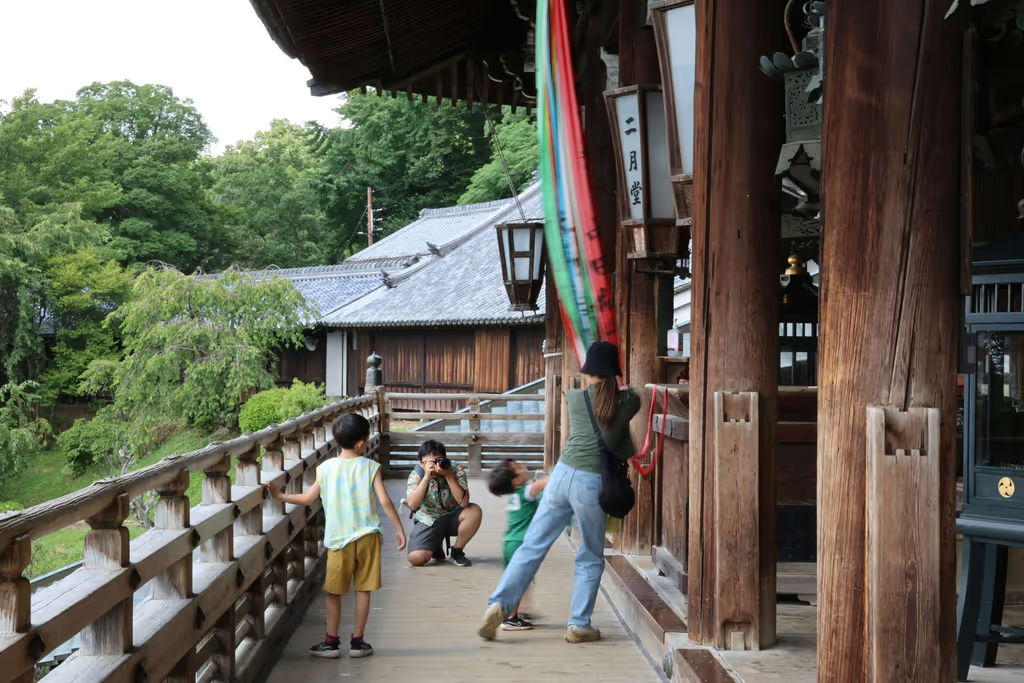
Stepping off the main temple paths into Naramachi offers an ideal reset. This historic merchant neighborhood features low-traffic lanes, restored wooden townhouses, and family-friendly cafes where children can rest and recharge.
Finding a practical lunch spot transforms the afternoon. Look for cafes with high chairs and kids' plates, or confirm vegetarian and halal menus before taking a seat. For toddlers, a quiet cafe chair or shaded bench often provides a needed nap window without disrupting the day.
A noon lunch break divides the physical demands of sightseeing into manageable halves. In summer heat, this pause gives everyone time to cool down and hydrate before heading back out. Joining a local host on a guided Naramachi family walk offers an unhurried, stroller-friendly way to explore these backstreets around your children's natural rhythm.
Exploring the deer park, Great Buddha Hall, and historic Naramachi lanes wraps up the core sightseeing portion of your Nara itinerary. Translating these sights into a seamless family outing depends on your round-trip transit strategy to and from Osaka or Kyoto.
Journey and Timing: Osaka, Kyoto and the Right Station
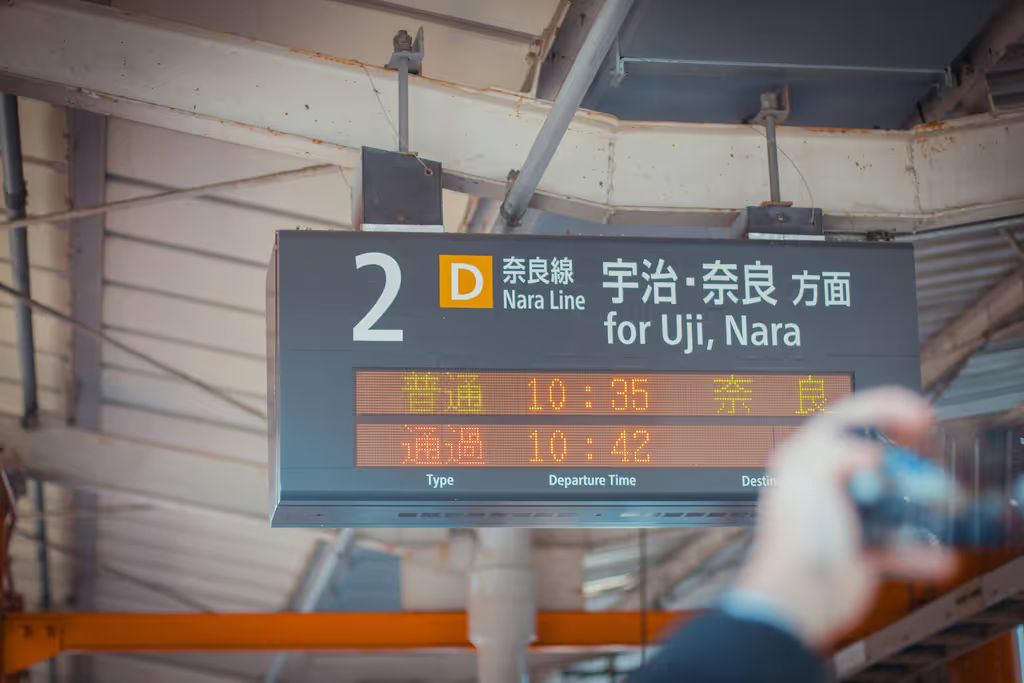
Rail transit from Kansai’s major hubs delivers families to Nara within 35 to 50 minutes, yet station choice directly dictates your walking load. Kintetsu-Nara Station places travelers 250 meters (a 5-minute flat walk) from Nara Park, making it the superior arrival point for stroller users and toddlers. Arriving at JR Nara Station adds 1.1 kilometers (a 15-minute uphill walk or a crowded city bus connection) before reaching the deer grounds.
Comparing these primary transit lines from Osaka and Kyoto highlights key differences in travel times, seat reservations, and station proximity:
- Osaka route options: Direct Kintetsu Rapid Express trains from Osaka-Namba Station reach Kintetsu-Nara in 38 to 40 minutes without transfers. JR Pass holders traveling from Osaka Station take the JR Yamatoji Rapid to JR Nara in 45 minutes, adding a 10-minute local bus ride or extra walk to reach park gates.
- Kyoto route options: The Kintetsu Limited Express links Kyoto Station to Kintetsu-Nara in 35 minutes with reserved seating, making stroller storage and family seating effortless. The standard Kintetsu Express takes 45 minutes, while the JR Nara Line Miyakoji Rapid reaches JR Nara Station in 45 minutes.
- Payment and gate logistics: Prepaid ICOCA, Suica, and Pasmo contactless cards work across both Kintetsu and JR turnstiles, skipping morning ticket queue lines with children.
- Early morning arrival: Reaching the park edge before 9:00 AM secures quiet walking paths, minimal entrance queues at Todai-ji, and energetic deer encounters before midday tourist surges.
Bypassing train station transfers and stroller navigation entirely makes travel days effortless. Booking a private family car tour with direct hotel pick-up delivers door-to-door comfort, taking your family straight from your Osaka or Kyoto lobby to the deer park gates.
Locking in your transit route and arrival strategy forms the backbone of a successful day out. Organising these travel times alongside site visits is best seen through adaptable sample schedules.
A Realistic 1-Day Nara Family Itinerary
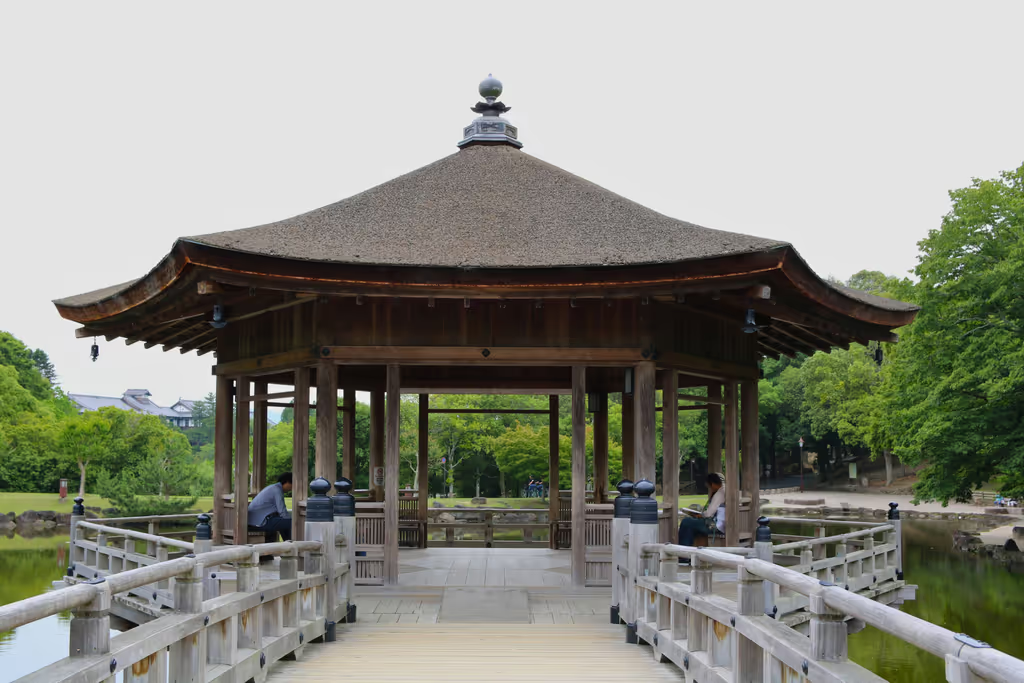
A typical day trip from Osaka or Kyoto balances major historical sites with plenty of open space for children to move around. Reaching Kintetsu-Nara Station by 8:30 AM gives your family a head start on crowds, securing quiet park paths and energetic deer encounters before midday tours arrive.
A practical, well-paced 1-day loop breaks down naturally into distinct morning, midday, and afternoon segments:
- Morning (Deer Park & Todai-ji): Arrive early via the Kintetsu Line and walk five minutes to the park edge. Spend 45 minutes feeding shika senbei to the bowing deer while paths are quiet. Head directly into Todai-ji’s Great Buddha Hall before entry lines peak, letting children discover the giant bronze Buddha and the famous pillar hole.
- Midday (Naramachi Lunch & Rest): Step off the main tourist thoroughfares into historic Naramachi around 11:30 AM. Enjoy a sit-down meal at a family-friendly cafe, giving toddlers a chance to nap or recharge in the shade away from park crowds.
- Afternoon (Lantern Paths & Station Walk): Stroll through the stone lantern-lined forest paths toward Kasuga Taisha. Keep this visit flexible; if children show signs of fatigue, skip steep uphill climbs to secondary shrines and begin a relaxed walk back through Naramachi toward Kintetsu-Nara Station.
Structuring an itinerary around young attention spans takes the pressure off a busy travel day. Collaborating with a local host on a tailored 1-day Nara route gives your family the freedom to adjust walking speeds, skip extra steps, or add impromptu ice cream stops based on your kids' energy levels.
Choosing how tightly to stick to this schedule becomes much simpler once you evaluate the practical friction points of the day, which brings us to the core worries parents face on the ground.
Dominant Worries on the Day: Deer, Cash, Heat and Strollers
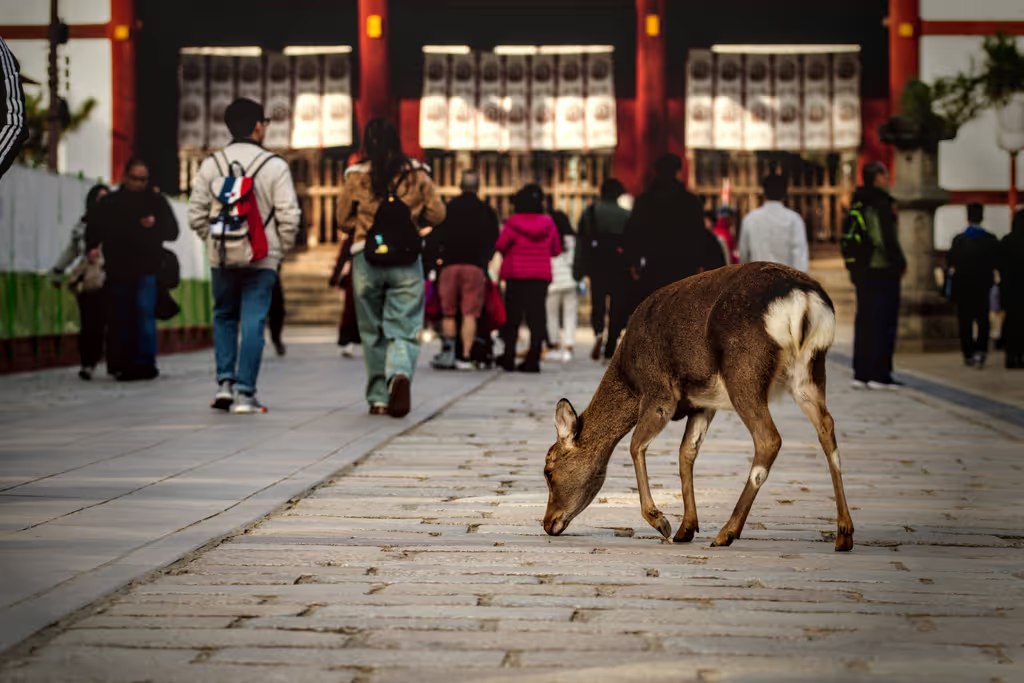
Navigating Nara with children is remarkably straightforward, but four distinct operational hurdles frequently catch parents unprepared. From unannounced cash-only ticketing desks at ancient temple gates to eager wild deer nipping at stroller baskets, these minor logistical friction points can quickly derail an otherwise smooth family outing. Anticipating how terrain, animal behavior, weather, and Japanese payment mechanics intersect allows parents to eliminate stress before stepping off the train:
- Deer behavior: Wild deer actively seek food; keep personal snacks sealed inside zipped backpacks and teach children to drop crackers instantly if crowded.
- Cash policies: Entry gates at major sites like Todai-ji require physical Japanese yen; carry small bills and coins to avoid long ATM searches.
- Heat management: Exposed park lawns trap summer humidity; schedule outdoor walking before midday and break frequently in shaded or air-conditioned spaces.
- Stroller hurdles: Gravel paths, temple staircases, and hungry deer targeting lower storage baskets make a lightweight baby carrier essential for temple interiors.
Addressing these logistical hurdles ahead of time keeps the focus on enjoying the sights together. Connecting with a local host on a customizable family walking tour gives you dedicated, on-the-ground support to navigate ticket queues, steer clear of aggressive deer crowds, and adjust walking routes around your children's pace.
Mastering these daily friction points brings total control to your travel plans, setting your family up to experience Nara with ease and confidence. Navigating these logistics on the ground ultimately comes down to a simple choice: managing the details independently or letting a local expert handle them for you.
Private Guide or Self-Planned: Which Suits Your Day
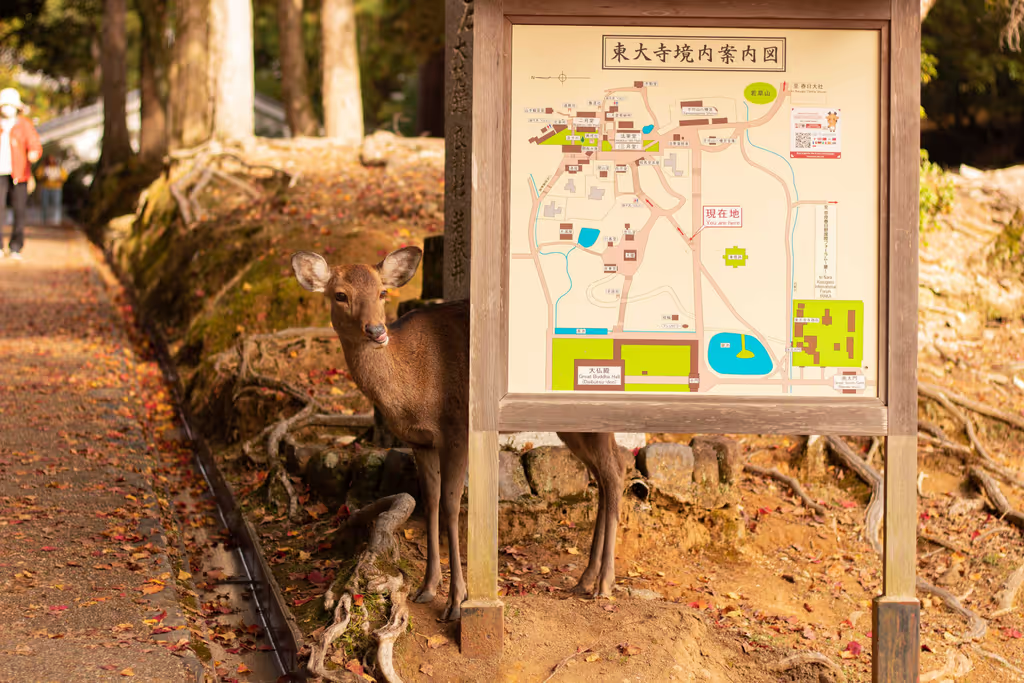
Choosing between exploring Nara independently or hiring a private host depends on your group's ages, dynamic, and comfort with real-time logistics. While Nara Park is compact, balancing train transfers, cash-only entry gates, nap times, and spirited deer requires active management:
- Self-Planned Route: Best for families with older, confident kids comfortable with long walks. Offers complete freedom over schedules and stops, provided you handle transit, cash needs, and deer interactions independently.
- Private Guide Route: Ideal for families traveling with toddlers, seniors, or children hesitant around wildlife. A local host optimizes walking paths, manages tickets, shares engaging stories, and buffers eager deer encounters.
Evaluating potential guides using child-friendly benchmarks ensures a smooth experience:
- Age-Adapted Pacing: The guide adjusts walking speeds, story depth, and wildlife breaks for shorter attention spans.
- Crowd & Deer Strategy: A clear plan exists to comfort children intimidated by energetic deer.
- Route Flexibility: Itineraries can instantly bypass steep climbs or extra stops if energy lags.
- Transit & Privacy: Offers flexible pickups (hotel lobby or Kintetsu-Nara Station) on an exclusively private tour.
- Fair Terms & Credentials: Clear policies cover sudden illnesses alongside verified local licensing and family reviews.
Messaging a host with your travel dates and kids' ages is the fastest way to check fit and request a tailored day plan.
Applying these benchmarks makes choosing the right private tour seamless and stress-free. Browsing verified private family tours in Nara allows you to compare tailored itineraries and connect directly with local hosts to secure a fully personalized experience for your trip.
Below are five top-rated private itineraries arranged in a logical progression, moving from early morning crowd avoidance to immersive art, full-day logistics mastery, and ultimate dual-city exploration.
Early Bird Deer & Historic Nara Tour by Miyu
Guide: Miyu S. (4.97 star rating) | Duration: 5.5 Hours | Price: ~$314 per 2 adults
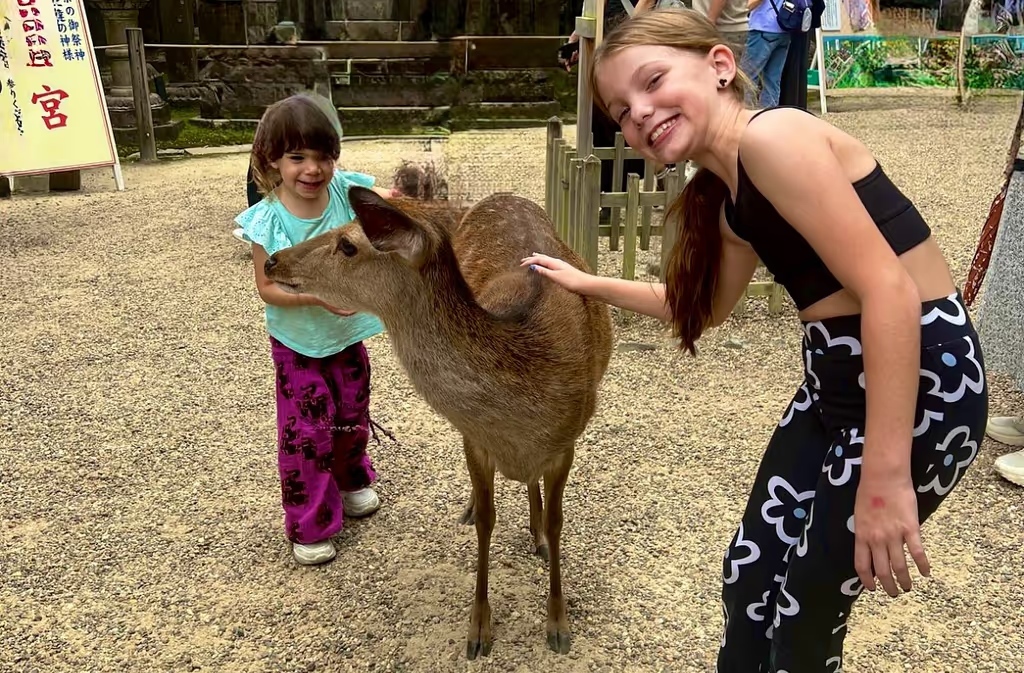
Led by Miyu S., this early-morning excursion avoids peak tourist congestion by starting at 7:30 AM, enabling families to explore tranquil park trails and feed roaming deer prior to afternoon crowds gathering.
- Core Itinerary: Covers Nara Park, Todai-ji, Kasuga Taisha, Kofukuji, plus Naramachi merchant alleys.
- Logistical Perks: Half-day pacing featuring an early 7:30 AM departure alongside flexible meeting points.
- Family Benefit: Dynamic pacing adjusted smoothly, supporting multi-generational groups spanning infants through seniors.
Starting prior to dawn breaks permits families experiencing tranquil deer interactions completely unbothered by congestion.
Check availability and contact Miyu S. regarding the Early Bird Deer & Historic Nara Tour.
Transitioning smoothly from an early morning stroll leads directly into essential classic highlights managed by an energetic local veteran.
Essential Highlights: Nara Beginner’s Tour by Kaori
Guide: Kaori K. (4.97 star rating) | Duration: 6 Hours | Price: ~$266 per 2 adults
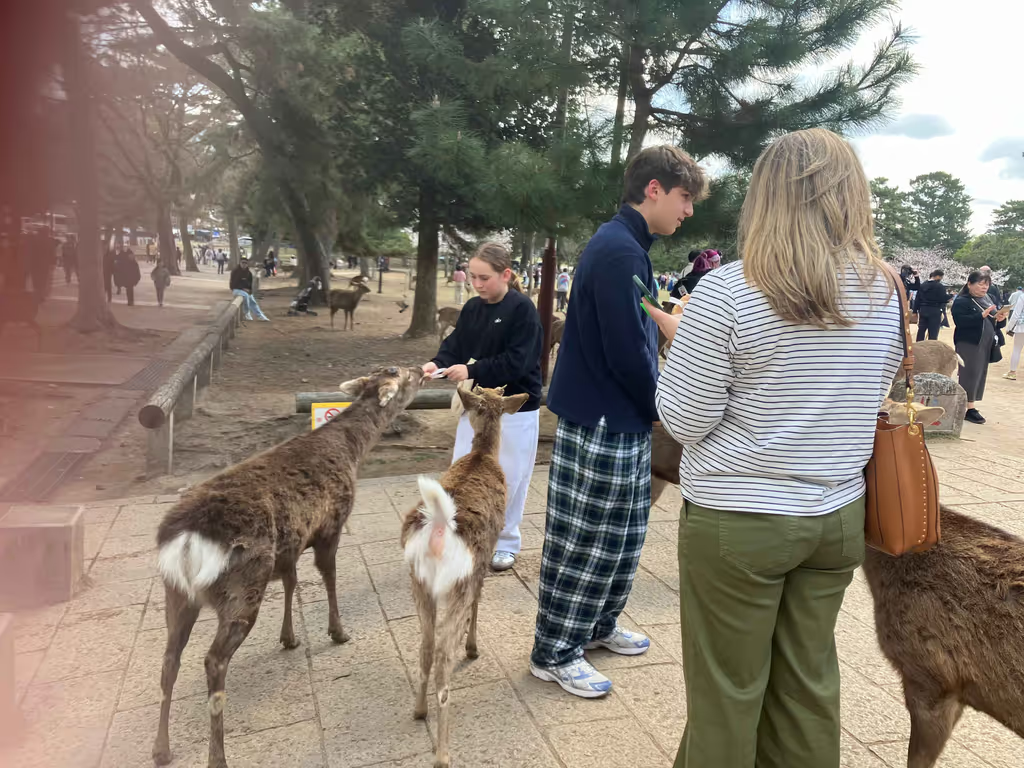
Designed to cover Nara's quintessential landmarks without feeling rushed, this introductory walking loop provides a well-paced journey through major temples and historic streets under expert guidance.
- Core Itinerary: Covers Todai-ji Great Buddha Hall, Kasuga Taisha Shrine, plus Kofukuji Pagoda.
- Logistical Perks: Six-hour duration incorporating flexible hotel pickup options across Osaka, Kyoto, and Nara.
- Family Benefit: Energetic guidance keeping children engaged through playful storytelling and relaxed walking breaks.
Kaori’s intuitive knack for group energy guarantees parents enjoy stress-free lunch stops far away from bustling tourist hubs.
Reserve your spot by messaging Kaori K. about the Essential Highlights: Nara Beginner’s Tour.
Moving beyond essential beginner loops brings travelers into specialized historical narratives centered on ancient Buddhist art and architecture.
Nara Sightseeing & Buddhist Statuary Tour by Yoshihisa
Guide: Yoshihisa T. (4.97 star rating) | Duration: 7 Hours | Price: ~$241 per 2 adults
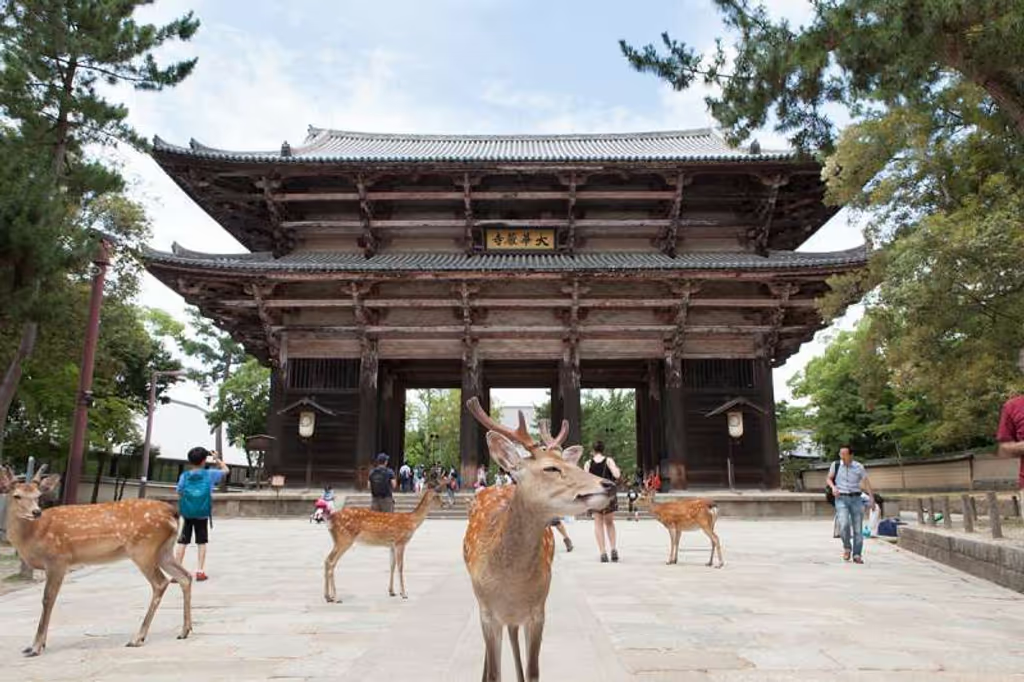
Connecting major heritage sites with rich cultural storytelling, this tour engages older children and teens through fascinating details regarding ancient Buddhist statuary, traditional architecture, and local lore.
- Core Itinerary: Covers the Kōfuku-ji National Treasure Museum, Todai-ji secondary halls, plus Isuien Garden.
- Logistical Perks: Seven-hour duration featuring intimate small group sizing restricted to five guests maximum.
- Family Benefit: Deep cultural storytelling connecting ancient statuary and forest walks engaging older children and teens.
Yoshihisa bridges ancient Japanese history alongside youthful curiosity, transforming temple artifact viewings into captivating historical explorations.
Explore dates and message Yoshihisa T. regarding the Nara Sightseeing & Buddhist Statuary Tour.
Scaling up toward comprehensive all-day coverage brings travelers to veteran-led itineraries featuring direct lobby pickups across major Kansai hubs.
Full Nara Heritage & Deer Park Tour by Masahisa
Guide: Masahisa M. (5.00 star rating) | Duration: 8 Hours | Price: ~$285 per 2 adults
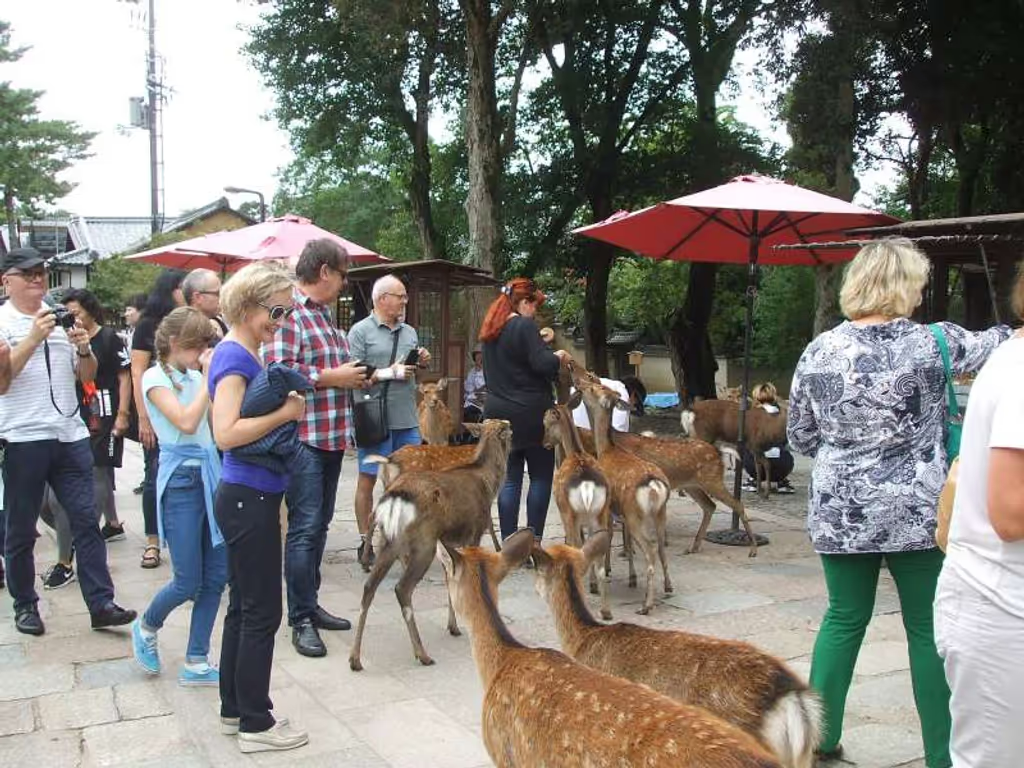
Managing transit logistics right from hotel lobbies in Osaka, Kyoto, or Nara, this comprehensive full-day loop takes care of train turnstiles and temple entrance logistics, ensuring seamless transitions into Nara Park.
- Core Itinerary: Covers four UNESCO heritage landmarks plus Isuien Japanese Garden alongside central Nara Park.
- Logistical Perks: Eight-hour comprehensive loop delivering direct hotel lobby pickup and transit guidance included.
- Family Benefit: Expert logistics management allowing parents exploring ancient temple architecture to be unburdened.
Masahisa handles train turnstiles and ticket windows seamlessly, leaving parents completely unbothered by transit details.
Secure your date and message Masahisa M. about the Full Nara Heritage & Deer Park Tour.
Expanding horizons further toward dual-city adventures allows families to combine iconic Kyoto shrines with Nara parklands in one seamless journey.
Cross-City Combo: Fushimi Inari & Nara UNESCO Highlights by Ana

Guide: Ana I. (5.00 star rating) | Duration: 7.5 Hours | Price: ~$583 per 2 adults
Connecting Kyoto's most iconic shrine with Nara's historic parklands in a single day, this multi-city itinerary features pre-arranged lunch reservations to guarantee seamless dining breaks matching dietary preferences.
- Core Itinerary: Covers Kyoto's Fushimi Inari vermillion gates alongside Nara Park plus Todai-ji.
- Logistical Perks: Seven-and-a-half-hour dual-city itinerary accommodating larger family parties reaching twelve participants.
- Family Benefit: Pre-arranged restaurant bookings along Higashimuki Shopping Street eliminating midday dining guesswork entirely.
Ana manages cross-city train transfers and advanced dining slots expertly, uniting two legendary Japanese destinations without friction.
Connecting with a vetted local host transforms standard sightseeing into an effortless, highly engaging journey tailored to your family. Whether opting for an early morning start amid quiet deer trails or a seamless dual-city excursion, a local tour guide removes guesswork and ensures complete peace of mind. Reviewing the practical takeaways below helps finalize your family day plan ahead of departure.
Wrapping Up Your Family Trip to Nara
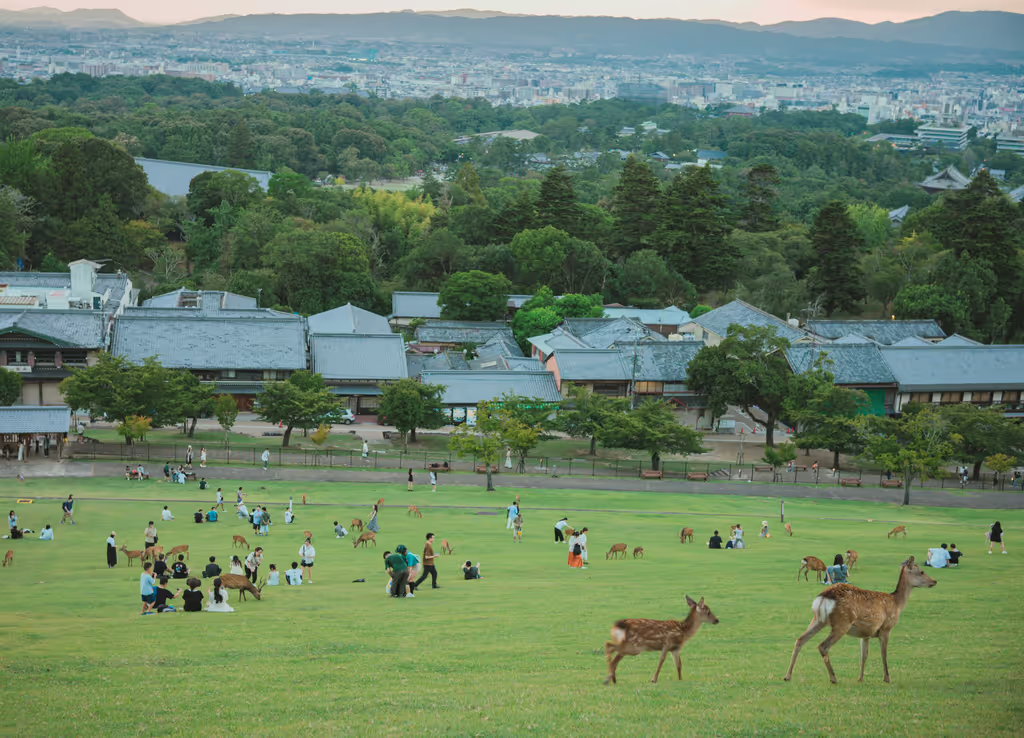
Nara rewards families who arrive with a plan and leave room for surprises. Each part of the day has its own character, and the best outings let each one shine rather than compete for attention. Nara naturally divides into two distinct halves: playful deer roaming the park grounds, and monumental temples resting beyond them. Younger children gravitate toward the deer, while older children respond to the scale and history of the ancient halls. Mastering the day comes down to balancing these experiences, and four habits make that balance easier to hold.
Those habits are simple, and each one addresses a moment that families most often find difficult.
- Start early with wildlife: Begin among the deer while energy levels are high and the paths are quiet.
- Prioritize one key sight: Choose a single temple focus rather than rushing through every structure.
- Manage cash and transit: Arrive at Kintetsu Nara Station to shorten the walk, and carry physical yen for admission gates.
- Protect personal items: Feed the deer only approved crackers, and keep your own snacks completely out of sight.
Approach the journey with a thoughtful plan. Children rarely remember the itinerary in detail; they remember the bowing deer, the shared laughter over a cracker, and the awe of standing inside a grand wooden hall together.
While independent exploration suits some travelers, families journeying alongside toddlers, hesitant children, or teenagers seeking deeper engagement often discover that expert local support makes the day significantly calmer and more rewarding. Connect with a private guide in Nara and message them with your travel details, children's ages, and priority sights to let them shape an itinerary tailored for your family.
Once the last cracker has been shared and the bell at Todai-ji fades behind you, the walk back toward Kintetsu-Nara Station naturally slows down. Tired children quiet down as afternoon light slants across the lanes. Somewhere along that final stretch, the conversation turns toward coming back, and the rest of the family is already agreeing.
Frequently Asked Questions About Visiting Nara with Kids
Is Nara worth visiting with children?
Yes, for most families. The deer park suits all ages, and the temples give older children something impressive to see. Younger children do best with a shorter, well-paced day.
Can children feed the deer in Nara?
Yes, with official deer crackers only. Give one cracker at a time, let the deer take it promptly, and keep your own food and maps out of sight. Avoid chasing or cornering the deer.
How much does Todai-ji cost for children?
Reports put the child rate at ¥400 for the Great Buddha Hall. Confirm the current price and age band on the official Todai-ji page, and bring cash, since the main paid areas are reported as cash-only.
Is a private guide worth it in Nara?
A guide helps most with mixed ages, nervous children, or a wish to keep the walking to a minimum. Confident families with older children often manage well alone. Message a guide with your children’s ages and dates to see whether the support fits your group.
Which station should you use for Nara Park?
Kintetsu Nara Station is reported as the closer option, roughly five minutes on foot from the park, compared with around fifteen minutes from JR Nara Station. Check the walk on a map before you travel.
How long do you need in Nara with children?
A full day suits older children and families who want a full itinerary. A calmer day, or an overnight stay, suits toddlers and families who prefer a slower pace. Choose the plan that matches your children’s energy rather than the longest list, and message a guide with your dates if you want help choosing.


