


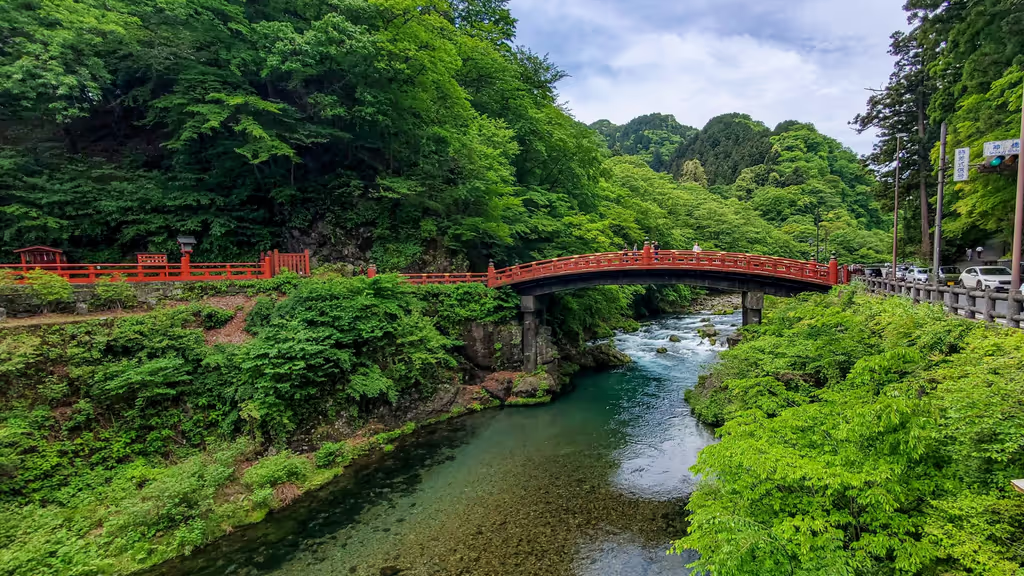
Nikko is a shrine town with a mountain lake an hour’s climb above it, and the two places are easy to love but harder to combine in a single day than the maps suggest. Before you commit, you may be asking whether the train still saves time once you add the local bus, whether a driver can handle the mountain road in winter, and whether the day will feel rushed or spent waiting at bus stops. You may also wonder if a private day is worth the price, or whether it is simply a convenience you can skip. Those are fair doubts.
This guide takes them in order, so you can decide with clear facts before you choose to hire a private driver in Nikko. We start with the journey, then look at what a private driver includes, the worries that come up most often, what a realistic day looks like, and how to choose among the three tours we recommend.
How to Get to Nikko From Tokyo: Train, Bus, or Driver
Most visitors reach Nikko by train, and for many travelers that is still the right default. Trains from central Tokyo take roughly 1 hour 40 minutes to 2 hours, depending on the route and connections. At the time of writing this, sources quoted fares of roughly ¥2,900 to ¥3,500 (about $19 to $23 USD) one way for the faster limited express, but the figures differ between sites, so confirm the current fare before you travel.
The real question is not whether the train reaches Nikko. It is whether the train plus local transport gets you where you want to go within the time you have. A train-only trip to the shrine town is simple. A trip that includes the lake, the mountain road, and the falls involves more connections, and that is where a private driver begins to earn its cost.
Explore private car tour options to combine Nikko’s shrines and the mountain lake in one day without juggling bus timetables, reducing transport guesswork and helping keep your schedule on track. Once you know which route suits your day, the next question is what a private driver actually includes.
JR, Tobu, and the pass question
Two separate railways serve Nikko from Tokyo, and they depart from different neighborhoods, require different transfers, and arrive at separate stations in town. Understanding how these two networks differ matters before you book, because your choice determines whether you can use an existing rail pass, how easily you can connect to local buses once you arrive, and how much you will spend getting around.
Here is how the main rail routes and pass options break down:
- Tobu Railway runs directly from Asakusa in Tokyo to Tobu-Nikko Station. It is the fastest direct option, using a limited express service, and it is not covered by the Japan Rail Pass.
- JR routes run via the Tohoku Shinkansen to Utsunomiya and then transfer to the JR Nikko Line to JR Nikko Station. A Japan Rail Pass covers this route, so it is usually the better choice for pass holders.
- Tobu regional passes bundle round-trip train tickets from Asakusa with local bus travel in the Nikko area. Names, prices, and validity periods vary between sources, so check what each pass covers at a Tobu Asakusa ticket counter or on the Tobu website before buying.
Passes matter because local buses add up. Without a pass, a single ride on the bus that serves the shrine district costs a few hundred yen, and a day that includes the lake bus costs considerably more. Run the numbers for your own plan rather than assuming one option is always cheaper.
Driving into Nikko is also possible, and a private driver from Tokyo takes about two hours door to door. That makes the car efficient for a group that wants to arrive at a set time and leave without queuing for tickets.
Message a verified local guide with your travel date, group size, and whether you plan to reach the lake to confirm which route and transport option fits your timing before you commit.
Whether you reach out for a route check or decide right away that a private car makes sense for your group, knowing how Nikko driver services are structured will help you avoid surprises on the day.
Hire a Private Driver in Nikko: What Is Included and What Is Not
The phrase “private driver” covers more than one kind of service. Some offerings are transport only, some pair a driver with a local guide, and some are sightseeing tours that happen to use a car. The difference determines what you actually receive on the day, and it is the most common source of disappointment in this category.
Driver-only versus guided tours in Nikko
A driver-only service takes you from door to door and follows the stops you choose. The driver is there to drive, not to explain. In the listings we reviewed, the driver-only options specify that the driver speaks simple English and is not a professional tour guide. That is not a flaw, but it shapes the day. If you want stories about Toshogu’s carvings or the history of the mountain road, a driver-only service leaves that work to you.
A guided private car adds an English-speaking local guide who also drives. The day becomes a narrated experience rather than transport alone. That suits couples and families who want context, but it usually comes with a smaller party size, because one guide-driver can carry only a few passengers comfortably.
- Driver-only services generally include pickup, drop-off, fuel, highway fees, tolls, and insurance.
- Entrance fees, meals, and parking are often excluded, so budget for them separately.
- Guided private cars add commentary and sequencing, but confirm whether the guide’s fee and the entrance fees are included in the price you see.
- Ask in writing whether the person driving you is also the person explaining the sights.
If you are unsure which category you need, decide what you want from the day. If the goal is to see the places at your own pace with no transport worries, a driver-only option may be enough. If you want to understand the places as you go, choose a guided option from the start.
Knowing whether you need a driver or a guide narrows down your options, and understanding how listings structure their fees keeps your budget clear.
Price units and late fees
Prices across Nikko listings use different units, which makes comparison harder than it should be. Some are quoted per group, some per person, and some per traveler with discounts for larger parties. A per-person price can look lower than a per-group price while costing more for a group of four, so the only fair comparison is the total for your group size.
Once you have that total, check what sits outside it. The list usually includes entrance fees, lunch, parking, and highway charges. Some drivers also charge an accommodation fee if the day runs late. One listing we reviewed quotes around ¥10,000 (roughly $65 USD) for this, so confirm the exact figure and when it applies.
- Compare totals for your actual group size, not the headline price.
- Ask whether the quoted price is per group, per person, or per traveler.
- Confirm the late-return fee and the exact time after which it applies.
- Ask which entrance fees you will pay on the day and roughly what they come to.
Current prices change by date and party size, so check the figure on each tour page before you book. Treat any number in this article as a starting point rather than a promise.
Check available private car tours in Nikko to review exact inclusions, group pricing units, and guide options before you book. Knowing what a private driver includes is only half the decision, and the other half is understanding the concerns that make people hesitate.
Dominant Worries When Hiring a Driver in Nikko
Most questions people bring to a Nikko driver cluster around three concerns: the winter road, the language barrier, and the cost of things that look included but are not. Each one is manageable if you know what to ask before you book. None of them is a reason to avoid a driver, but each one is a reason to be specific about your expectations.
Winter Irohazaka and driver experience
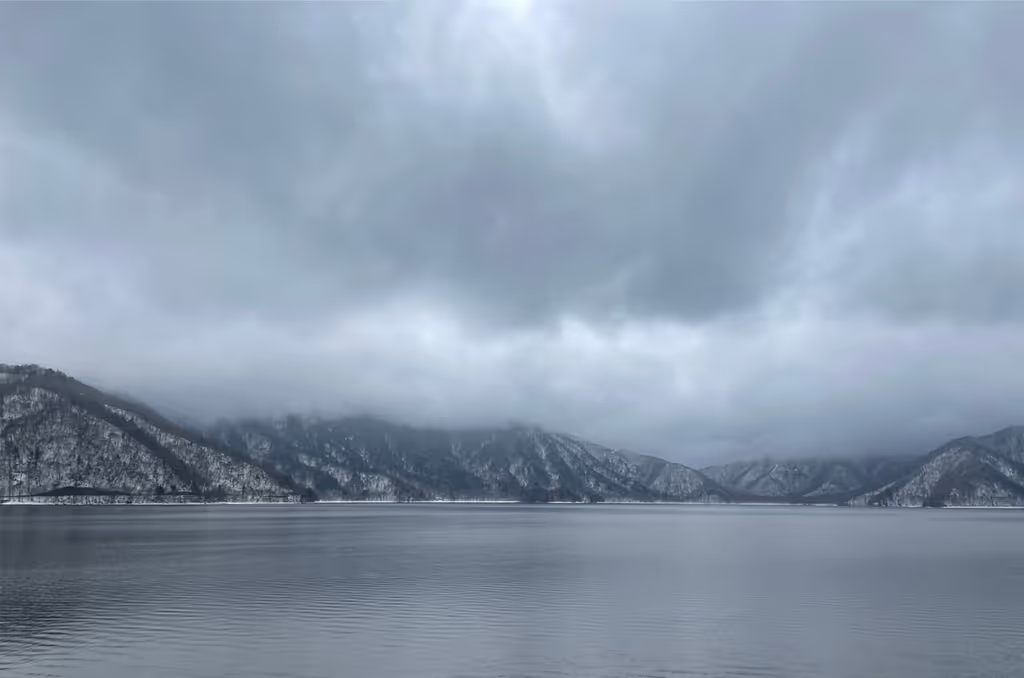
The Irohazaka is the winding mountain road that connects central Nikko with Lake Chuzenji. It has 48 curves, and in winter, roughly December through March, it can be icy, especially on shaded corners that stay frozen into the afternoon even on sunny days.
- What’s true: Winter tires or chains are required for the mountain road in cold weather, and the road can be closed or restricted depending on conditions. The lake sits at high elevation, so snow and ice are normal in the coldest months.
- What can go wrong: A driver without winter experience may be unprepared for compacted snow, and an unprepared day can end early or with a long detour. Conditions can also change between the time you book and the day you travel.
- How to plan: Check the road status for your date, and ask the driver whether they have winter driving experience and suitable equipment. Build a flexible timeline so that a closed or slow road does not wreck the day.
- What a driver improves: An experienced local driver knows which corners need care, when traffic tends to build, and when to change the route. That judgment is the main reason the mountain leg is worth handing to someone else.
Driving to Okunikko in winter is not recommended for visitors without mountain winter experience, so the choice of driver matters more in this season than at any other time of year.
Special notes to consider:
- Confirm whether the Akechidaira Ropeway is operating on your travel date, as seasonal maintenance or weather closures can periodically affect access on the uphill Irohazaka route.
- Expect shaded corners on the Irohazaka to stay icy later in the day, even when the road looks dry.
- Ask the supplier what they will do if the lake road is restricted on the morning of your trip.
Once you are confident your driver can handle the mountain road safely, the next question is how smoothly you will be able to communicate once you are in the car.
English level and what to ask before booking
Language is the second great worry, and many readers underestimate it. Some listings describe the driver as speaking simple English only, which is enough to confirm pickup and drop-off but not enough for detailed explanations of the shrines or the lake. Other listings pair the driver with a guide who speaks English fluently, which changes the day completely.
- What’s true: English level varies widely between suppliers, and a listing’s language information does not always match what the driver can do on the day.
- What can go wrong: You may expect a conversation about Toshogu’s history and find a driver who can manage only the route. Misunderstandings about the itinerary are common when neither side has written the plan down.
- How to plan: Send your questions in writing before you book, and ask the supplier to confirm the itinerary and language arrangements by message. A translation app helps with simple exchanges, but it does not replace a clear plan.
- What a guide improves: A guided option gives you someone who can explain why a shrine matters and point out details you would otherwise walk past. For many couples and families, that explanation turns sightseeing into understanding.
Ask the supplier:
- Can you explain the sights in English, or only drive and answer simple questions?
- Will the person driving me also be the person explaining the sights?
- Can you confirm the stops and timing in writing before the day?
Message a verified local guide before booking to confirm winter road readiness, English support, and a written itinerary so there are no surprises on the day. Having those expectations settled in advance makes it much easier to map out a realistic schedule, starting with how a full day between the shrines and the mountain lake actually unfolds.
One Day in Nikko With a Driver: A Realistic Timeline
Nikko’s shrines and the lake sit in two different zones, and the most useful thing a driver does is connect them into one sensible day. The timeline below is one likely way that day can unfold. It is not a guarantee, because crowds, weather, road conditions, and opening hours all shift.
A realistic sequence for a day that starts in town often looks like this:
- Around 8:00 AM, pickup from your hotel or the station, in time to get ahead of the midday crowds at the shrines.
- Around 8:20 AM, a short photo stop at Shinkyo Bridge, which is usually quieter early in the morning.
- Roughly 8:45 to 11:30 AM, Toshogu Shrine and nearby Rinnoji or Futarasan, with the flat approaches walked and the uphill sections covered by car where the route allows.
- Around noon, a yuba lunch near the shrine district, a regional specialty worth planning for.
- Early afternoon, the drive up Irohazaka to the lake, if the road is open and the day has room for it.
- Late afternoon, Kegon Falls and a short walk along the lake shore, then the return to town.
Times are indicative, and the sequence can change with traffic, weather, and the choices you make on the day.
The shrine walk versus the drive
The walk from the station to Toshogu is around 30 to 40 minutes uphill on the main road. It is scenic, but tiring in summer heat and difficult for older guests or anyone with knee problems. Many visitors walk one direction and take a bus or car the other.
A driver lets you skip the uphill walk entirely and arrive at the shrine area with energy for the stone steps and the carvings. The flat approaches between the gates are still walkable, and that is where most of your time at the shrines will be spent.
Shrine conditions to confirm before your visit:
- Whether the car can reach a drop-off point close to the entrance on your day.
- The stone steps and walking distances at Toshogu, Rinnoji, and Futarasan, which need verification before you assume they suit your group.
- Photo rules, footwear rules, and shrine conduct, which should be checked against official sources.
Once you have paced your morning around the shrine district without wearing out your group, the next decision is whether your timeline can comfortably fit the drive up to the lake.
Lake Chuzenji and Kegon Falls, if you have the time
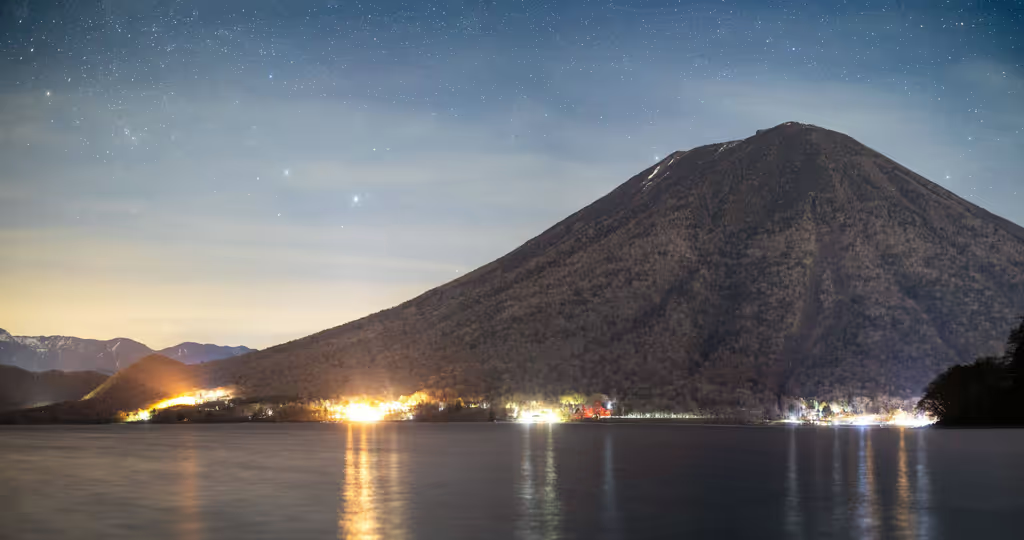
The lake is the part of the day that most often pushes a plan past its limit. The public bus from central Nikko to Lake Chuzenji takes roughly 40 to 50 minutes under normal conditions, and it can be slower in autumn. A car on Irohazaka is quicker, often around 20 minutes without traffic, but traffic builds quickly in busy seasons.
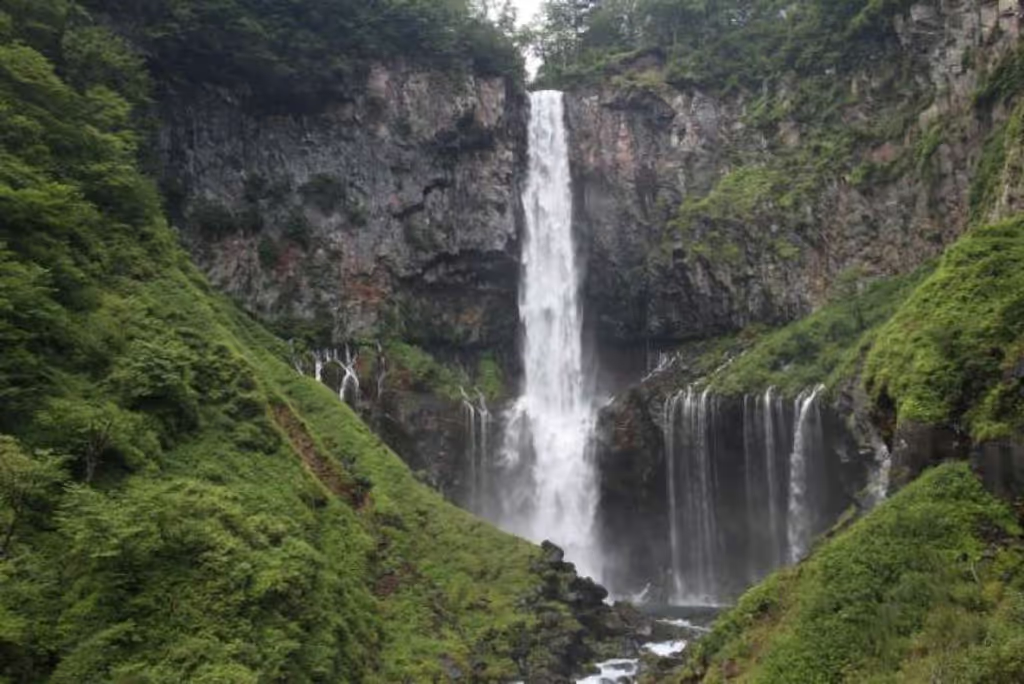
Kegon Falls drops about 97 meters at the outlet of Lake Chuzenji, and its platform is one of the best views in the area. In the coldest months, parts of the falls freeze into blue-white ice, which draws photographers. Viewing platform fees and any winter illumination dates should be checked before you go.
A realistic lake leg needs an early start. Try to fit the shrines, the lake, the falls, and a long lunch into one day without planning, and you will spend more time in the car than you intended and less time at the places themselves.
Failure case to avoid: adding Kinugawa or Yumoto Onsen to the same day as the shrines and the lake. Those places work better as separate outings or as an overnight stay, because the distances and mountain roads turn a long day into an exhausting one.
Choose a private car tour that can adjust the route around your group’s walking comfort, preferred pace, and how much time you want at the shrines versus the mountain lake. With a realistic schedule in mind, you are ready to narrow down your options, starting with a quick checklist of what to verify before comparing specific tours.
Tour Selection Checklist
Nikko driver listings can look similar on the surface while offering very different levels of guiding, vehicle space, and pricing transparency. Before you reach out to a provider or lock in a booking, run through the seven checks below to clarify what your group actually needs. Taking a few minutes to verify these details helps you filter out poor fits early and prevent misunderstandings on the day of your trip.
- Confirm whether the service is driver-only or guided, and get the answer in writing.
- Ask about English level, and whether the driver will explain the sights or only drive.
- Check which stops are included and which costs sit outside the price, including entrance fees, meals, and parking.
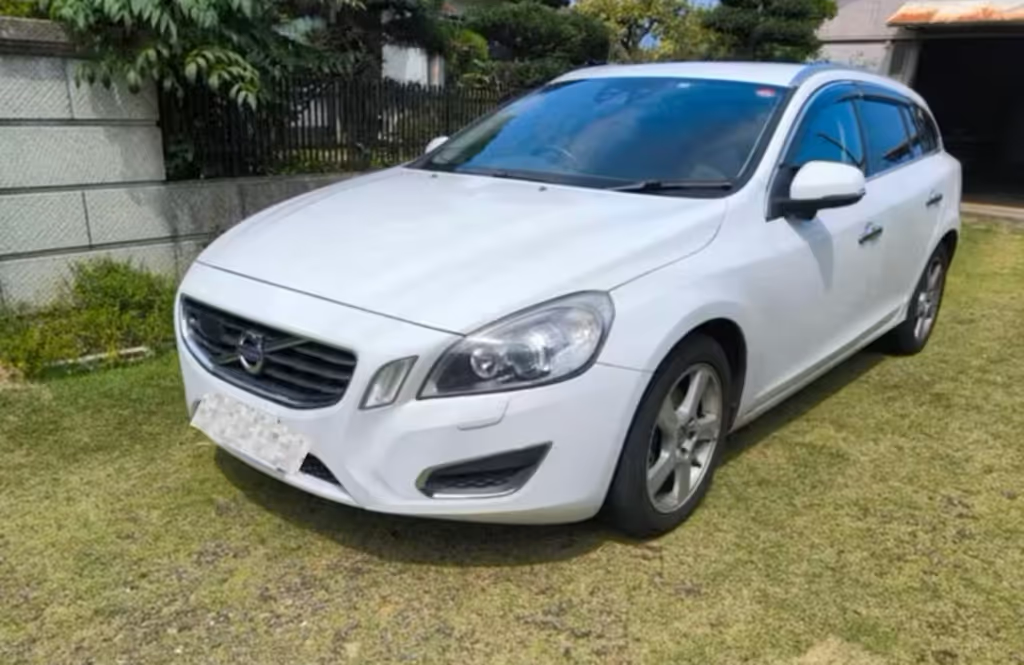
- Match the vehicle to your party: a compact car for up to three, a standard sedan for up to four, or a van for up to twelve.
- If you travel between December and March, ask about winter experience and the equipment the vehicle carries.
- Confirm the pickup point, the return time, and any late-return fee.
- Ask what the provider will do if a stop, such as the Akechidaira Ropeway or the lake road, is closed on your day.
Quick takeaway: A private driver is worth it when the day includes the mountain, when the group needs flexibility, or when luggage and timing make public transport tiring. Choose the format that matches the day you want, then confirm the details before you pay.
Compare private car tour options against these seven checks to find a vehicle size, route plan, and level of local support that match your group’s needs. Once you know which criteria matter most for your trip, look at how the three recommended tours below put those differences into practice.
Recommended Tours in Nikko
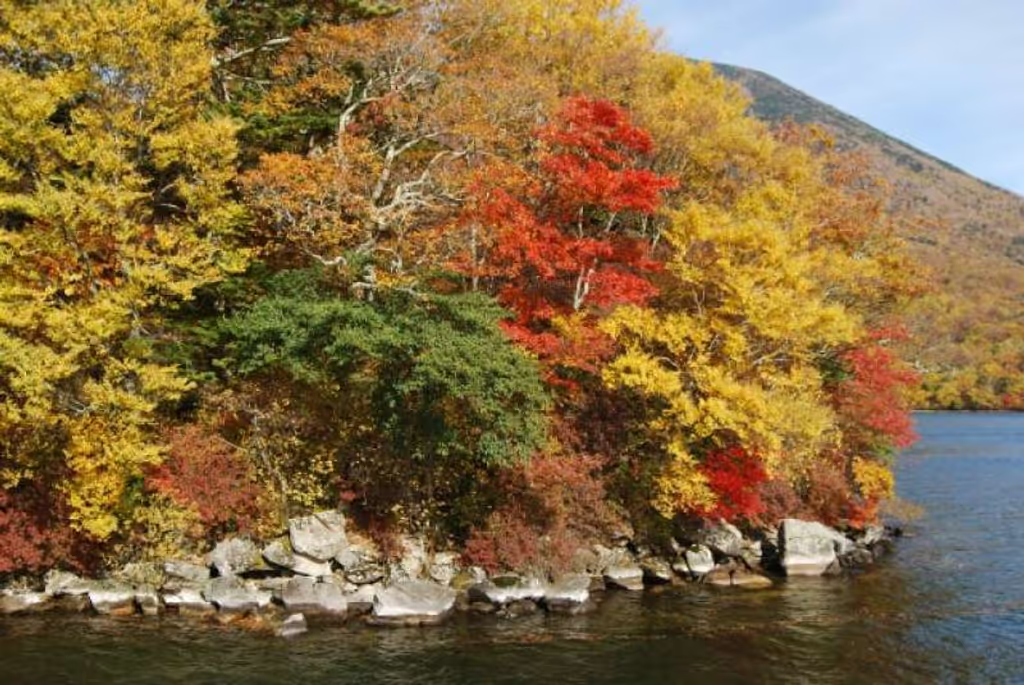
Choosing the right private car service in Nikko comes down to three practical factors: how many people are in your group, whether you want local commentary along the way, and where your day begins. Because each listing below structures those elements differently, matching the service format to your party first makes comparing the details much easier. Here is how three distinct options stack up across group size, guiding support, and route flexibility:
Nikko Sightseeing with a Private Chartered Van (1–12 Pax) by VAN Transportation
Best for: Large families and multigenerational groups, or parties of up to twelve who want to travel together in one vehicle.
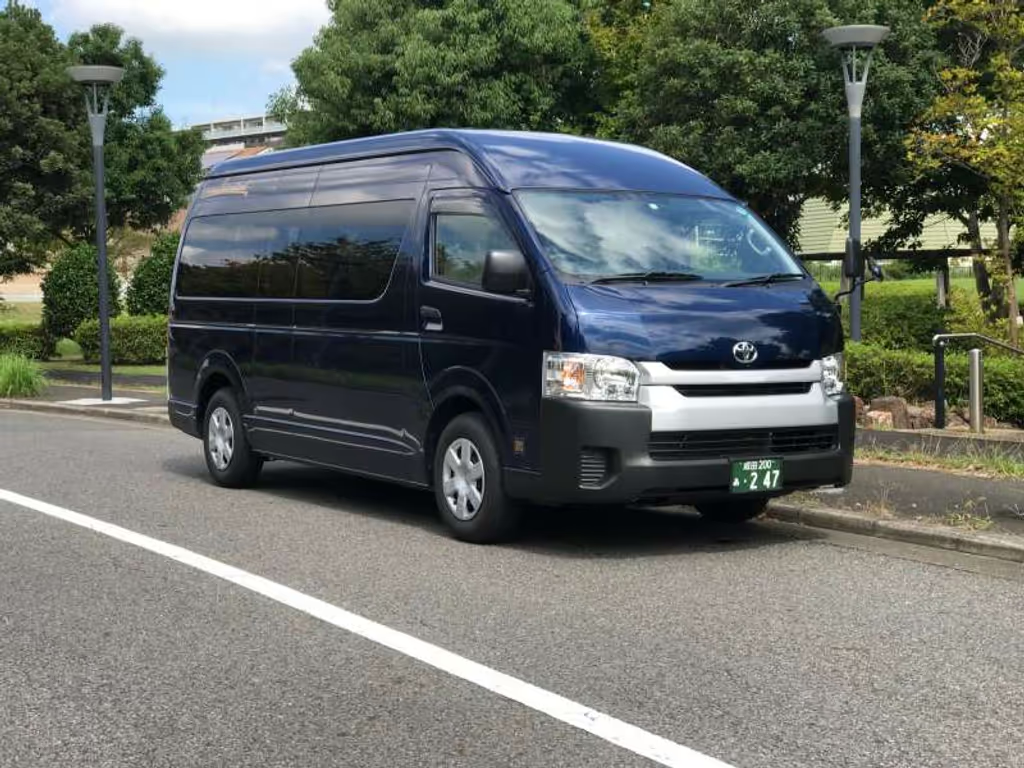
This 10-hour private van service starts with a scheduled 7:00 AM pickup from hotels in Tokyo’s 23 wards or in Nikko. The Toyota Hiace Commuter keeps everyone together, which simplifies the day when children, older relatives, and several adults travel as one group. The itinerary is flexible, so you choose the attractions that fit your interests and the time you have.
Fuel, highway fees, tolls, and insurance are included, but the driver speaks only simple English and is not a professional tour guide, so plan your explanations ahead of time. Entrance fees, meals, and parking are excluded, and extra charges may apply depending on the route.
While a large chartered van solves the logistics of keeping a big group together from Tokyo or Nikko, smaller parties often prefer a more intimate pace with local storytelling built into the drive. If you are traveling with up to three people and want historical context alongside your transport, the next option pairs driving with personal guiding.
Nikko One Day Tour by Private Car by Keiichiro I.

Best for: Couples, small families, and travelers who want history explained as they go, with a limit of three passengers.
This seven-hour private tour starts at 9:00 AM and collects you from Tobu-Nikko Station, JR Nikko Station, or a hotel in or around Nikko. Potential stops include Toshogu, Rinnoji, Futarasan, Kanmangafuchi, the Irohazaka road, Akechidaira, Kegon Falls, Lake Chuzenji, and Senjogahara, allowing you and Keiichiro to customize a realistic sequence that fits your seven-hour window and season. Keiichiro speaks English and Japanese and combines driving with local guiding, so you hear about Nikko’s heritage and landscape rather than just receiving transport.
The plan includes a stop for yuba, the local specialty, but meals are not included in the price. The itinerary involves walking at Kanmangafuchi and a short trekking option at Senjogahara, so consider the stamina of children and older travelers before you book.
For a narrated day with a small group, message Keiichiro I. to ask how the route can be adjusted around your group’s walking comfort and interests, and check which stops fit your timing.
If you like the idea of a smaller vehicle for up to four travelers but prefer to set your own flexible route rather than follow a narrated itinerary, a local chartered taxi offers a simpler, transport-focused alternative.
Nikko Day Tour with a Private Car by Sedan (4 Pax) by TR Taxi
Best for: Couples and small families of up to four who want flexible stops and hotel pickup without managing trains or transfers.
This six-hour sedan service starts at 9:00 AM, with pickup and drop-off at your Nikko hotel. Instead of a fixed route, you request the places you want to see, which suits families who would rather not pack the day. The drivers are experienced local taxi drivers who can point out well-known sights, quieter spots, and local food, though English is not spoken on the drive. Send your preferred stops in writing before the day and use a translation app on the spot for smooth communication.
Fuel and hotel transfers are included, while entrance fees, meals, parking, and highway fees are not. The supplier asks you to contact them before booking and to reserve at least seven days in advance.
If a small, flexible car fits your plans, message TR Taxi at least seven days ahead, and list your preferred stops in writing so the day runs smoothly despite the language barrier.
With the three options in view, the choice comes down to your party and the kind of day you want. The conclusion brings those pieces together.
Conclusion: Is a Private Driver Worth It in Nikko?
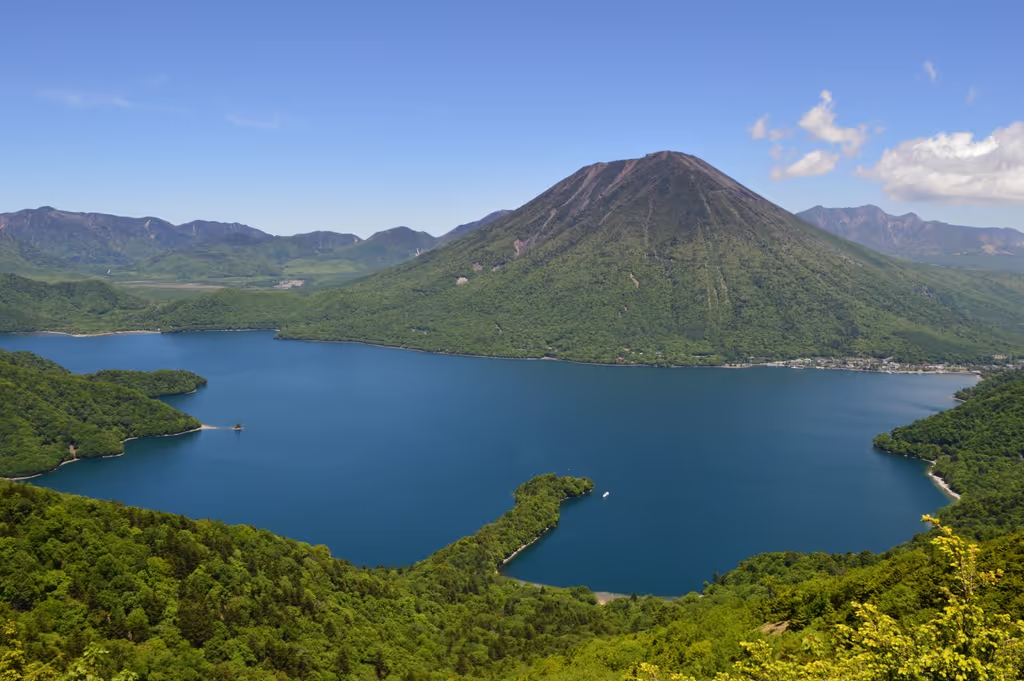
As we noted at the start, combining Nikko’s shrine town and its mountain lake in a single day is harder than the map makes it look. While the two areas appear close together, Lake Chuzenji sits at an elevation of 1,269 meters, separated from the lower shrine precinct by the 48 hairpin curves of the Irohazaka mountain road, a steep climb that significantly changes travel times and weather conditions.
Because every group handles that climb and schedule differently, deciding whether a private driver is worth the cost comes down to matching the transport format to your trip:
- Stick with the train and local bus if you are focusing only on the shrine district in good weather and want a sensible, low-cost day.
- Choose a private van if you are traveling as a large family or multigenerational group that needs to stay together in one vehicle.
- Book a guided private car if you want a smaller, narrated experience where local history and route sequencing are handled for you.
- Opt for a private sedan if you have a small party and want flexible hotel pickup without managing transfers or a packed schedule.
When your plan includes the mountain road, winter conditions, or mixed-age travelers, handing the logistics to a driver removes the risk of a long day stalling at a bus stop.
A short conversation before you book turns guesswork into a clear, realistic itinerary so you can enjoy Nikko at your own pace.
FAQ
Can you do a private driver tour in Nikko without a guide?
Yes, technically. A driver-only service gets you to the shrines and the lake and back without a guide. It is commonly inconvenient, however, because you then plan the explanations, the order of stops, and the timing yourself. A good guided option adds local context and a sequence that works on the ground.
How long does the train take from Tokyo to Nikko?
Trains from central Tokyo usually take about 1 hour 40 minutes to 2 hours, depending on the route. Tobu’s direct limited express from Asakusa is typically the quickest, while the JR route via Utsunomiya takes a little longer with a transfer. Confirm the timetable on the day, because schedules and connections change.
Is the Japan Rail Pass valid for the Tobu train to Nikko?
No. The Japan Rail Pass does not cover Tobu Railway trains. It does cover the JR route via the Tohoku Shinkansen to Utsunomiya and the JR Nikko Line, which is usually the better choice for pass holders.
Is Irohazaka safe in winter with a driver?
The road can be icy, especially on shaded corners, and winter tires or chains are required in the cold months. A driver with winter experience and proper equipment is an important part of managing that risk. Check the road status for your date, and ask the driver directly about their winter experience before you book.
Can a private driver take me to Lake Chuzenji in one day?
Yes, many visitors do this, but it works best with an early start and a shrines-focused plan with few extra stops. Adding Kinugawa or Yumoto Onsen makes the day considerably longer. Ask the provider to lay out the timing before you commit.
Do Nikko private drivers speak English?
It varies by supplier. Some drivers speak only simple English, and others pair the driver with a guide who speaks English fluently. Confirm the language arrangements in writing before you book, so you know exactly how much English support to expect on the day.
How many hours should I plan for Nikko with a driver?
A shrines-only day usually works well in six to eight hours. Adding Lake Chuzenji and Kegon Falls makes the day longer, often closer to ten hours including travel. Build in time for lunch and for slower traffic on the return.
Is Nikko accessible for older travelers who want to use a car?
A car can reduce the uphill walking at Toshogu, which is a major advantage for older guests. The stone steps and flat approaches still need walking, so check the route and the distances before assuming the day suits your needs. Ask the supplier whether they can drop you close to the entrance.
Are entrance fees included in a private driver tour?
Usually not. Entrance fees, meals, and parking are commonly excluded from the quoted price, though some guided options include certain costs. Read the inclusions carefully, and ask the supplier to list what you will pay on the day.
What happens if the Akechidaira Ropeway or the lake road is closed on my day?
Ask the supplier before booking what alternative stops they would add. A good provider will have a plan for closures, such as a different viewpoint or a shorter route, and will explain how that changes the price or timing. If a closure affects the main purpose of your trip, consider a different date.


