It is the morning of your Hiroshima day, and you are standing at the edge of the Peace Memorial Park with a five-year-old holding one hand and a ten-year-old asking whether the museum is “the sad one.” Ahead of you, the Atomic Bomb Dome sits quietly across the river. Behind you, the trams are already filling. You have a few hours before lunch, and a decision to make before you reach the museum doors: go in, go in with conditions, or stay outside and give the day to something lighter.
Hiroshima asks a question most family destinations never do. The real challenge is not whether your children will enjoy the city, but how much of its history they are ready to carry. The park is open, calm, and free. The museum is the heaviest stop on most itineraries. Many parents arrive wondering whether they have chosen the right Hiroshima day trip for their children, and whether the heaviness will overshadow everything else.
Before mapping out your daily route, it helps to clear up a common point of confusion: travelers frequently blur Hiroshima's key landmarks into a single, nebulous "memorial stop." In reality, the city features entirely distinct zones that serve completely different purposes for families:
- The Peace Memorial Park is a sprawling, open-air public green space dedicated to reflection.
- The Peace Memorial Museum is the enclosed, emotionally heavy indoor exhibition hall.
- The Children’s Peace Monument is a specific interactive memorial ringed with paper cranes.
- The Children’s Cultural Science Museum is an entirely separate indoor play and science facility across town.
Knowing these boundaries early ensures you do not accidentally hustle tired kids through graphic indoor galleries when you only meant to stroll the breezy riverbanks.
This guide separates the outdoor memorials from the museum, shows how to match each part of the day to your children’s ages and moods, and explains where Miyajima brings the lightness most trips need. It also covers the practical details that catch families out, from cash on local buses to tide timing for the torii walk.
Before diving into those details, consider the core elements parents should weigh when organizing a family trip to Hiroshima.
Quick Answer: Is Hiroshima Worth Visiting with Kids?
Yes. Hiroshima can be a rewarding family destination when you balance its historical significance with activities suited to your children’s ages and interests.
- Best for a first visit: Spend one day exploring Hiroshima city and another on Miyajima Island.
- Best for younger children: Prioritize outdoor spaces, the Children’s Museum, and shorter sightseeing sessions.
- Best for school-age children and teenagers: Combine the Peace Memorial Park with an age-appropriate visit to the Peace Memorial Museum.
- Best for nature and scenery: Visit Miyajima for its ferry ride, Itsukushima Shrine, Great Torii Gate, and island walks.
- Best trip length: Allow two days for the main highlights, or three if you want a more flexible schedule.
- Reasons to book a guide: Get historical context, local insight, and help coordinating transport when time is limited.
The key decision is not whether to visit every attraction, but which experiences will be meaningful and manageable for your family. A shorter museum visit followed by time outdoors may work better than a packed day of historical sightseeing.
When weighing how to structure these stops around your kids' specific ages and stamina limits, message a private guide in Hiroshima to discuss custom pacing before finalizing your travel dates. Setting up this initial consultation provides a solid foundation for understanding how different age brackets experience the city's emotional and physical landscape.
Is Hiroshima Right for Your Children?
Choosing whether to include Hiroshima in your family itinerary depends entirely on your children's developmental stage and emotional stamina. Rather than viewing the city as an all-or-nothing historical test, parents can think of it as a flexible destination with distinct zones of engagement. Understanding these age-based dynamics helps you curate a private tour that respects your children's limits while honoring the city's significance.
To help you evaluate your household's readiness, consider how different age brackets experience the city's core offerings:
- For Toddlers and Young Children (Under 6): The core museum interior is generally too graphic and quiet for very young children. However, the open lawns of the Peace Memorial Park, the gentle ringing of the Children's Peace Monument bells, and the nearby children's museums provide a full, stress-free day without entering the memorial halls.
- For Primary-School Children (Ages 6–11): Children in this age bracket can grasp basic history if prepared in advance through picture books like Sadako and the Thousand Paper Cranes. They thrive when historical walks are balanced with physical movement, such as riding the island ferry or feeding paper cranes.
- For Tweens and Teenagers (Ages 12+): Teens possess the maturity to absorb the museum's permanent exhibits in full depth, engaging thoughtfully with survivor testimonies and artifacts while appreciating the city's modern rebirth as a symbol of peace.
Balancing these developmental realities ensures that your itinerary remains grounded in your family's actual capacity rather than an idealized schedule.
Booking an initial consultation with a local specialist helps tailor the daily route to your children's exact emotional readiness. Once those parameters are set, your family can step out to explore the open lawns and poignant monuments awaiting in the park.
The Peace Memorial Park
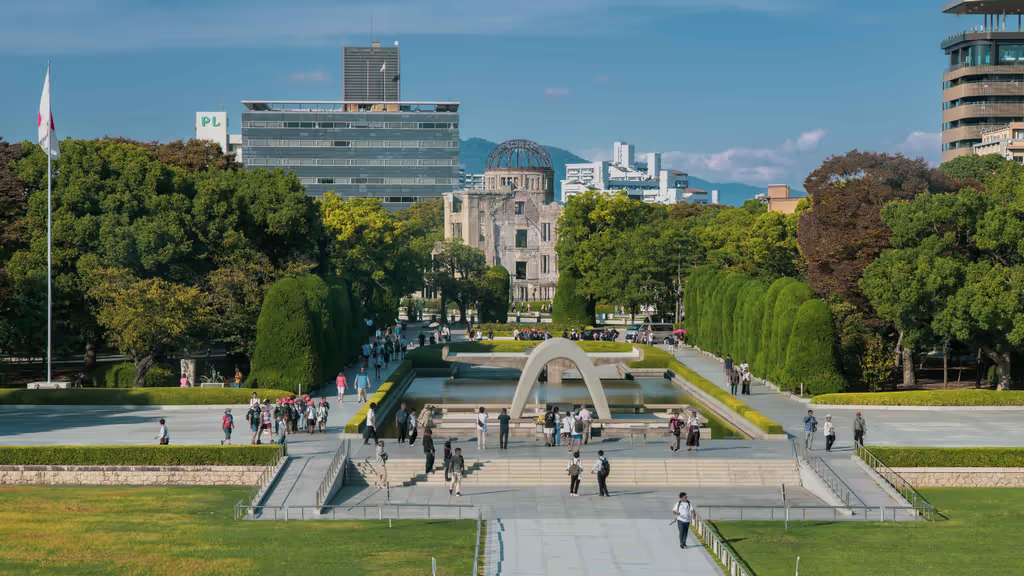
Sprawling across an island at the confluence of Hiroshima's rivers, the Peace Memorial Park offers an open, contemplative environment where history is encountered through striking outdoor monuments. Wide, flat walking paths make it exceptionally easy to navigate with strollers, while grassy riverbanks provide welcome spaces to pause. Transitioning from the bustling city streets into this peaceful sanctuary sets a thoughtful tone for the day.
Before heading toward the indoor galleries, you can anchor your family's outdoor walk around these vital landmarks:
- Cenotaph for the A-bomb Victims: A curved concrete monument framing the Eternal Flame and the Atomic Bomb Dome in the distance.
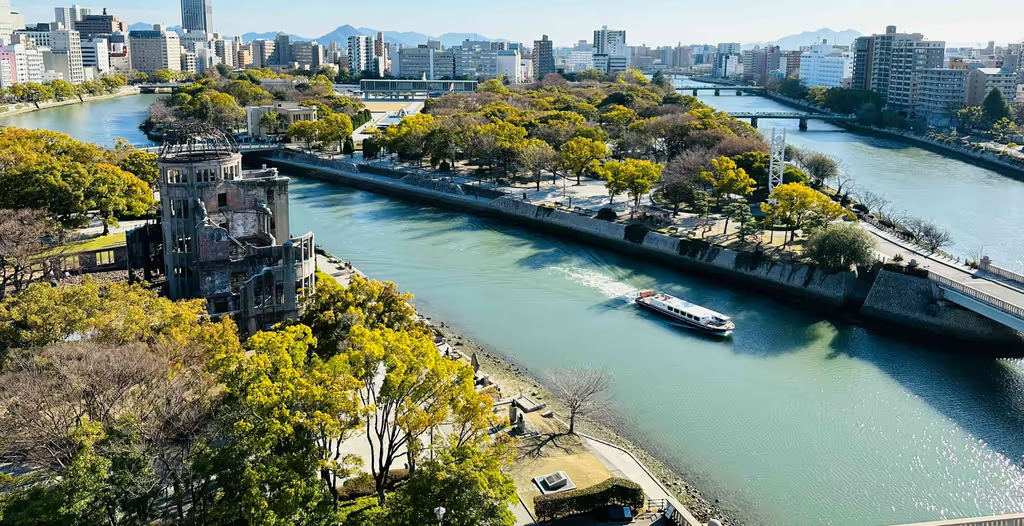
- Atomic Bomb Dome (Genbaku Dome): The skeletal ruins preserved across the river as a powerful visual testament to resilience.
The Children’s Peace Monument
Among the park's many memorials, the Children’s Peace Monument is universally the most resonant stop for families. Inspired by Sadako Sasaki and children who succumbed to radiation illness, the statue is surrounded by glass cases filled with thousands of colorful origami paper cranes sent by schools from around the world. Children can step close to the monument, ring the suspended peace bell, and reflect on a memorial built by and for kids.
Connect with a licensed private guide to coordinate how your family moves from the open lawns of the park into the museum galleries without overwhelming younger children.
Experiencing these open-air memorials provides a meaningful bridge into the more challenging educational decisions awaiting inside the main museum halls.
The Peace Memorial Museum: Age Guide, Admission and Sections
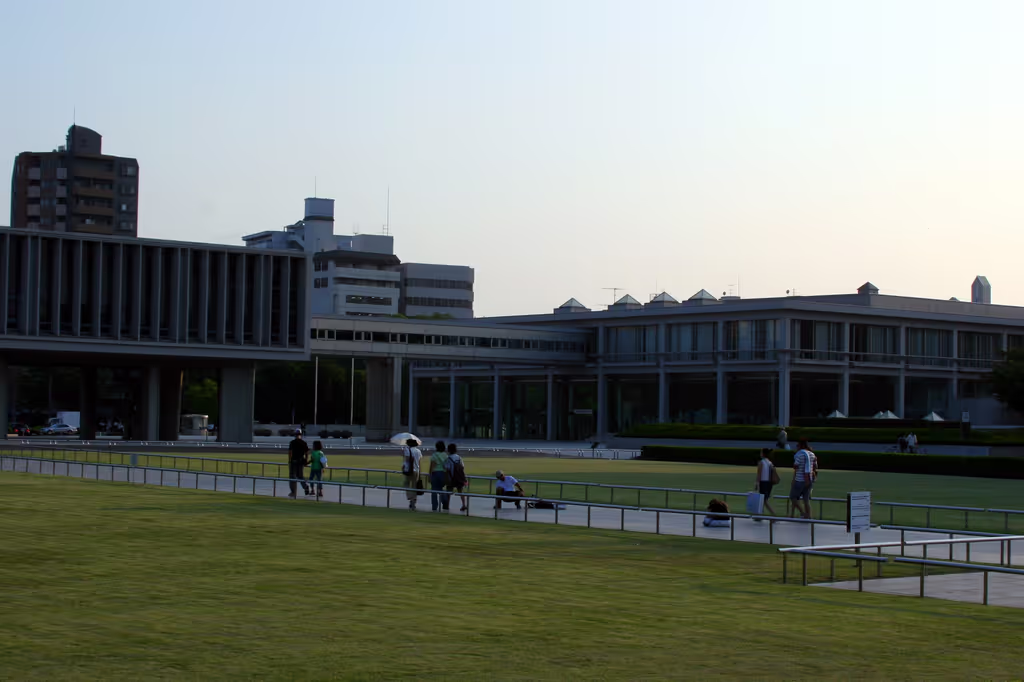
The Hiroshima Peace Memorial Museum stands as the most emotionally charged institution in the region, housing artifact collections and survivor accounts that document the atomic bombing. Because these galleries present raw historical realities, parents must approach admission with intentional preparation and clear boundaries. Knowing how to filter your family's museum route protects sensitive children while still delivering a profound educational experience.
When planning your walkthrough and managing your schedule, keep these practical operational points in mind:
- Admission & Ticketing: Admission is modestly priced, with children in junior high school and below entering free. Always check official ticket tariffs and advance timed-entry options prior to your visit, as exhibit updates occasionally adjust entry protocols.
- Age-Appropriate Pacing: Split the family if necessary. One adult can tour graphic permanent galleries while another explores the East Building or outdoor park spaces with younger siblings.
- Timing Strategy: Avoid scheduling a heavy museum walkthrough right before lunch or late in the afternoon when children's emotional and physical reserves are depleted.
Rather than struggling through scheduling logistics on your own, partnering with a local guide allows you to pre-select appropriate galleries and pace the exhibits to match your children's comfort level.
Concluding your museum visit clears the agenda for an afternoon ferry ride across the water toward Miyajima Island.
Miyajima: Ferry, Deer, Ropeway and Tide Timing
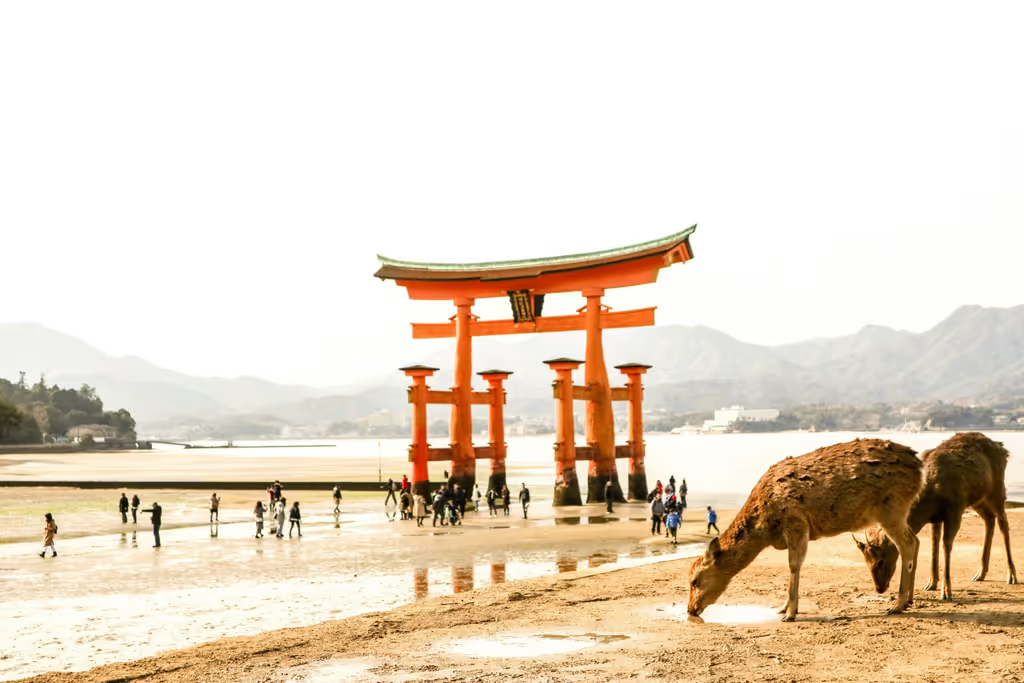
Just a short transit hop from downtown Hiroshima lies Miyajima Island, providing an energetic, nature-filled counterweight to the city's solemn historical core. The island combines seaside shrines, wandering wildlife, and mountain ropeway views into an unforgettable outdoor adventure for kids. Managing the island's unique rhythm requires timing your ferry crossings and tide schedules carefully.
To make the most of your excursion across the Seto Inland Sea, keep these key maritime and island details in mind:
- The Ferry Crossing: JR and Matsudai ferries connect mainland Miyajima-guchi to the island in roughly 10 minutes, offering breezy open-deck views across the water.
- Resident Wildlife: Free-roaming deer greet visitors as soon as they disembark. Remind family members to tuck away paper maps and snacks so curious animals do not snatch them.
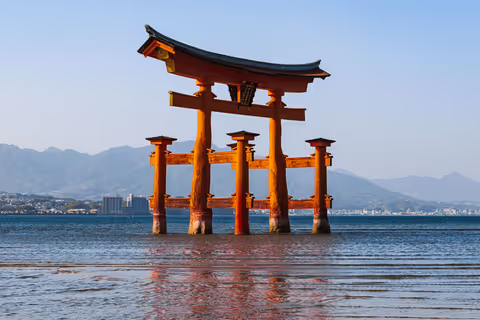
- Itsukushima Shrine & Floating Torii: Checking local tide tables allows your family to walk right up to the base of the vermilion gate when the tide recedes.
- The Miyajima Ropeway: Boarding the ropeway carries families high up Mount Misen, offering sweeping island panoramas and forested walking trails.
Consulting a private host before your ferry departure ensures that your tide timing and ropeway bookings align seamlessly with your family's daily energy. Having these island plans locked in also leaves you well-prepared for any sudden weather shifts that might require an indoor pivot.
Museums and Indoor Family Days
Every family holiday hits moments when children require a complete pivot away from historical sightseeing, or inclement weather demands an indoor retreat. Hiroshima features wonderful, dedicated spaces designed entirely for interactive play, science exploration, and cooling off during humid summer afternoons. Having these backup options ready prevents sightseeing fatigue from derailing your holiday.
When your itinerary needs a lighter, purely recreational afternoon, explore these accessible local alternatives:
- Hiroshima Children’s Culture and Science Museum & Planetarium: A fantastic, budget-friendly indoor facility featuring interactive physics exhibits, a massive 4th-floor planetarium dome, and hands-on play spaces where younger children can burn off energy. Outside the front doors, kids can get up close to a historic, retired steam locomotive on display.
- Numaji Transportation Museum: Located just a short transit ride from the city center, this multi-story indoor museum is dedicated to things that go. Primary-school learners will love the massive, interactive miniature city layout, transport simulators, and hands-on mechanical displays that make for a perfect rainy-day escape.
- Woodegg Okonomiyaki Museum: A highly interactive culinary experience where families can learn the history of Hiroshima's famous soul food. The indoor facility features a replica 1950s street, factory tour insights, and hands-on cooking classes where kids can safely flip and create their own lunch.
Integrating these playful interludes ensures your children remain happy, engaged, and well-rested throughout the journey. Balancing these lighter moments builds a solid foundation for mapping out your broader multi-day sightseeing schedule.
One Day or Two: Sample Plans
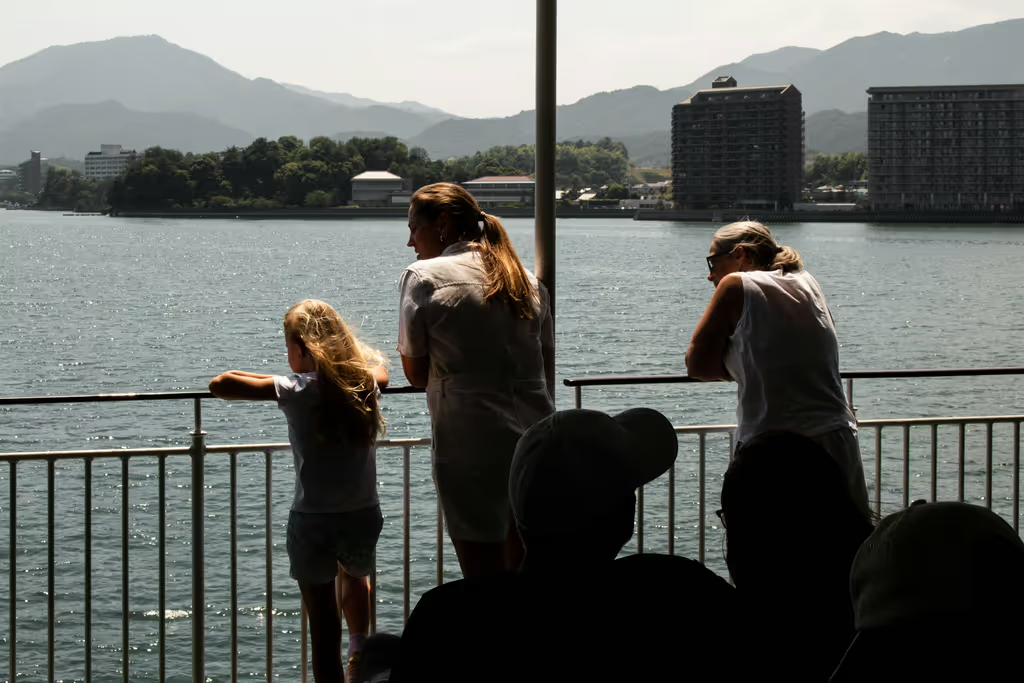
Deciding how many days to dedicate to Hiroshima shapes the entire pacing of your journey through western Japan. Attempting to compress both the city's museums and Miyajima Island into a single afternoon often leaves families exhausted and rushed. Building a dependable daily timeline helps you visualize each transition before you step onto the train platform.
Depending on whether you are day-tripping from Osaka or staying overnight, structure your schedule around these tested itineraries:
- The 1-Day Highlights Plan: Arrive via Shinkansen in the morning, tour the Peace Park and selected museum sections, enjoy local okonomiyaki for lunch, and spend the afternoon exploring Miyajima Island before evening departure.
- The 2-Day Relaxed Pace: Arrive by midday on Day 1 to settle into your hotel, explore the Peace Park at an unhurried pace, and dine quietly. Dedicate all of Day 2 to Miyajima Island, Itsukushima Shrine, and the ropeway.
Maintaining this balanced cadence prevents mid-afternoon meltdowns and keeps the travel experience enjoyable for every generation. Message a private guide to map out your multi-day itinerary and lock in your hotel and train connections before peak seasons fill up.
Once your daily schedule is established, the next priority is mastering the city's transit network.
Getting Around Hiroshima with Children
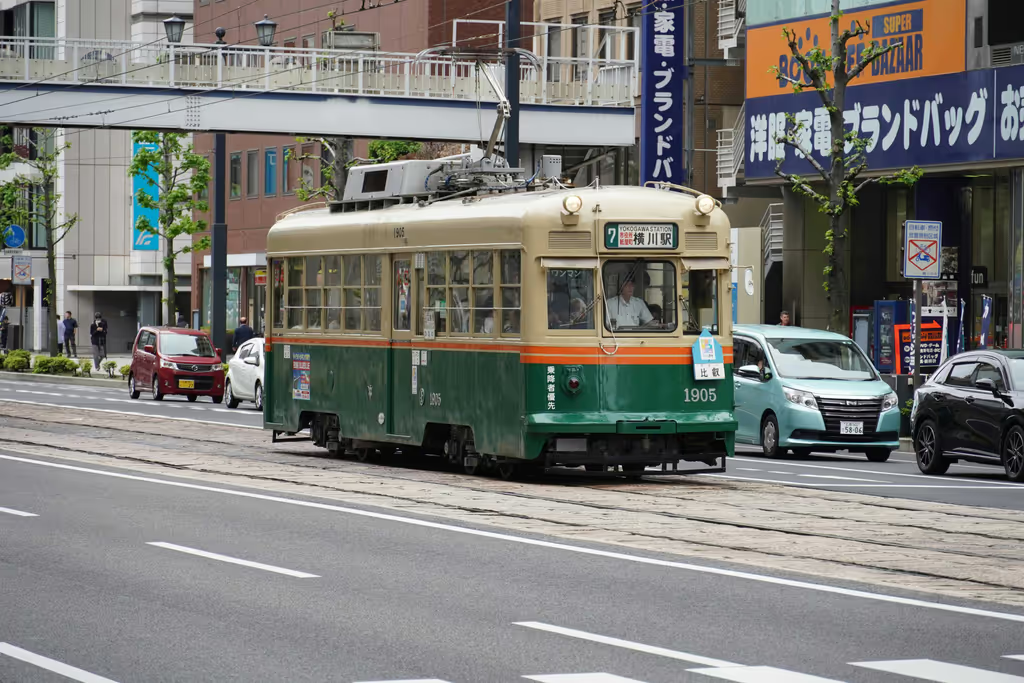
Navigating Hiroshima's flat urban grid is refreshingly straightforward compared to the steep hills and staircases found in other historic Japanese regions. The city relies on an integrated network of vintage streetcars, modern buses, and local rail lines that connect major attractions with minimal fuss. Understanding fare payment rules and equipment logistics prevents frustrating bottlenecks at station gates.
To keep your transit transfers running smoothly across the city, keep these practical guidelines in mind:
- Hiroshima Dentetsu (Trams): Vintage streetcars connect the main station directly to the Peace Park. While fun for kids, older tram models may require folding strollers and stepping up narrow boarding stairs.
- Payment Methods: While modern transit IC cards (Suica, Pasmo, ICOCA) work smoothly across major rail and tram lines, certain regional buses still operate on cash fares. Always carry local Japanese yen coins.
- Strollers vs. Carriers: A lightweight folding stroller works well across flat park asphalt, but a soft baby carrier remains essential for boarding crowded ferries or older trams.
Mastering these logistical details ahead of time turns local transit into a seamless part of your daily adventure. Book a private car tour to eliminate the stress of navigating tram stairs, crowded ferries, and luggage transfers with tired children.
Securing door-to-door vehicle support naturally prepares parents to handle broader emotional or environmental friction points before stepping into the day's unpredictable conditions.
Dominant Worries on the Day
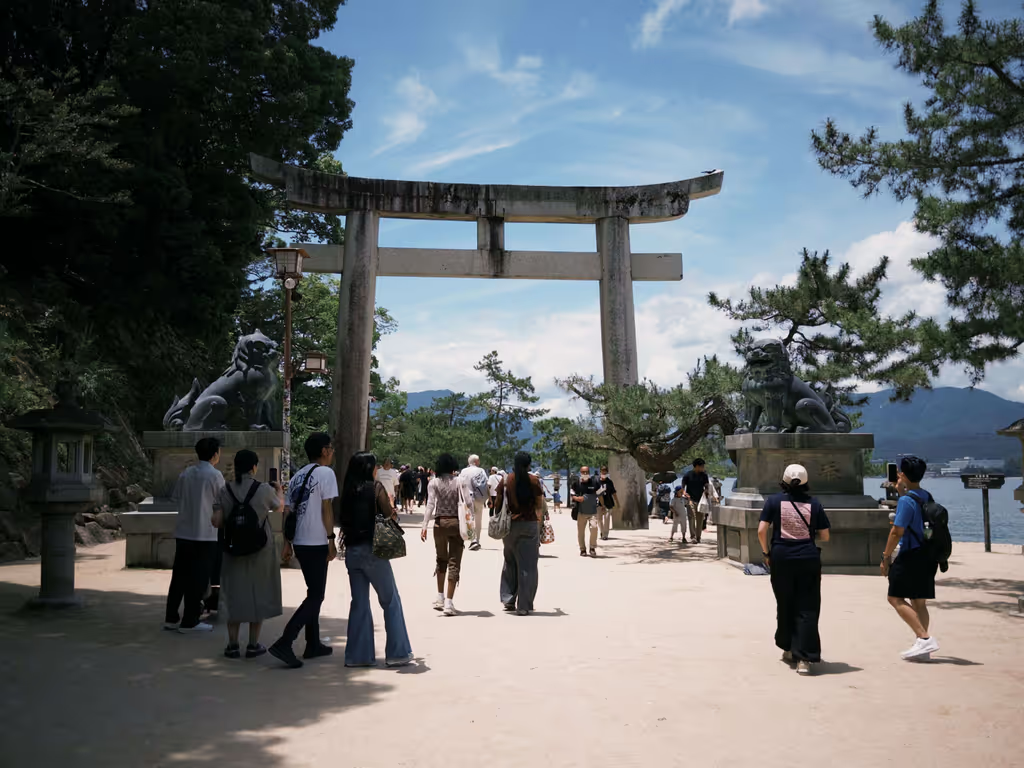
Every parent planning a visit to Hiroshima carries specific underlying anxieties regarding emotional intensity, summer heat, and logistical snags. Anticipating these predictable friction points lets you adjust your plans before minor inconveniences turn into full family meltdowns. Addressing these worries proactively instills the confidence needed for a smooth excursion.
Keep these practical solutions in mind as you move through your sightseeing day:
- Summer Heat and Humidity: Hiroshima’s August climate can be intense. Schedule outdoor memorial walks for early morning and utilize indoor science museums during peak afternoon heat.
- Museum Emotional Intensity: Prepare children beforehand with age-appropriate literature rather than springing graphic exhibits on them without context. Agree that stepping outside for fresh air is always an option.
- Wildlife Encounters: Remind children not to feed the Miyajima deer human snacks or leave paper brochures dangling from pockets where curious animals can snatch them.
- Transit Crowds: Boarding peak commuter trams or midday island ferries involves lines. Arriving slightly ahead of rush hours keeps queues manageable.
Anticipating these friction points ensures your household stays comfortable, calm, and prepared for sudden weather or mood changes. Reserve a private family tour with a local expert who can instantly reroute your day when rain or heat calls for an indoor pivot.
Evaluating these challenges provides a clear perspective when deciding whether professional guiding support benefits your group.
Private Guide or Self-Planned: Which Suits Your Day
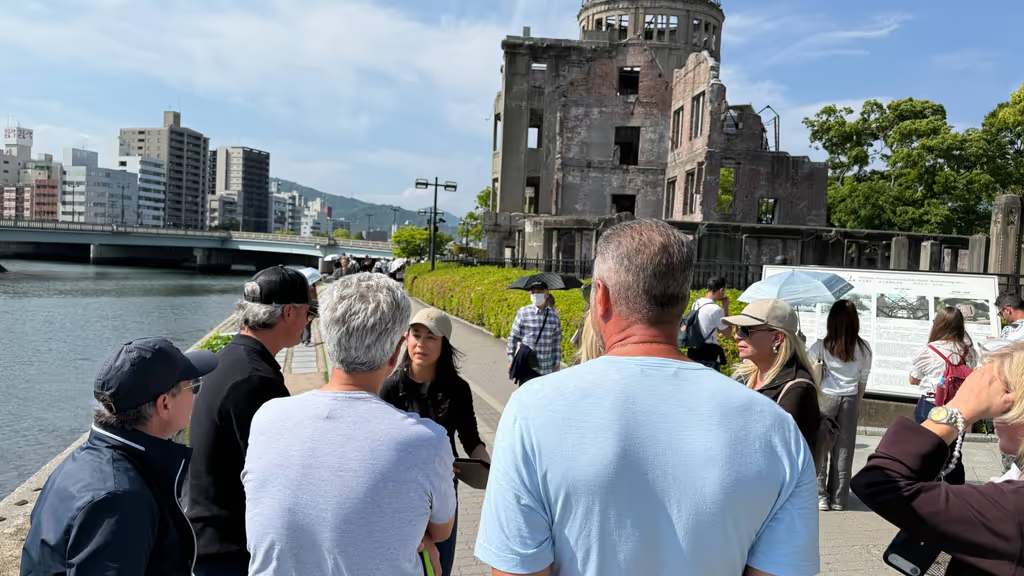
Managing a complex multi-generational itinerary that bridges heavy historical education, ferry timetables, and toddler nap schedules is no small undertaking. While independent travel offers complete spontaneous freedom, enlisting professional local support can completely change your family's daily experience. Evaluating your household's tolerance for logistical stress clarifies whether independent planning or expert assistance serves you best.
Securing a licensed guide transforms potential transit friction into effortless navigation, allowing you to focus entirely on your children's reactions rather than train schedules.
Selecting the ideal format depends on the following:
- Independent DIY: Ideal for families who enjoy mastering tram timetables and adapting schedules spontaneously on the fly.
- Privately Guided: Best for households wanting seamless door-to-door coordination, expert museum pacing, and customized historical storytelling.
Comparing these operational differences clarifies whether managing the route independently or securing professional support fits your travel style. When vetting prospective tour guides, ensure they confirm JNTO-licensed credentials, flexible age-appropriate pacing, child-friendly historical communication, and full ferry and transit coordination.
Reviewing these family-focused standards helps you select a tour partner that fits your household's exact rhythm, as shown in our curated selection of top-rated local experiences below.
Full-Day Hiroshima & Miyajima World Heritage Sites Tour by Miyu
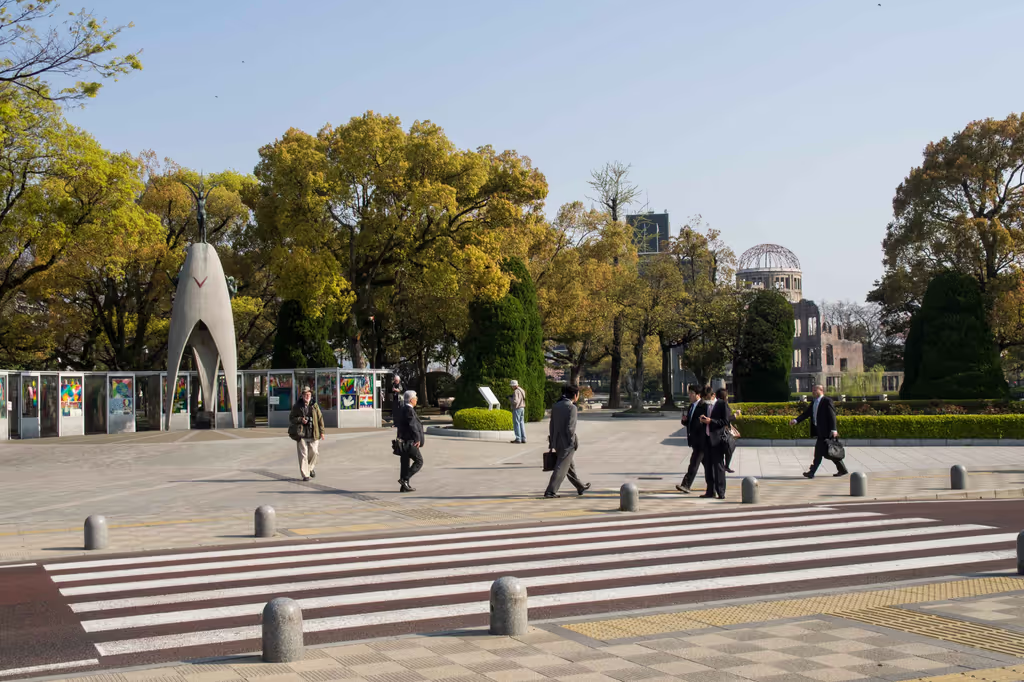
For families wanting a single, seamless day covering both iconic UNESCO sites, this route combines central peace monuments with Miyajima’s seaside shrines. Guided by Miyu F., a nationally licensed guide with 12 years of experience supporting atomic bomb survivors, the day blends deep, compassionate historical insights with expert handling of streetcars and ferries.
- Duration & Format: 7.5 Hours | Private tour for up to 10 guests.
- Pricing: $405 per 2 adults.
- Best Suited For: Families seeking a comprehensive, expert-led day across the Peace Park, museum, and Miyajima Island.
- Key Stops: Peace Memorial Museum, Atomic Bomb Dome, Peace Memorial Park, Itsukushima Shrine & Floating Torii Gate, Daisho-in Temple, Hokoku Shrine, and Miyajima Shopping Street.
If a full-day excursion across the bay feels too demanding for younger travelers, scaling back to a half-day focus keeps the pace manageable without sacrificing key city highlights.
4.5-Hour Hiroshima City Tour Highlights by Keiko
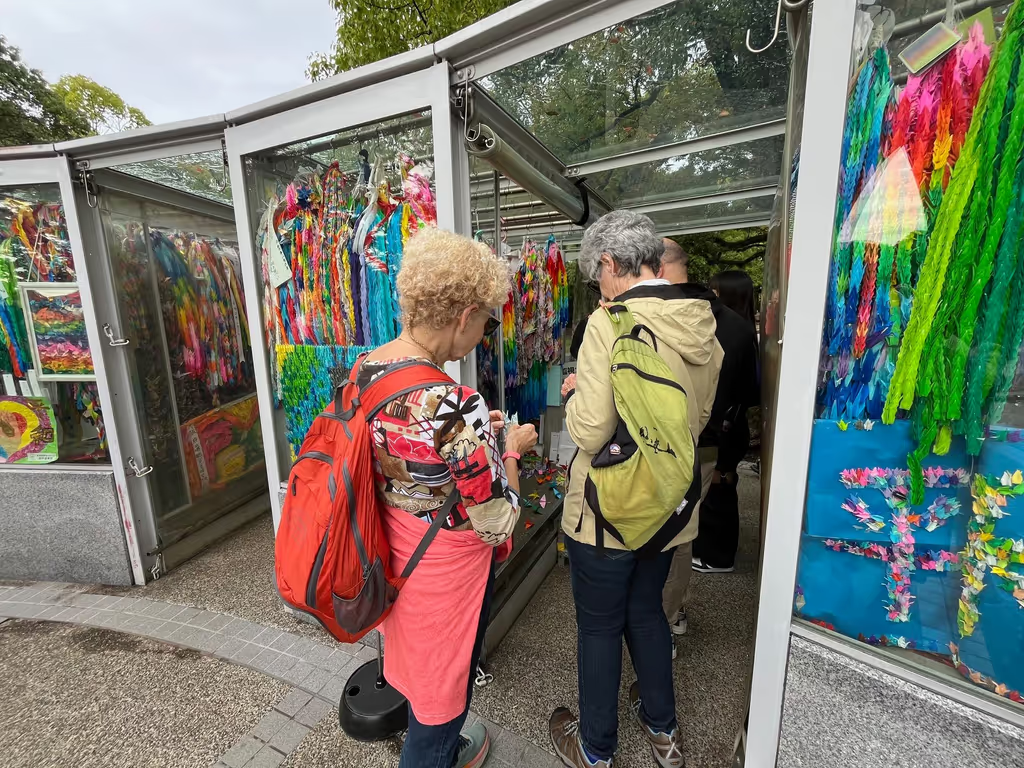
Focusing on the central city offers a relaxed, half-day alternative to island transit. Led by Keiko K. (Kay), a nationally licensed guide with 16 years of international experience, this walking route balances solemn park history with the miniature landscapes of Shukkeien Garden and Hiroshima Castle.
- Duration & Format: 4.5 Hours | Private tour for up to 6 guests.
- Pricing: $253 per 2 adults.
- Best Suited For: Families looking for a balanced city overview that combines history, castle grounds, and scenic gardens without rushing.
- Key Stops: Shukkeien Garden, Hiroshima "Carp" Castle, Peace Memorial Park, Atomic Bomb Dome, and Peace Memorial Museum.
While this general overview covers the city's key landmarks, families seeking a deeper personal connection to the historical recovery of Hiroshima may prefer a guide with direct family ties to its history.
Half-Day Hiroshima City Highlight Tour from Tragedy to Hope by Emiko
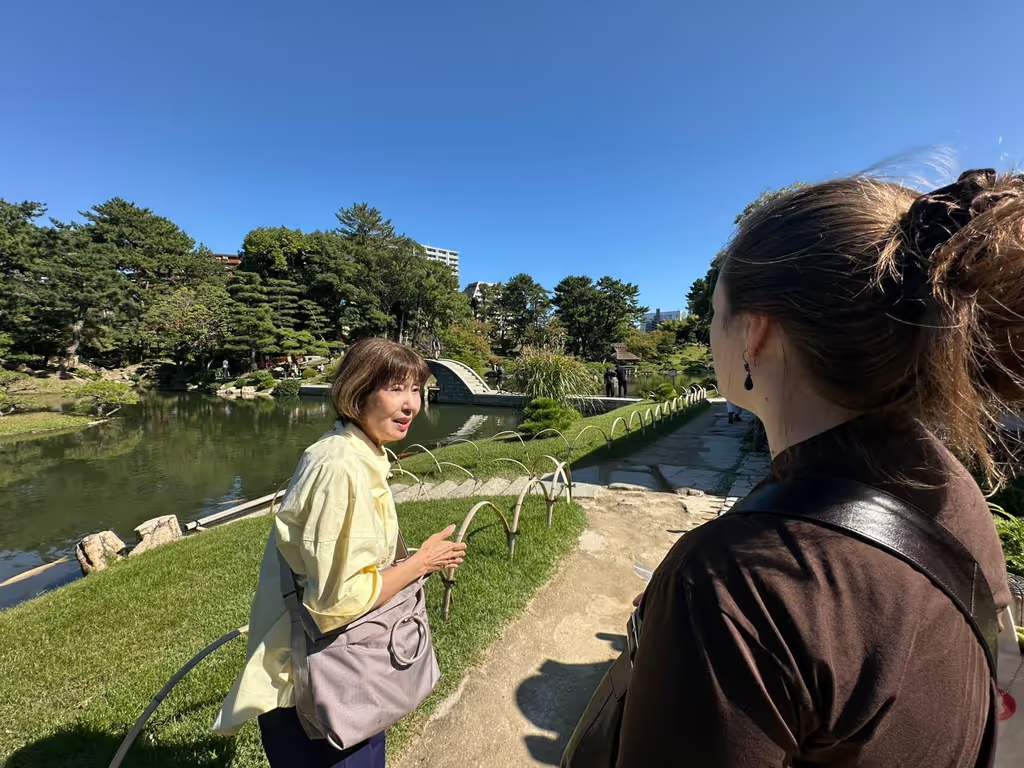
Centering specifically on human stories of peace, resilience, and recovery, this four-hour city walk provides an authentic, educational perspective tailored for school-age children. Guide Emiko M., a prefectural licensed guide and second-generation atomic bomb survivor, shares personal family insights while navigating park monuments and the quiet paths of Shukkeien Garden.
- Duration & Format: 4 Hours | Private tour for up to 7 guests.
- Pricing: $222 per 2 adults.
- Best Suited For: Families seeking an intimate, human-centered account of Hiroshima’s history delivered with deep personal context.
- Key Stops: Atomic Bomb Dome, Peace Memorial Park (including Student Mobilization Tower, Children’s Peace Monument, and Cenotaph), Peace Memorial Museum, and Shukkeien Garden.
For parents traveling with younger children who need active, tactile engagement alongside historical context, adding a hands-on cultural element offers a welcome change of pace.
4-Hour Hiroshima City Tour Highlights by Kate
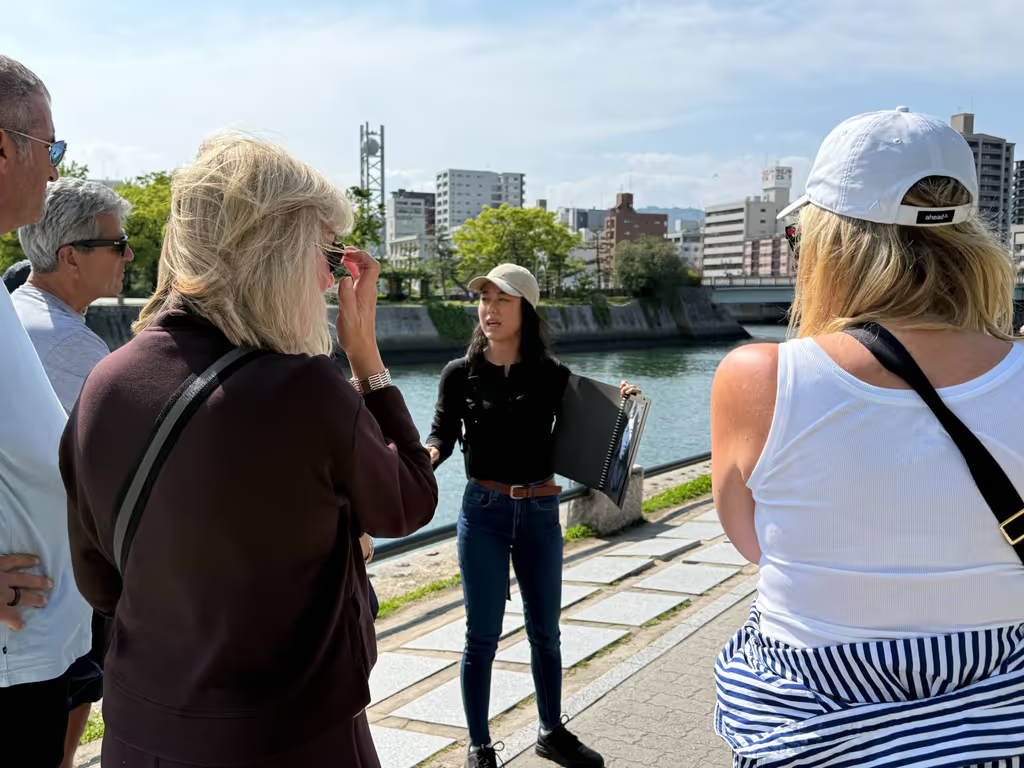
Adding hands-on elements keeps younger children engaged during historical sightseeing. Led by Kate M., a bilingual local guide raised in Japan and Australia, this 4-hour route pairs Peace Park stops with sweeping elevated views from Orizuru Tower, where kids can fold paper cranes to place in the glass wall, before ending with an interactive okonomiyaki lunch.
- Duration & Format: 4 Hours | Private tour for up to 6 guests.
- Pricing: $285 per 2 adults.
- Best Suited For: Families wanting an engaging mix of elevated views, hands-on paper folding, history, and local food culture.
- Key Stops: Orizuru Tower (Hiroshima Hills deck), Atomic Bomb Dome, Peace Memorial Park & Museum, and Okonomimura (Okonomiyaki Village).
Reach out to Kate M. to lock in this interactive paper-crane and Hiroshima City Tour experience.
Beyond central historical sights, heading down the coast introduces a vibrant mix of coastal scenery and modern art.
Hiroshima Cultural Excursion: Miyajima & Shimose Art Museum (6.5 Hours) by Kazumi
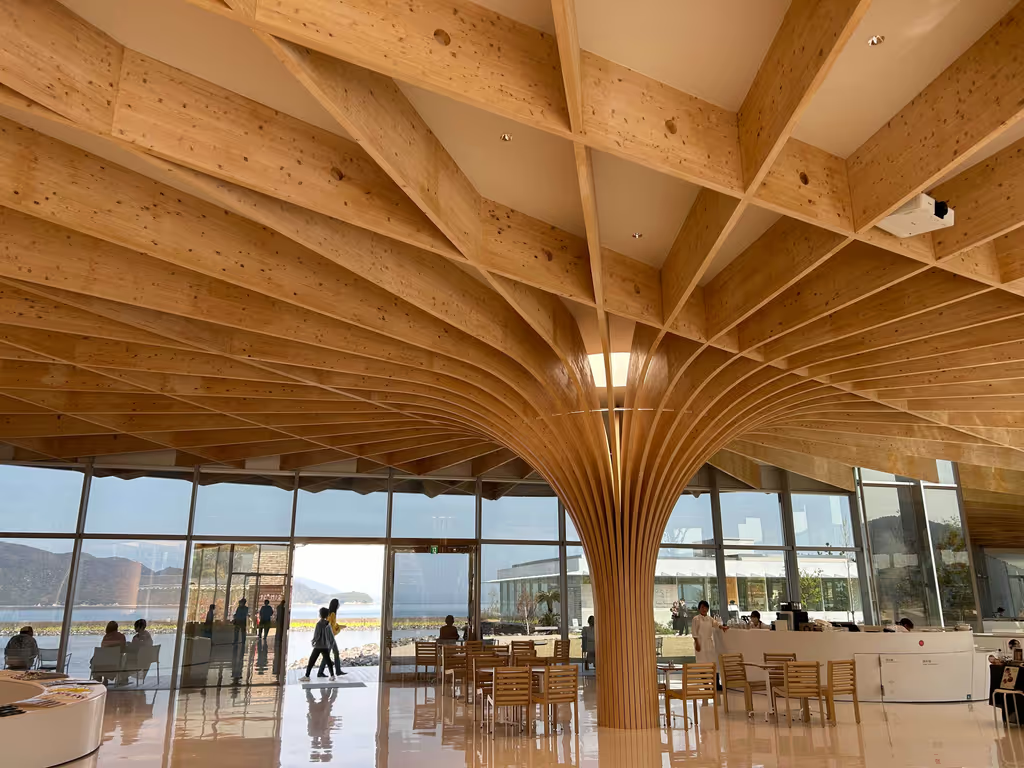
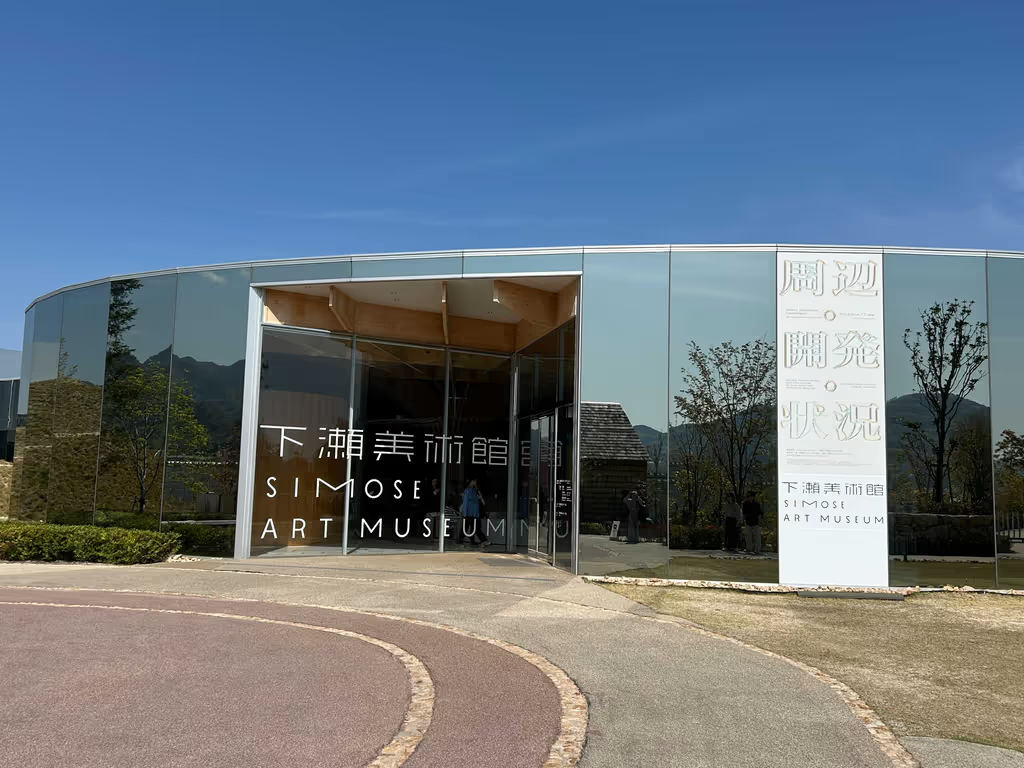
For families who prefer an artistic or nature-focused journey outside the traditional historical circuit, this coastal excursion explores Miyajima’s sacred grounds before traveling to Otake City. Guided by Kazumi M., a local native with over 15 years of experience, the afternoon features the UNESCO-recognized Shimose Art Museum, designed by architect Shigeru Ban with floating, colorful galleries overlooking the Seto Inland Sea.
- Duration & Format: 6.5 Hours | Private tour for up to 7 guests.
- Pricing: $152 per 2 adults.
- Best Suited For: Families looking for an artistic, coastal alternative that pairs island heritage with modern architecture.
- Key Stops: Miyajima Island (Itsukushima Shrine and Great Torii Gate), local okonomiyaki lunch stop, and Shimose Art Museum.
Whether you choose a coastal art excursion, an interactive paper-crane walk, or an all-day World Heritage journey, settling on the right tour option sets the stage for a smooth, well-balanced family trip.
Planning Your Hiroshima Family Adventure
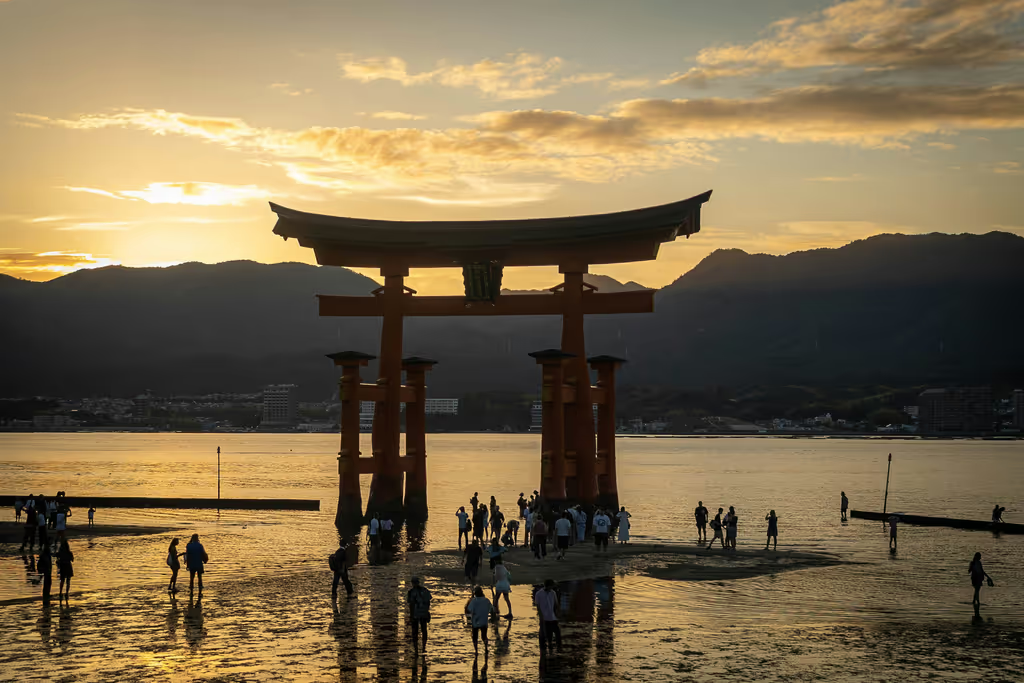
Visiting Hiroshima with kids is all about finding a comfortable rhythm between meaningful discovery, outdoor play, and well-earned breaks. By balancing reflective morning walks in the Peace Memorial Park with afternoon ferry rides, deer encounters, and interactive science exhibits, your family gets to experience a vibrant, modern city that warmly welcomes travelers of all ages.
When planning the ideal trip for your family, four decisions do most of the work:
- Filter the History: Decide early if the museum belongs in your plan based on your kids' ages, and always schedule a quiet rest window right after any heavy sightseeing.
- Match Your Pacing: Choose between a focused one-day highlights route or an unhurried two-day stay if you want to give Miyajima Island equal time.
- Confirm Logistics Early: Double-check museum gallery updates, opening hours, and tide charts close to your travel dates, and keep local cash handy for regional transit.
- Engage the Senses: Balance reflective walks with interactive moments, from folding origami cranes at Orizuru Tower to feeding the island deer and enjoying a hot okonomiyaki lunch.
Hiroshima works for families who arrive ready to listen, pause, and explore at their own pace. The city does not ask children to process its heavy history alone; the Peace Park provides open, calming spaces, the Children's Monument invites hands-on participation, and Miyajima Island supplies the vibrant, seaside energy that keeps the whole journey feeling balanced.
Partnering with a local expert takes the guesswork out of transit logistics and age-appropriate storytelling, letting you focus entirely on sharing special moments together. Connect with a licensed private guide today to customize a well-paced Hiroshima itinerary for your family.
As the late afternoon sun glints off the river and a gentle breeze carries the faint ring of a distant streetcar bell across the park, Hiroshima reveals itself not just as a landmark of history, but as a warm, living setting for your family's next great memory.
Frequently Asked Questions
Is Hiroshima suitable for young children?
Yes, provided you separate the outdoor monuments from the main museum interior. The sprawling Peace Park, the Children's Peace Monument, and Miyajima Island offer engaging, open-air experiences that children naturally enjoy.
What age is appropriate for the Hiroshima Peace Memorial Museum?
Most families find the permanent exhibits best suited for older children, pre-teens, and teenagers (ages 10 and above) who can process historical context. For younger children, visiting the outdoor park monuments or splitting the family works best.
How many days should families spend in Hiroshima?
A single well-planned day is enough to cover the Peace Park, museum highlights, and a quick afternoon trip to Miyajima Island. However, staying for two nights transforms a rushed sightseeing sprint into a relaxed, unhurried exploration.
Can you visit Miyajima Island and the Hiroshima Peace Museum in the same day?
Yes, many families combine both in a single day, particularly when visiting as a day trip from Osaka or Kyoto. However, doing so requires an early morning start and a disciplined schedule to avoid rushing children through either location.
Should I hire a private guide for Hiroshima?
A private guide is especially valuable for families with children because they expertly pace museum visits, manage ferry and tram logistics, track tide schedules for Miyajima, and translate difficult history into age-appropriate explanations.